
Three practical moves that let digital assets live inside your wealth plan without turning April into a fire drill.
The hardware wallet rule I use for long-term holdings
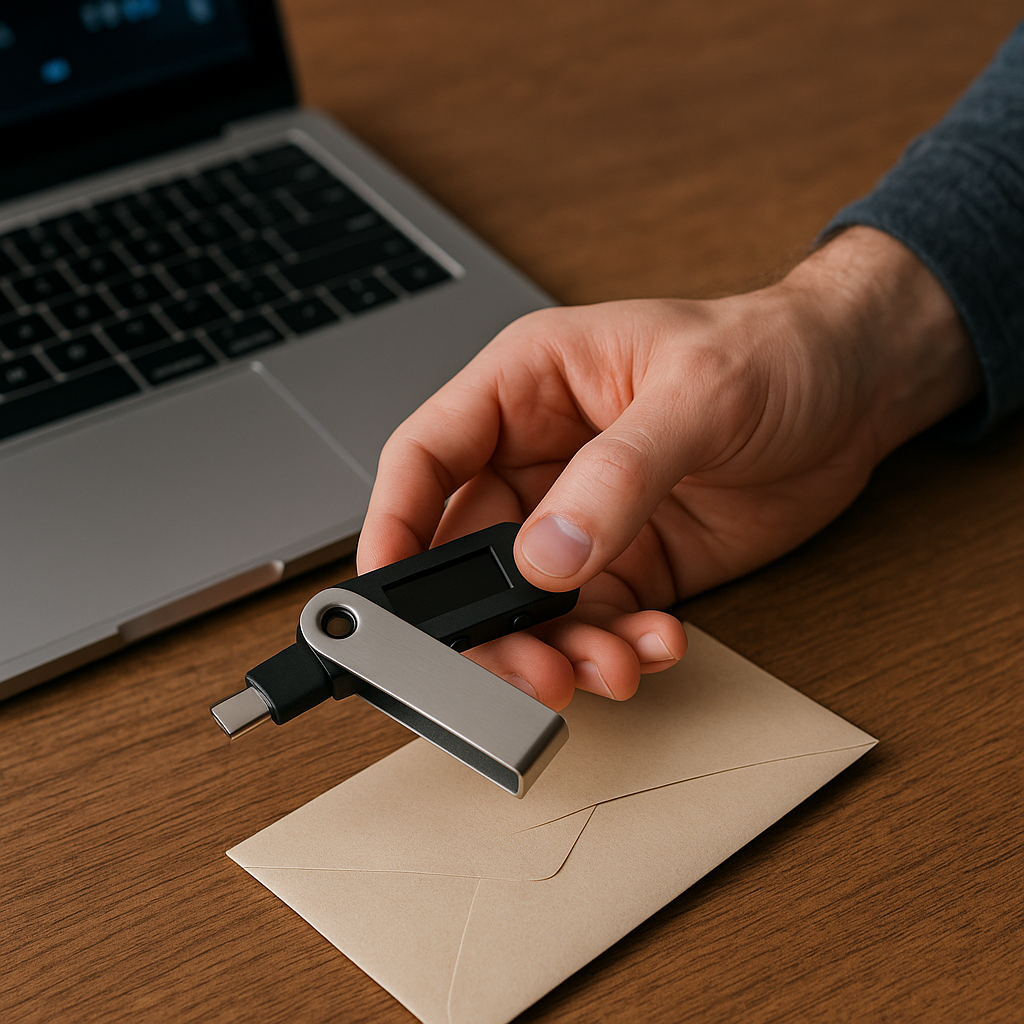
I treat a hardware wallet like a safe deposit box that happens to speak USB. For assets I intend to hold long term, I prefer self-custody rather than leaving everything on an exchange. A hardware wallet keeps the private keys offline, although it also puts responsibility for backups and recovery squarely on the owner.
In practice, that means buying a known device (Ledger and Trezor are the usual names), setting it up carefully in a private place where nobody can see or record the recovery phrase, and making two clearly legible offline copies of the recovery phrase. One copy lives in my home safe in a sealed envelope. The other goes somewhere physically separate. Not a screenshot. Not a note in iCloud. Not a photo saved temporarily with plans to delete it later. A digitally stored recovery phrase can be exposed through cloud backups, compromised devices, or account breaches, which is why hardware wallet makers advise keeping it offline.
Then I label the wallet in my own records the way I'd label a brokerage account: purpose and time horizon. Something like: "Cold storage - core" versus "Trading - small". That label matters later when you rebalance. It's too easy to treat digital holdings like a separate video game inventory, while the rest of your financial life is run with boring consistency. The only reason this belongs in a modern plan is that it can be made boring. A hardware wallet, securely stored recovery backups, and clear records can help your future self, spouse, or executor identify what exists without having to guess.
Tax lots: the spreadsheet that keeps you sane

When people say, "I'll sort it out at tax time," what they usually mean is, "I'll try to reconstruct a year of trades from half-broken export files while my accountant quietly raises their eyebrows." If you're integrating digital assets into a bigger strategy, the unglamorous part is tax-lot hygiene. Not because you need to become a CPA, but because you need to be able to answer three questions fast: what did I buy, when did I buy it, and what exactly did I sell?
Here's what I track in a plain spreadsheet the same day I move anything meaningful: date and time, asset, quantity, USD value at the moment of the transaction, fees, platform (Coinbase, Kraken, a DEX swap, whatever), and the transaction ID or hash. I also add a purpose column: rebalance, raise cash, move to cold storage, pay for something, test transfer. That last column sounds fussy until you're scanning the sheet six months later and trying to remember why 0.18 went out to an address you don't recognize. It's not about proving anything with a clever trick. It's about having coherent records when you need them.
On the selling side, I record which lots I'm using. For U.S. taxpayers, the IRS generally applies an earliest-acquired-first rule within the relevant wallet or account when adequate specific identification is not made. Since 2025, digital-asset basis tracking also operates on a wallet-by-wallet or account-by-account basis under the IRS rules. If I use specific identification, I document the selected units no later than the date and time of the sale and keep the acquisition date and cost basis with the transaction record. The tax result can vary substantially depending on the lots identified. Consumer crypto-tax tools such as CoinTracker or Koinly can help consolidate transaction data. However, I still keep my own sheet because imports can misclassify fees, lose basis information during transfers, or create duplicate entries, so I review the data rather than assuming every import is correct. The spreadsheet is my source of truth, the software is my calculator.
The outcome is boring in the best way: when you rebalance, you know what you're doing to your tax picture before you click confirm. And when your wealth plan says to reduce concentration, you can do it cleanly instead of hoping a CSV export will tell the story for you.
Inheritance planning for wallets (do this before you need it)
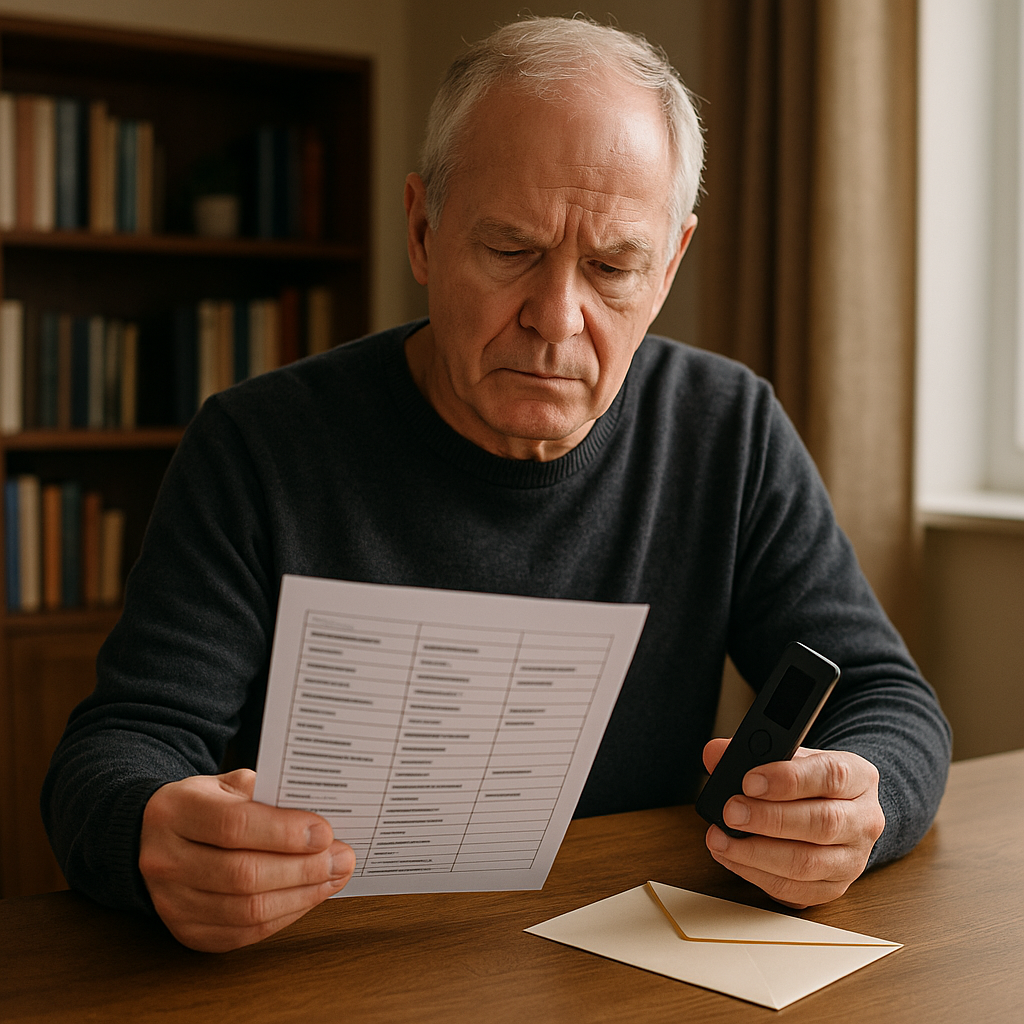
I know this is the part everyone wants to skip because it feels morbid. But if you're folding digital assets into the same plan that covers brokerages, property, and insurance, you can't leave them as a scavenger hunt. The hard truth is that most secure setups are secure because nobody else can get in, including the people who should be able to get in when you're not here or you're incapacitated.
What works for me is a two-layer approach: an inventory document and an access method that doesn't rely on memory. The inventory is a one-page list that lives with my estate docs. No private keys in it. It simply says what exists and where: which exchanges have accounts, which wallets I use (and where the devices are stored), what email address is tied to what, and where the recovery phrase copies are located. I include the names of any authenticator apps or hardware security keys used for login, because an executor may also need to know what authentication methods protect an account and what formal recovery process the provider requires.
For the recovery phrase itself, I keep it offline and legible. Tiny or rushed handwriting can make a recovery phrase difficult to read later, so I write each word clearly and verify the backup before storing it. That sounds ridiculous until it's your money. If you want a multi-location backup, use a properly designed recovery method rather than manually dividing a standard seed phrase. Some wallets support cryptographic multi-share backups that require a defined number of shares for recovery. Don't get cute with a complex scheme you won't maintain. A simple system you can maintain is safer than a clever one you eventually abandon.
Last piece: tell one trusted person that the inventory exists and where it lives. Not the seed phrase, not the PIN, just the fact that there is a map. That gives an executor or trusted family member a starting point without putting the recovery phrase itself in the estate inventory or relying on screenshots and half-remembered passwords.