10 Companies That Went Downhill After Being Acquired
When one company buys another, the headlines usually sound optimistic. Leaders promise growth, bigger budgets, and better products. On paper, it makes sense. But takeovers can also disrupt the very things that made a brand work. New leadership, shifting priorities, and culture clashes often affect employees and longtime customers first. Sometimes the damage is immediate. Other times, relevance fades slowly. These examples show how complicated corporate marriages can become.
Instagram

Credit: Wikimedia Commons
Facebook bought Instagram in 2012 for $1 billion, one of the most talked-about tech deals of that era. Not long after, updates to the app’s Terms of Service sparked backlash over how user content might be used. Twitter also cut integration, limiting cross-platform sharing. For many early users, those shifts changed how the once-independent photo app felt.
Nokia
Credit: Wikimedia Commons
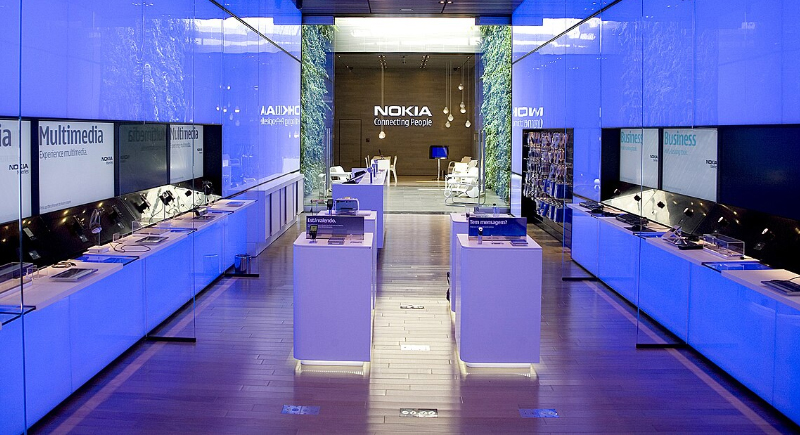
Nokia once dominated global handset sales and shaped early mobile design. Microsoft acquired its phone division in 2014 for $7.2 billion with hopes of strengthening Windows Phone. The strategy never gained traction against Android and iOS. Large layoffs followed, along with multibillion-dollar write-downs. By 2016, Microsoft had written off nearly the entire purchase and sold remaining assets to HMD Global.
AOL
Credit: Wikimedia Commons
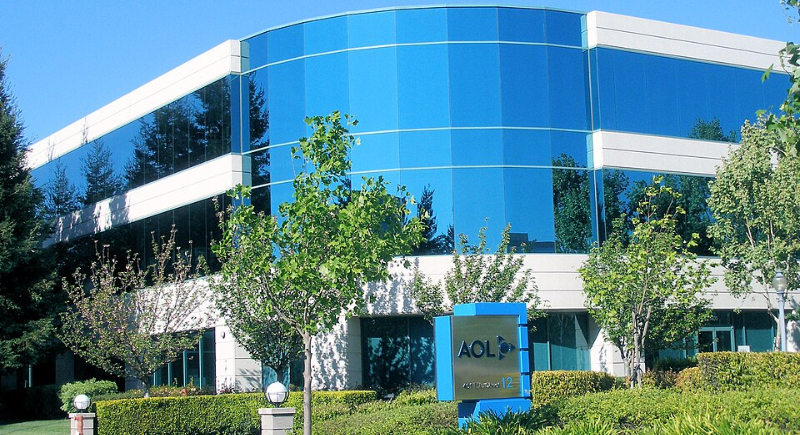
The $182 billion merger between AOL and Time Warner in 2000 created AOL Time Warner, a deal later cited as one of the worst in corporate history. Cultural conflict between traditional media and internet operations slowed progress. As broadband replaced dial-up service, AOL’s valuation declined sharply, and culminated in its 2009 spin-off.
MySpace
Credit: iStockphoto
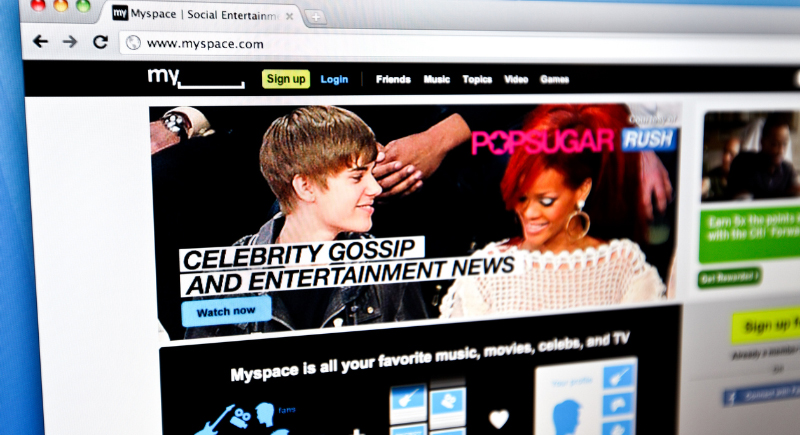
News Corporation paid $580 million for MySpace in 2005, acquiring what was then the dominant social networking site. Customizable profiles and music integration had fueled its rise. Under new ownership, innovation lagged as Facebook expanded. By 2011, MySpace sold for a fraction of its original acquisition price.
Yahoo
Credit: Wikimedia Commons
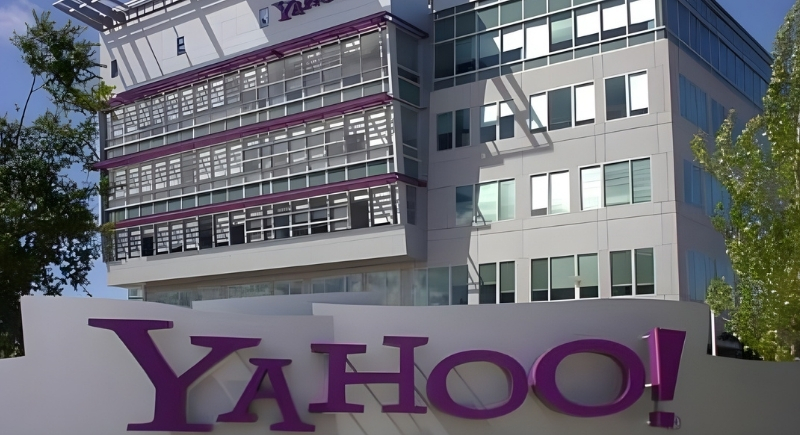
Verizon acquired Yahoo’s core internet operations in 2017 for $4.48 billion and folded them into a division first called Oath. Layoffs reshaped the workforce, and brand direction shifted more than once. Market relevance continued to erode. In 2021, Verizon sold Yahoo’s media assets to Apollo Global Management for $5 billion.
Tumblr

Credit: iStockphoto
Yahoo purchased Tumblr in 2013 for $1.1 billion to capture younger audiences and boost digital advertising. The platform struggled to balance monetization with its creative community. A sweeping adult content ban in 2018 drove many users away. After Verizon’s acquisition of Yahoo, Tumblr changed hands again and sold to Automattic in 2019 for about $3 million.
Skype

Credit: Wikimedia Commons
Microsoft’s 2011 acquisition of Skype cost $8.5 billion and aimed to anchor its communication services. Over the years, frequent interface redesigns frustrated longtime users. Integration with other Microsoft products shifted its focus toward enterprise settings. Consumer loyalty thinned as WhatsApp and Zoom gained ground.
Flickr

Credit: Wikimedia Commons
Yahoo’s 2005 purchase of Flickr, valued at roughly $25–35 million, brought a popular photo-sharing service into its portfolio. Growth slowed as Yahoo emphasized advertising revenue. Competitors, including Instagram and TikTok, expanded rapidly. By the time SmugMug acquired Flickr in 2018, active users had fallen far below earlier peaks.
Hotmail
Credit: Business Insider
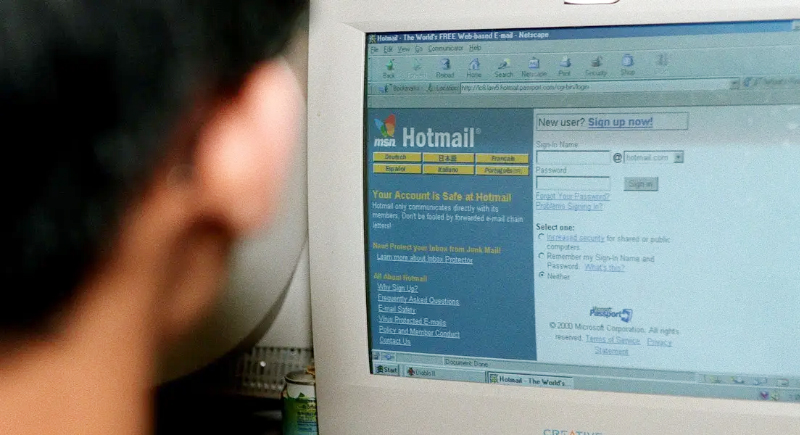
Microsoft acquired Hotmail in 1997 for $400 million during the early days of web-based email. It became a gateway product for millions of first-time internet users. Over time, users reported security concerns and periodic outages. Gmail’s launch introduced larger storage limits and a cleaner interface. Hotmail lost its edge and was later folded into Outlook.com.
Ben & Jerry’s

Credit: Wikimedia Commons
Unilever purchased Ben & Jerry’s in 2000 for $326 million. Following the acquisition, jobs and production facilities were reduced, veteran employees were replaced with Unilever personnel, and corporate performance systems were introduced. The operational shift altered the company’s internal structure and management approach.