
Three neighborhood projects that quietly change your rebuild cost, liability, and coverage gaps before you see them on a bill.
The rezoning letter that changes your rebuild math
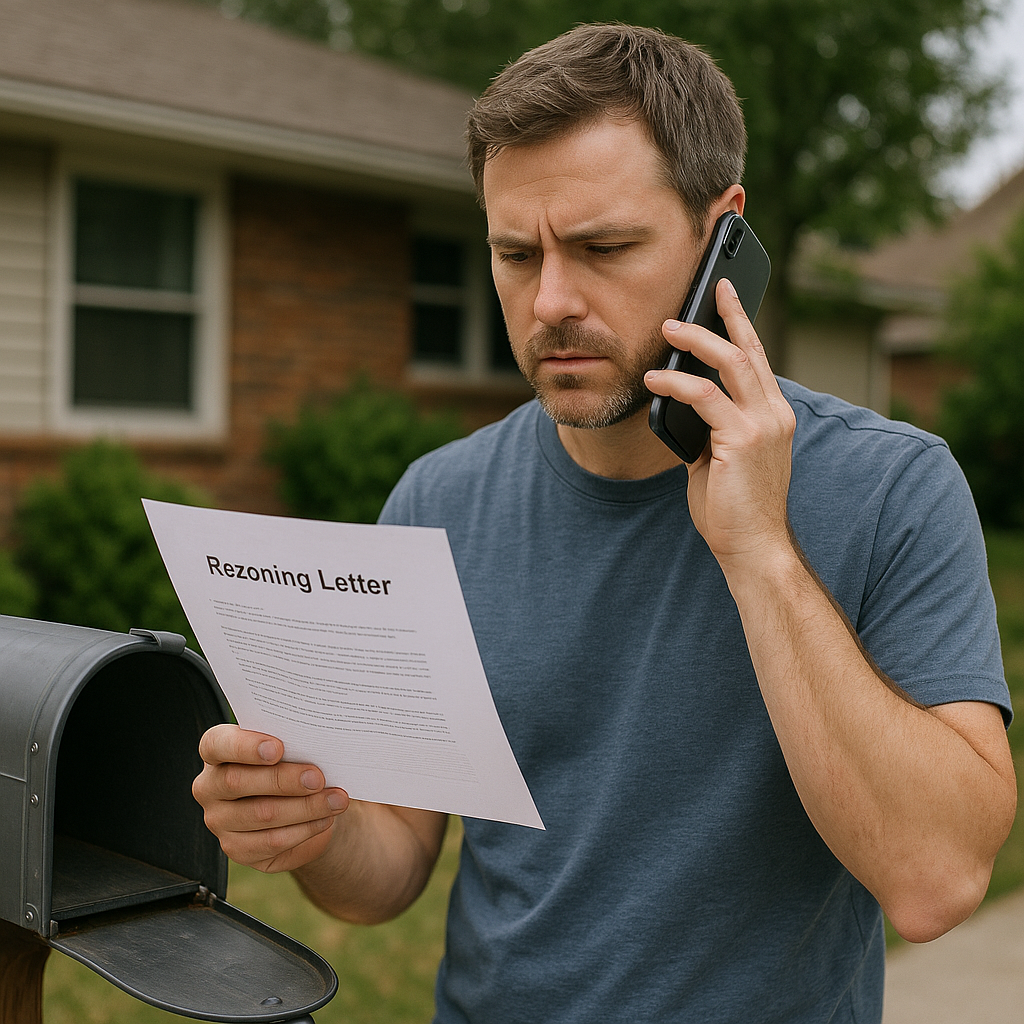
When a rezoning letter hits my mailbox, I don't read it like civic trivia. I read it like a line item that will show up in my next claim. Upzoning a corridor two blocks away, approving a mixed-use project, even a new ADU allowance can push land values up fast, but the part that sneaks up on homeowners is the rebuild side. Contractors follow the work. If a developer is pouring foundations all summer, trades get booked out, labor rates jump, and suddenly your insurer's replacement cost estimate is living in last year.
I keep it practical: I pull the parcel map on the county assessor site, then I look at the permitting portal for what was just approved. Not rumors, permits. If I see a run of gut rehabs, teardowns, or a big commercial shell, I assume my local pricing just changed. That's when I call my agent and ask one specific question: what replacement cost figure are we using for the dwelling, and when was it last recalculated? If they can't tell me what software they're using (CoreLogic, Verisk, something similar) or they can't explain the inputs, that's a signal to request an updated replacement cost estimate with current local costs.
Also, rezoning can change how you use the property. If you add an ADU, convert a basement, or start renting a room because the neighborhood got hot, you just changed occupancy and liability. That's not a moral issue. It's underwriting. If you wait until after a loss, you're asking the claims adjuster to be generous about a setup you never disclosed.
When road work turns your street into a speedway
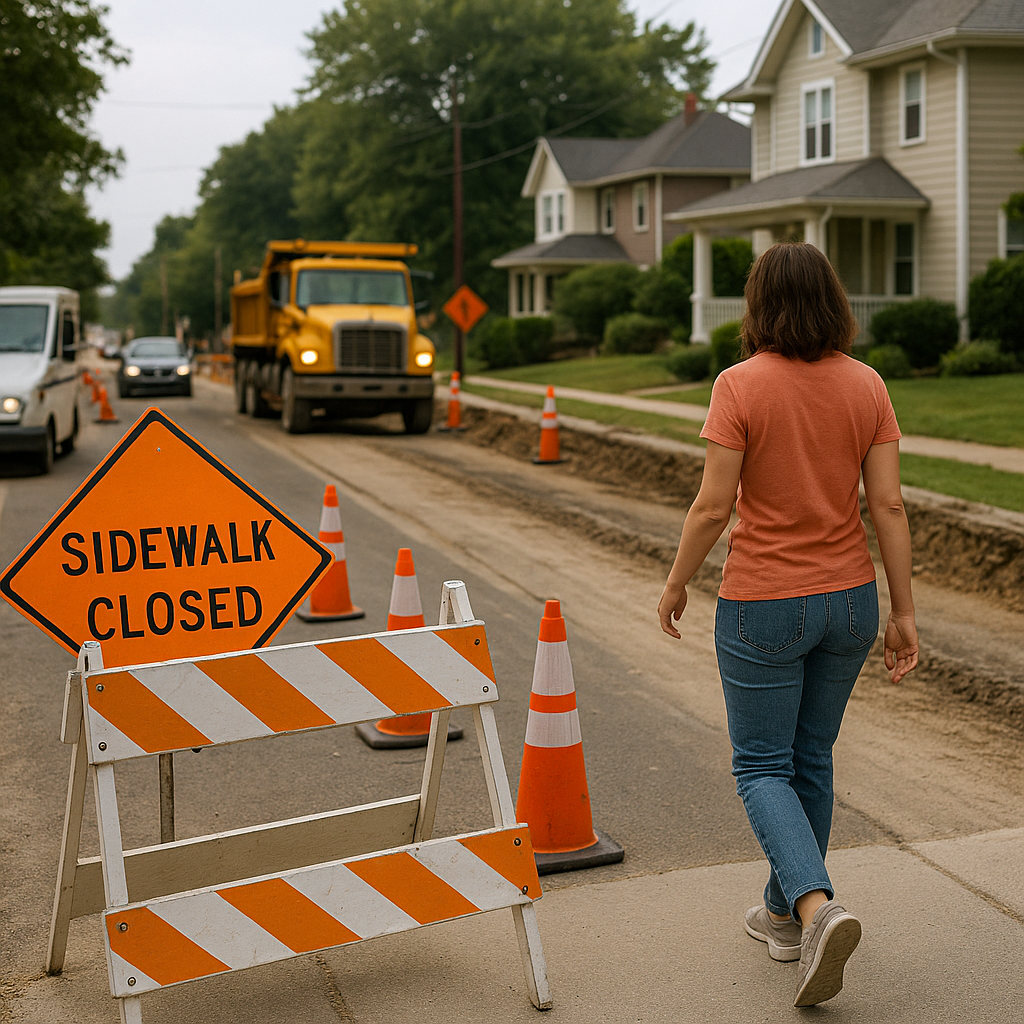
I've lived through the kind of neighborhood road project that looks harmless on the city email blast and then turns daily life into cones, dump trucks, and weird traffic patterns. Here's the insurance part people skip: a temporary detour can change your everyday liability exposure, and not in a dramatic, movie-scene way. It shows up as: more cars using your street to cut through, drivers doing U-turns in your driveway apron, delivery vans parking where they never used to, and neighbors walking in the roadway because the sidewalk is closed.
Two things I check as soon as the orange signs appear. First, my liability limit. Many policies default to $100,000 or $300,000. If your area just got busier and you have a corner lot, a long driveway, or a retaining wall along the sidewalk, that limit can feel thin in a hurry. I like to price out what a $1M umbrella would cost in my zip code and then decide if it fits. It isn't about paranoia, it's about not letting a routine accident become an everything-you-own problem.
Second, I look at the stuff that's now closer to the action: mailboxes, planters, a low fence, even the garage door if vehicles are idling in front more often. If a contractor clips your landscaping or knocks a post over, it's usually their general liability that should pay, not your homeowners. So I get organized early. I take a quick timestamped video walk of the frontage and driveway (30 seconds, nothing fancy) and I keep the project info page bookmarked. It sounds small, but it makes the conversation cleaner when someone says, "It was like that already."
If the project involves vibration (compactors, pile driving nearby), I also read my policy's exclusions around earth movement and settling, because cracks are where the arguments start. I don't assume a home photo proves causation. I just want to know where the line is before I'm staring at new drywall spidering and a shrugged shoulder.
The new park that makes your backyard a shared space
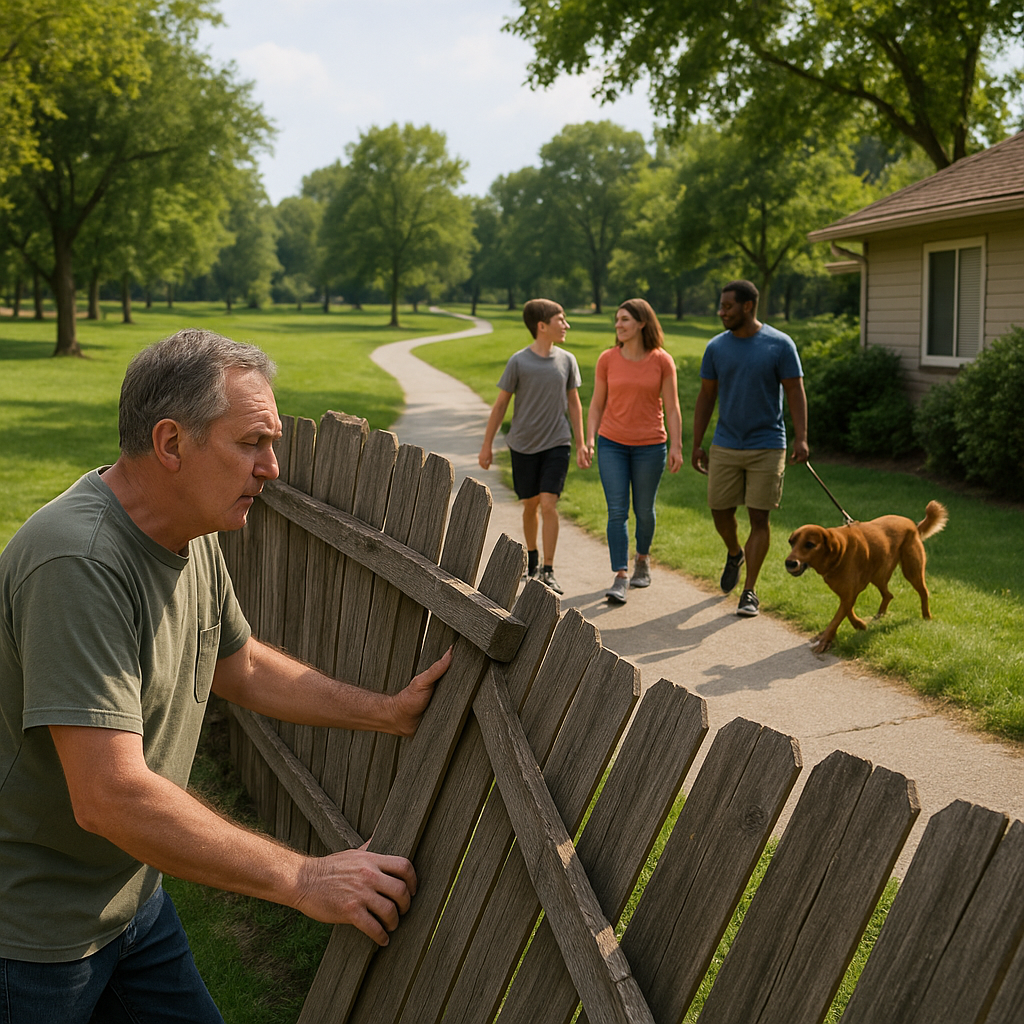
A new park, greenway, dog run, or trail connection is the kind of neighborhood development that makes appraisals smile. It can also make your yard feel like it's on the route. I learned this after a trail spur opened nearby and my quiet side street suddenly had weekend walkers, kids cutting across the corner, and the occasional unleashed dog with a strong opinion about my trash cans.
Insurance-wise, the question isn't whether you like the amenity. It's whether your property now functions as a semi-public edge. Start with the physical boundary: fences, gates, and any retaining wall that borders the sidewalk or path. If your fence is old and leaning, or you have a gate that doesn't latch cleanly, fix that before you end up in the dumbest argument imaginable about whether someone was invited in. Then look at attractive nuisances. If you have a trampoline, pool, fire pit, or even a nice playset visible from the path, you want to know exactly what your policy says. Some carriers require a locked fence for pools, some care about diving boards, some want specific safety features. Don't guess.
This is also where I reconsider personal property coverage, not because park users are prowling around, but because your own habits change. When the area gets more desirable, people remodel. You might add patio furniture, a nice grill, e-bikes in the garage, or a battery lawn tool collection. Those add up quickly, and your policy may have sublimits for certain categories. If you own jewelry, collectibles, or high-end bikes, ask whether scheduling them makes sense, and what documentation they'd want after a loss. Photos help, receipts help, but what really helps is having the conversation before the upgrade spree is done.
Finally, if you start renting the place out for weekends because the park made your address more marketable, stop and update the policy. "Occasional" isn't a magic word in insurance. Your insurer cares about frequency and use, and you don't want your first short-term rental guest to be the reason a claim turns into a coverage fight.