Famous Corporations That Started Out Selling Something Completely Random
Many global companies we recognize today did not start with the products that made them famous. In fact, some began in industries that seem completely unrelated. A paper mill eventually grew into a telecommunications giant, a small grocery shop evolved into an electronics leader, and a boot supplier helped shape modern sneaker culture. Looking back at these beginnings shows how businesses often find success through unexpected turns rather than a straight path.
Adidas
Credit: Wikimedia Commons
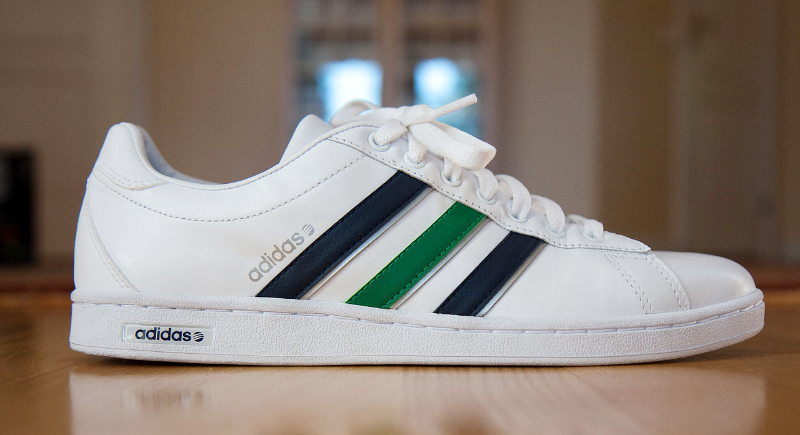
Adolf Dassler worked from a small workshop in Germany in 1924, where he made and repaired footwear by hand. During World War II, the factory produced boots for German soldiers so the business could stay open. After the war, Germany’s economy collapsed, and Dassler had to rethink the company’s direction. In 1949, at age forty-nine, he shifted the focus to athletic shoes. That decision eventually grew into the global brand known as Adidas.
NASCAR

Credit: Wikimedia Commons
NASCAR grew out of an unexpected source. During Prohibition in the United States, moonshiners in the South modified their cars with stronger suspensions and more powerful engines so they could transport illegal alcohol and avoid police on rural roads. Many of those drivers developed serious driving skills. Promoter Bill France later organized formal races, which led to NASCAR’s first sanctioned event at Daytona Beach in 1948 and its headquarters in Charlotte in 1949.
Nokia
Credit: pixabay
In 1865, Knut Fredrik Idestam founded a paper mill beside a river in Tampere, Finland. The business focused on paper for decades, but rising competition began to pressure profits by the mid-twentieth century. In the early 1960s, the company shifted into manufacturing electrical cables. That change gradually moved Nokia toward electronics and later helped it become a major global mobile phone maker.
Twitter
Credit: Wikimedia Commons
Twitter began as part of a struggling podcast startup called Odeo in the early 2000s. The company had focused on podcasting, but Apple’s addition of podcasts to iTunes left little room to compete. During a brainstorming session, Jack Dorsey proposed a simple idea: a service that lets people send short updates via text messages. Those updates were limited to 140 characters to match SMS limits. The platform launched in 2006 and soon became a major social media network.
Procter & Gamble
Credit: iStockphoto
A family dinner conversation in 1837 led William Procter and James Gamble to combine their trades in Cincinnati. One made candles and the other made soap, so they built a business around practical household goods. Expansion and acquisitions steadily broadened their reach across the United States. Nearly two centuries later, Procter & Gamble ranks among the world’s largest consumer goods manufacturers.
SEGA
Credit: Wikimedia Commons
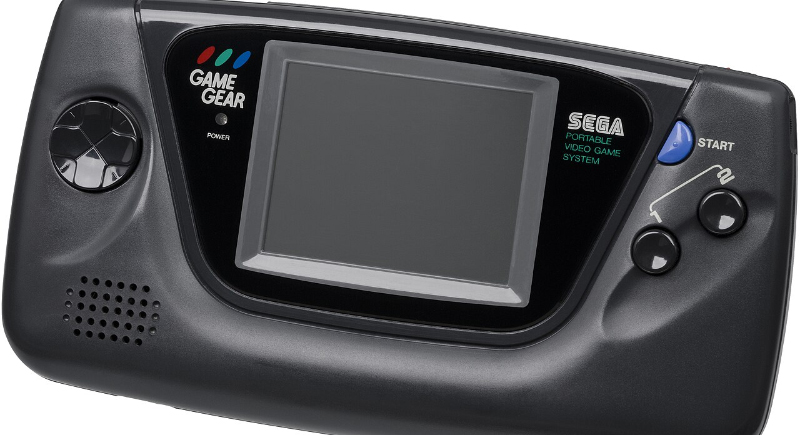
From supplying slot machines to soldiers to launching home consoles, SEGA’s path reads like a business plot twist. The company originated in 1940 as Standard Games in Hawaii, serving U.S. military bases in the Pacific. Demand declined after World War II, and a 1952 ban on slot machines cut into revenue. Sold in 1965 and rebranded in Japan, the company entered the video game hardware market by the 1990s.
Coca-Cola
Credit: Canva
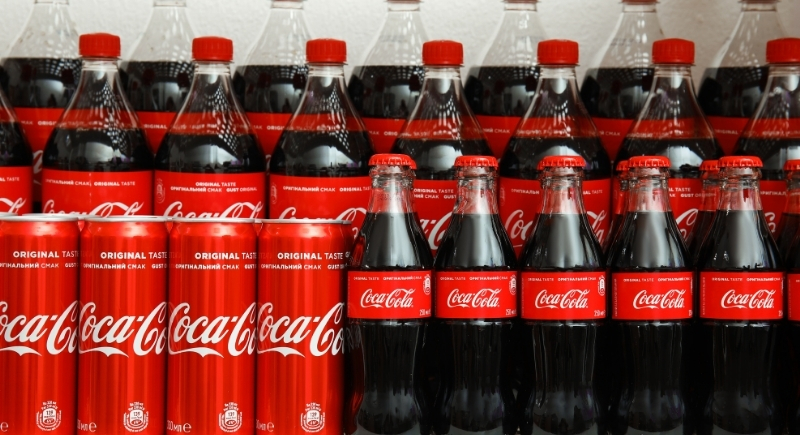
Behind the red label sits a formula first mixed as a medicinal tonic in the 1880s. John Stith Pemberton created Coca-Cola partly to address morphine addiction, reflecting medical trends of the time. Alcohol was removed in 1886 due to local prohibition measures, and early versions included cocaine before it was eliminated. By 1892, the drink had been repositioned as a sugar-based soft drink with national appeal.
Raytheon
Credit: iStockphoto
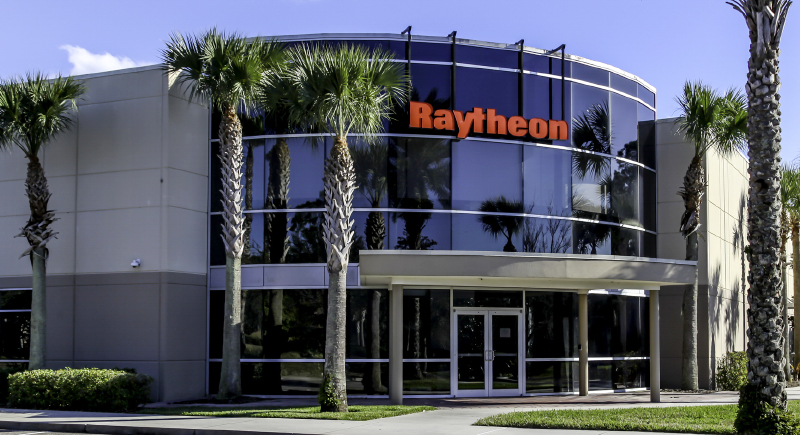
Few would guess a future defense contractor started out chasing appliance sales in 1922. Raytheon initially focused on products like refrigerators and microwave ovens, and its engineers developed early microwave oven technology. After World War II, executives targeted U.S. defense contracts as global tensions escalated. Cold War spending accelerated that transition, and Raytheon became one of the largest defense manufacturers in the United States.
Samsung
Credit: iStockphoto
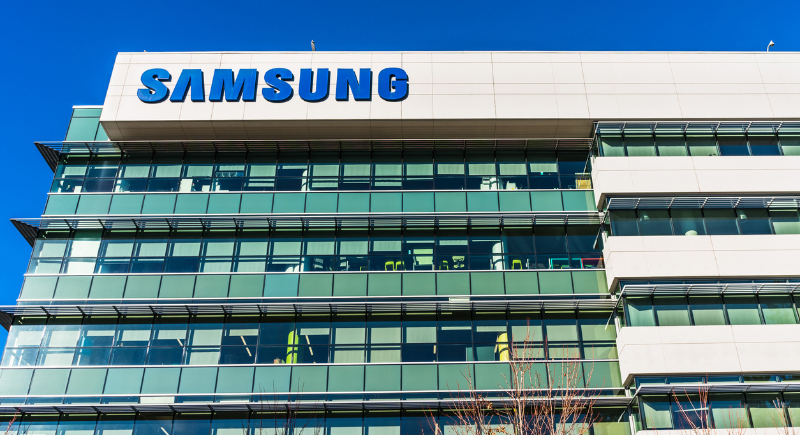
Long before semiconductors and smartphones, Samsung’s founder was selling dried fish and produce in Seoul in 1938. Lee Byung-chul launched the grocery business, yet competition and the Korean War threatened stability. He expanded into sugar refining and textiles during the 1950s to diversify his revenue sources. In the early 1960s, he entered the electronics manufacturing industry, and that move turned Samsung into a global technology powerhouse.
DuPont
Credit: Facebook
DuPont began with a very different product than the ones many people associate with the company today. In 1802, Éleuthère Irénée du Pont founded the business to manufacture gunpowder. The company supplied explosives for decades and even provided materials during major wars, including work connected to the Manhattan Project in World War II. Over time, DuPont expanded into chemical research, developing materials such as rayon and Teflon that later appeared in everyday consumer products.