8 Reasons You May Be Denied Social Security Benefits
Applying for Social Security Disability Insurance or Supplemental Security Income can feel like a turning point. Many people assume that having a serious medical condition is enough to qualify. In reality, the decision often comes down to technical rules about income, medical proof, and how closely you follow agency requirements.
A denial does not always mean your condition is not real or serious. It often reflects strict federal standards. Understanding the most common reasons claims are denied can help you see how the system works and where applicants tend to run into trouble.
Earning Above The Substantial Gainful Activity Limit

Credit: pexels
At the time of application, you cannot be earning more than the substantial gainful activity (SGA) limit. In 2025, SGA is $1,620 per month, or $2,700 for blind applicants. Only wages from work count toward this threshold. Earning above that amount means Social Security does not consider you disabled under its rules.
Your Disability Will Not Last At Least 12 Months
Credit: pexels
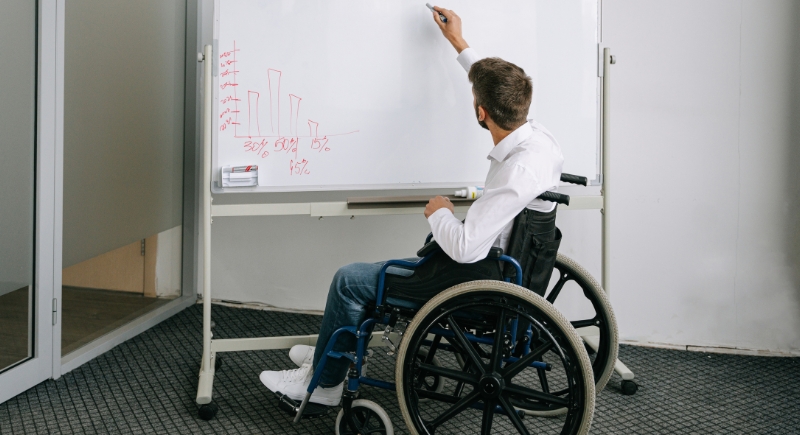
The program is built for long-term conditions. Your impairment must be expected to last at least a year or result in death. Claims tied to injuries with a clear recovery timeline often face denial once medical records show improvement is likely within twelve months. Blind SSI applicants are not held to this duration rule.
Your Condition Is Not Severe Enough
Credit: Getty Images
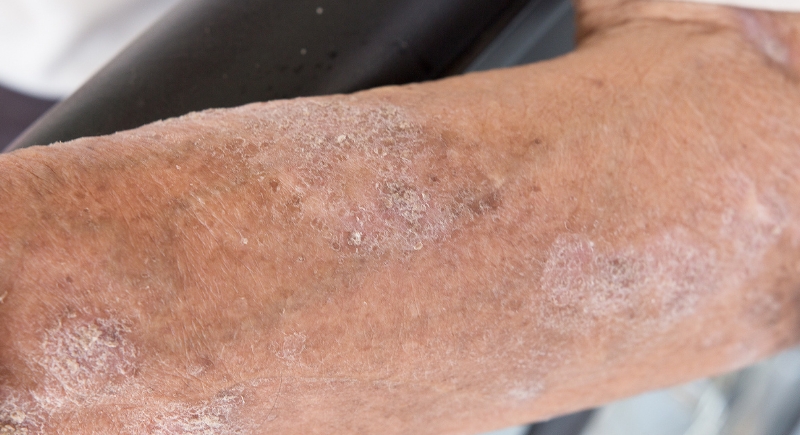
A diagnosis alone does not qualify someone for benefits. Social Security evaluates how much your condition limits daily functioning and your ability to sustain full-time work. Minor skin disorders or mild joint pain that respond well to routine care usually fail to meet the agency’s threshold for severity.
Social Security Cannot Contact You
Credit: Getty Images
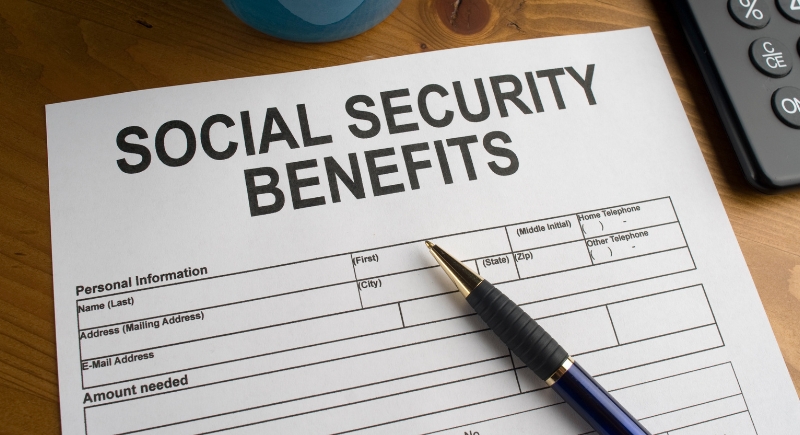
Disability Determination Services needs to reach you to schedule exams or request clarification. DDS is likely to deny you if they can’t reach you. Keeping your address and contact information current is more than a formality. It directly affects whether your claim moves forward.
You Refuse To Cooperate With Agency Requests

Credit: Canva
Failure to sign medical release forms or provide requested documentation can result in denial. Social Security relies on medical records to evaluate your condition. If you prevent the agency from obtaining necessary evidence, it cannot complete a proper review of your claim.
You Fail To Follow Prescribed Medical Treatment

Credit: pexels
If doctors recommend treatment that could restore your ability to work and you decline without a valid reason, Social Security may deny benefits. Acceptable explanations include financial hardship, religious objections, conflicting medical opinions, severe mental illness, or documented fear of surgery supported by medical records.
Drug Addiction Or Alcoholism Is Material To Your Disability

Credit: pixelshot
Substance use complicates disability evaluations. Benefits cannot be approved when drug or alcohol abuse is the sole impairment. If addiction contributes to your limitations, you must show that disabling symptoms would persist without substance use. Examiners often look for medical records from periods of sobriety to make that determination.
You Are Incarcerated After A Felony Conviction
Credit: pexels
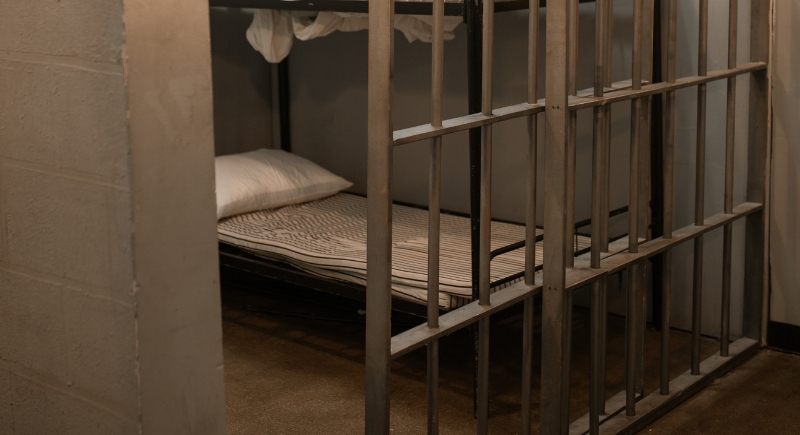
You generally cannot receive SSDI or SSI payments while incarcerated following a felony conviction. Injuries sustained while committing a felony or while in prison cannot serve as the basis for benefits. In certain SSDI cases, a disability freeze may preserve future benefit calculations without issuing payments during incarceration.