10 Things You Should Not Do At a Movie Theater
Studios invest millions into production and distribution, and theaters depend on ticket sales and concessions to survive. Consequently, audiences invest time and money in a focused experience.
That’s why it’s plain rude to interrupt that event with behavior that pulls attention away from the screen. A ringing phone, loud commentary, or glowing screen can undo hours of creative work in seconds. Industry reports show that complaints about disruptive behavior are a major reason people avoid theaters.
Talk Through the Movie
Credit: Canva
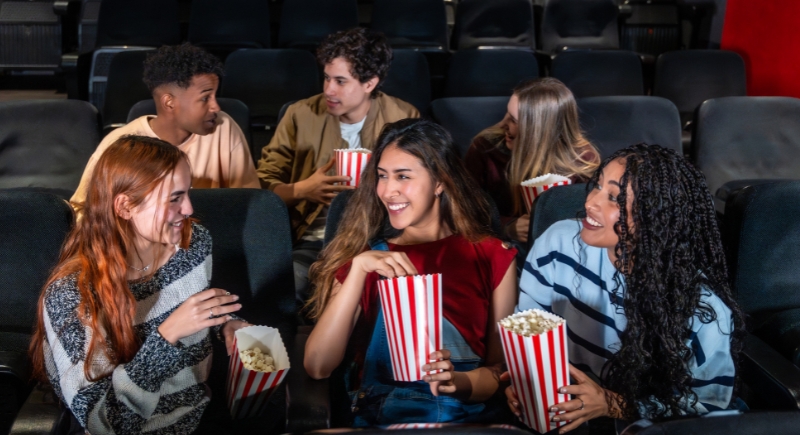
Sound engineers calibrate theaters, so dialogue reaches every seat clearly. The same design carries side conversations just as effectively. A steady stream of commentary competes with the script and breaks concentration. Viewers who stay quiet help preserve timing, tension, and emotional build. Having said that, shared laughter is completely normal because it responds to the film itself.
Answer Your Phone During the Film
Credit: Canva
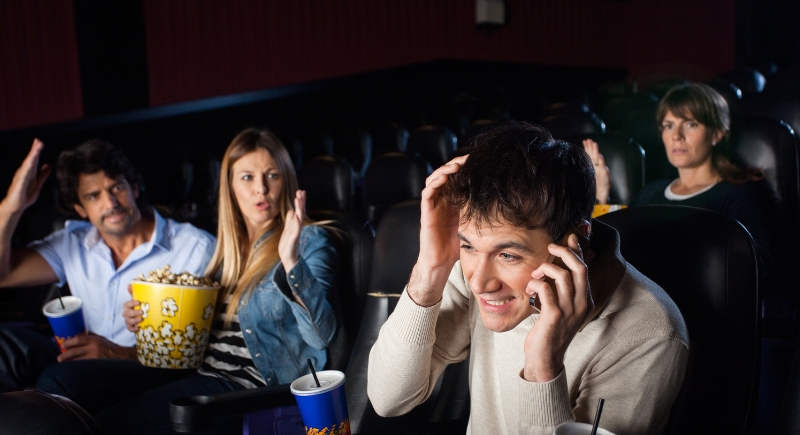
Pre-show reminders about silencing devices are there for a reason. Theater chains introduced them after years of complaints about ringing phones. A single ringtone can cut through a scene and undo carefully built suspense. Even checking a screen creates a glow visible across rows.
Bring a Baby to a Standard Screening

Credit: Canva
Some cinemas offer special baby-friendly matinees that let you attend a movie without worrying about strict silence. Those screenings acknowledge that infants follow their own schedules. On the other hand, a standard showing creates practical challenges for parents and their children. After all, feedings, diaper changes, and sudden fussing interrupt long stretches of the film.
Use Social Media or Record the Screen
Credit: Getty Images
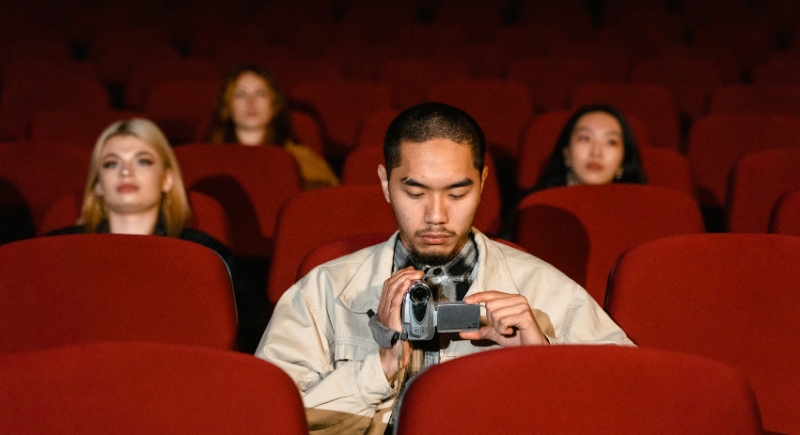
If you pull out your phone to record a scene, you change the atmosphere for everyone around you. Smartphones altered movie etiquette more than any other device in recent memory. Decades ago, bootleg recordings required bulky camcorders and produced poor results. Today, a single phone can capture clear footage within seconds. Recording also violates theater policy and can breach copyright law.
Spoil the Plot for Others

Credit: Getty Images
Nobody likes spoilers, especially after making an effort to avoid reviews and social media before opening weekend. Shouting out a major twist during a second viewing undercuts that effort immediately. Loud post-movie discussions in the lobby can also reach guests waiting to enter.
Arrive Late and Disturb Seated Guests

Credit: Getty Images
People who arrive on time enjoy a smoother start to the entire screening. Most showtimes include trailers before the main feature begins, which gives people a buffer to settle in. Early arrivals choose seats without climbing over strangers or blocking anyone’s view. They also have time to grab concessions and silence their phones without rushing.
Treat the Theater Like Your Living Room

Credit: pexels
The auditorium belongs to every ticket holder for the duration of the show. Removing shoes, placing feet on seats, or vaping inside ignores that reality. This is why staff members enforce policies prohibiting smoking and disruptive conduct to ensure safety and comfort.
Leave Trash Behind or Break Ticket Rules

Credit: Canva
Cleaning crews work on tight turnaround times between screenings. Large messes slow that process and affect the next audience. Tossing wrappers into a bin requires little effort yet makes a noticeable difference. Sneaking friends into an auditorium or moving between films without paying further strains operations.
Bring Loud or Strong-Smelling Food

Credit: pexels
Theaters rely heavily on concession revenue, which explains restrictions on outside meals. Despite this, visitors sometimes sneak in snacks to avoid high prices. Problems arise when the packaging crinkles loudly or strong odors spread across several rows. It causes disturbance and cuts into one of the primary income streams that keep smaller places operating.