10 Countries with No Income Tax (And the Catch)
Finding a place with zero income tax seems like an easy win, but every country that skips taxing paychecks fills the gap in its own way. A few rely on oil revenue, while others depend heavily on tourism. Several nations also make long-term residency difficult unless you invest a substantial amount of money. With that in mind, we’ve gathered information on 10 countries with no income tax and the real-world trade-offs that come with each.
Bahamas
Credit: Getty Images
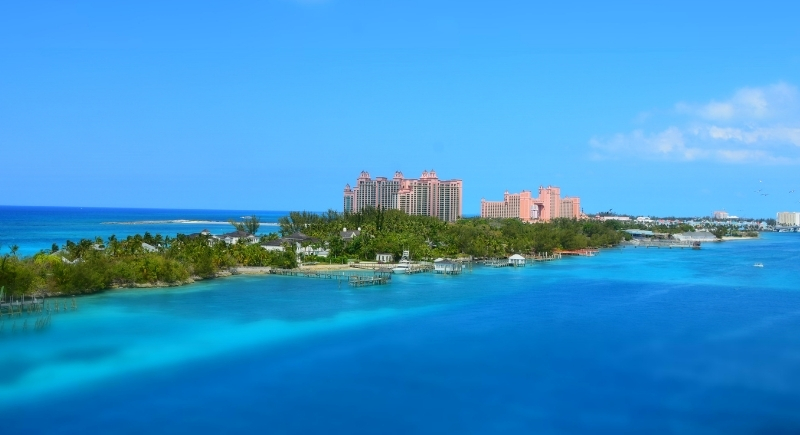
Life in the Bahamas is largely driven by tourism, which generates steady revenue and allows residents to avoid income tax entirely. Long-term living isn’t hard to start, since a temporary residence permit costs only $1,000 per year, but sticking around for good usually means buying property. Homes valued at $750,000 or more get faster consideration for permanent residence. The government has been tightening rules for people who avoid investing, so the carefree setup doesn’t come without expectations.
United Arab Emirates
Credit: Getty Images
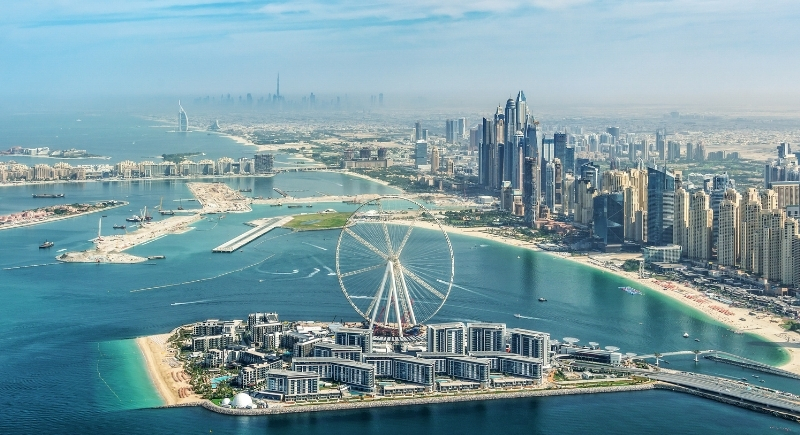
The UAE’s no-income-tax rule is a major draw, but the catch is that staying tax-free depends entirely on maintaining a valid visa. The country’s revenue still comes from oil and its expanding business economy, and Dubai and Abu Dhabi offer a smooth environment for work and investment. A 9% corporate tax now applies to certain companies, although personal income remains untaxed. Long-term visas, including 10-year investor options, are more available than before, but there is no straightforward route to permanent residency or citizenship. Expats can build long careers in the UAE, but only if they continue meeting the requirements that allow them to stay.
Monaco

Credit: Getty Images
This tiny country on the French Riviera dropped personal income tax generations ago, and that decision turned it into a magnet for wealthy residents. Becoming a resident isn’t complicated, but it requires a sizable bank balance. The tradeoff is living in one of the safest and most polished places in Europe.
Cayman Islands
Credit: Getty Images
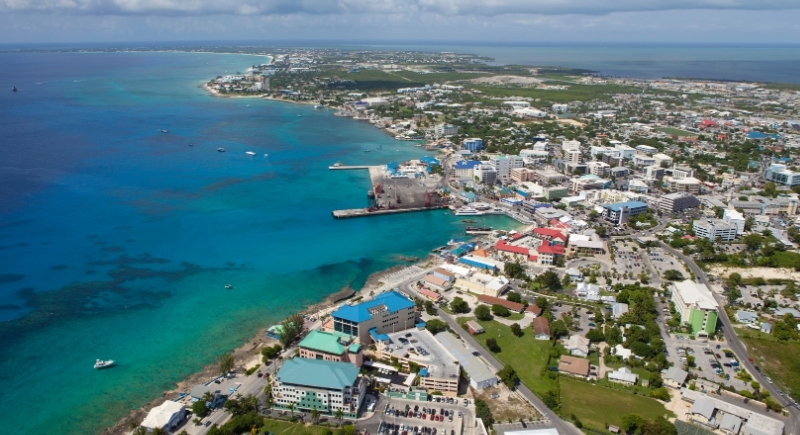
The Caymans avoid all the usual taxes, including capital gains and inheritance taxes, instead relying on tourism and financial services. Residency is possible if someone earns at least 120,000 KYD (about $144,000) per year, invests at least $1.2 million, or starts a qualifying business. Citizenship takes time and steady investment. It’s beautiful and stable, but it’s also expensive and strict about who can join the community.
Bahrain
Credit: Getty Images
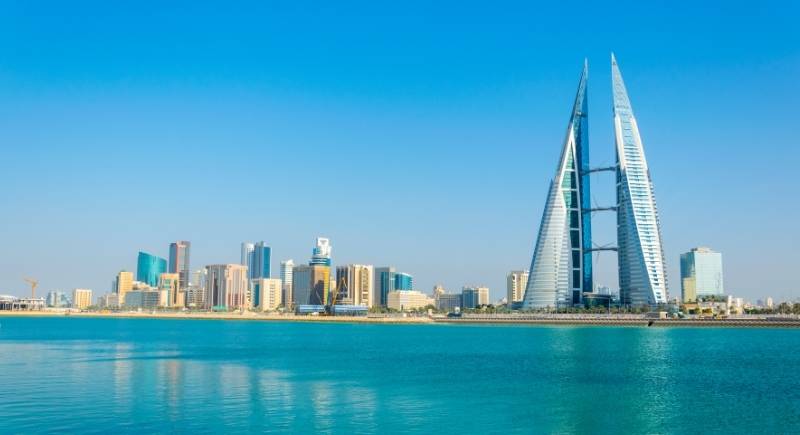
Oil revenue allows Bahrain to keep income tax off the table, and expatriates tend to settle comfortably in places like Manama. A permanent residence permit is possible with a property investment of BD 50,000 (around $132,500) or a business investment of BD 100,000 (approximately $265,000). Citizenship is rarely granted and requires 25 years of residency and fluency in Arabic, so most foreigners enjoy the tax benefits without expecting a second passport.
Oman
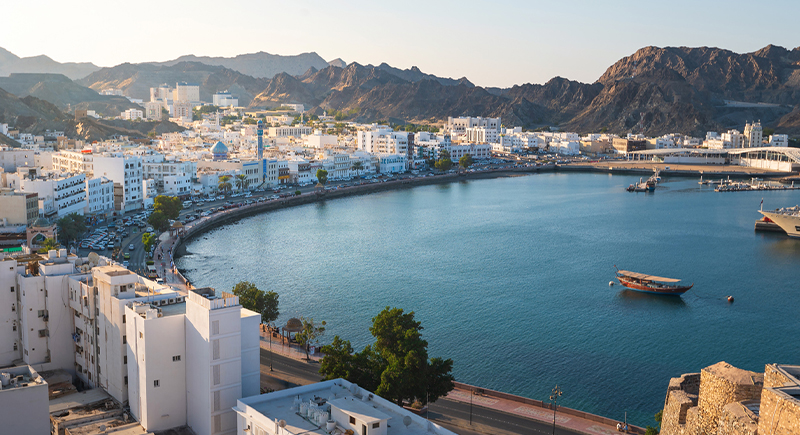
Credit: iStockphoto
As another oil-funded country, Oman heavily relies on natural resources while attempting to diversify its economy. Personal income tax doesn’t exist, but moving there long-term can be a challenge. The culture is conservative, and some rules, like needing a police-issued license just to buy alcohol, surprise newcomers. Investor visas exist, but precise requirements are more complex to find.
Qatar
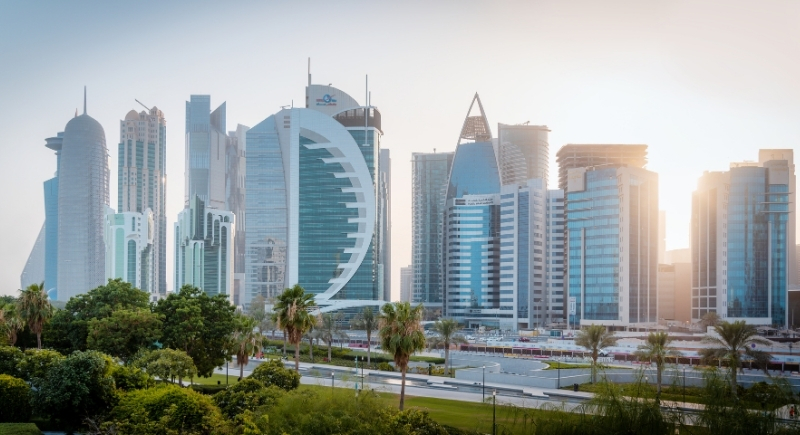
Credit: Getty Images
Qatar’s vast gas reserves render income tax unnecessary, and the country features one of the world’s highest GDP per capita rates. Permanent residence exists, but it’s limited to individuals who have resided in the country for over 20 years and possess a strong proficiency in Arabic. It’s calm, modern, and well-funded, but long-term options are selective.
Saint Kitts and Nevis
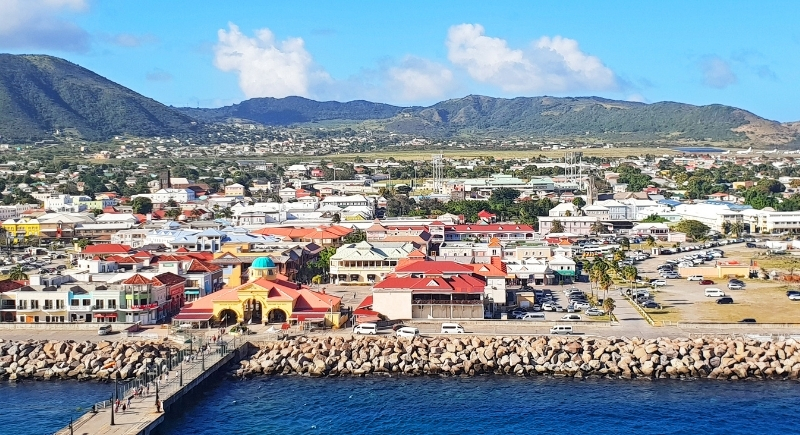
Credit: Getty Images
If a second passport sounds appealing, this Caribbean country makes it simple. Its citizenship-by-investment program starts at a $250,000 donation or a $325,000 real estate investment. Processing can be quick, and once approved, residents pay no income tax. It’s one of the most straightforward paths to zero tax.
Bermuda
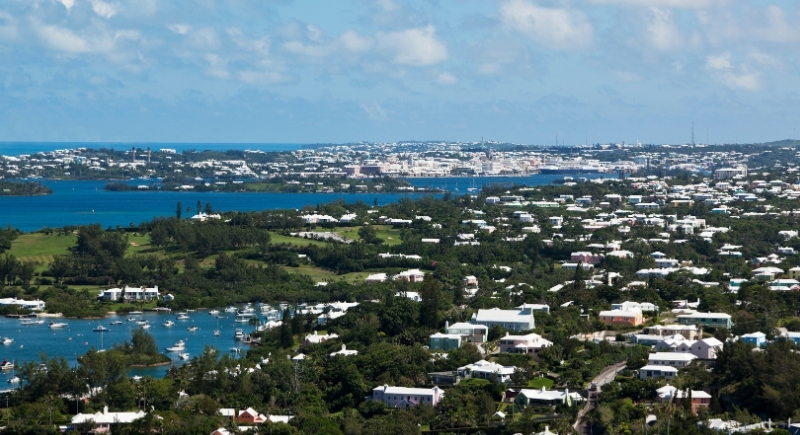
Credit: Getty Images
Bermuda skips income tax but uses payroll tax instead. Employers pay it directly and can take up to 10.25% from salaries. Visitors can stay for up to six months at a time, and work permits facilitate stays of more extended duration. There’s no permanent residence or citizenship by investment, so staying indefinitely isn’t an option for most people.
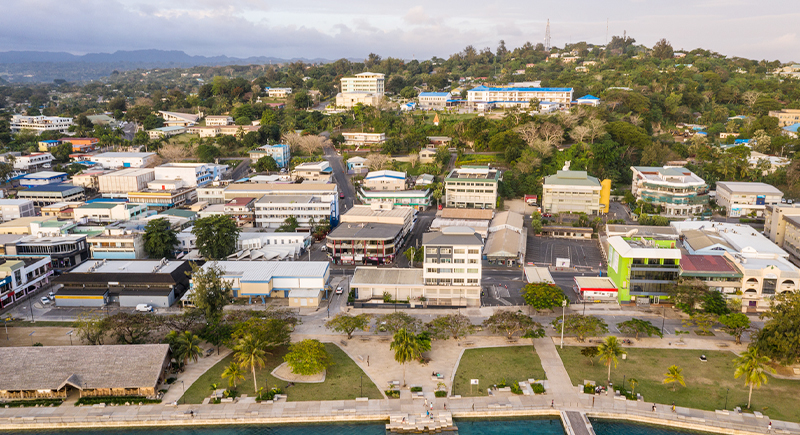
Vanuatu
Credit: iStockphoto
Tourism and government fees support Vanuatu’s tax-free setup, and its citizenship-by-investment program is one of the fastest in the world. It’s also cheaper than most Caribbean programs. The drawback is distance. Getting there is time-consuming, and flights can be pricey, so convenience isn’t part of the package.