11 “Luxury” Brands That Secretly Use Cheap Labor
Luxury fashion thrives on perception. A steep price tag suggests time, skill, and careful working conditions, yet reporting over the years tells a less polished story. Many high-end labels depend on low-paid labor far from their flagship stores, while only the finishing steps happen under watchful eyes. The result is a carefully maintained image that hides very ordinary cost-cutting behind the language of prestige.
Dior
Credit: Wikimedia Commons
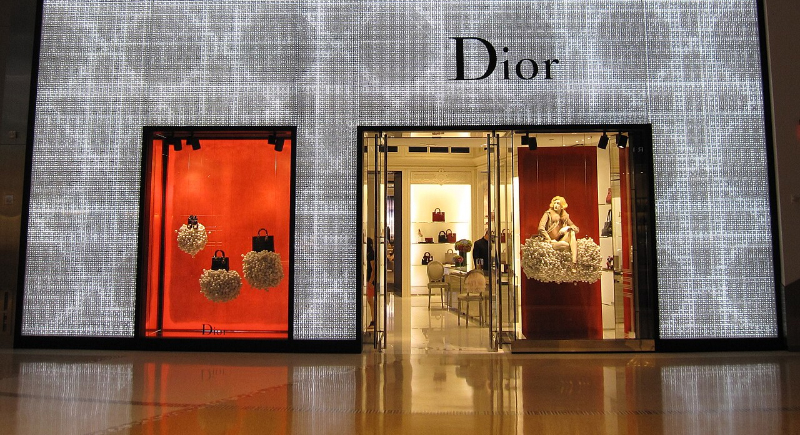
Italian prosecutors have alleged that Dior handbags selling for thousands of dollars were assembled in unauthorized workshops around Milan for a fraction of that price. Reports described migrant workers paid extremely low wages, sometimes operating outside labor regulations. The bags later received finishing touches that allowed a “Made in Italy” label.
Armani
Credit: Wikimedia Commons
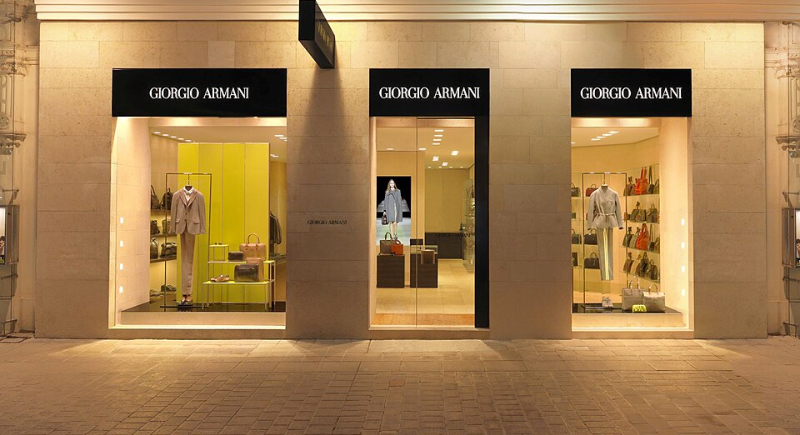
Armani’s name surfaced in Italian labor investigations focused on subcontractors employing migrant workers at low wages. Reports suggested labor costs near $100 for handbags sold at prices approaching $2,000. The brand has stated that it works with external suppliers, a common industry practice, although critics argue that the system encourages cost pressure.
Louis Vuitton
Credit: iStockphoto
As part of LVMH, Louis Vuitton carefully protects its image while sharing little about where all its work is done. Labor advocates have raised concerns about that lack of transparency, pointing to outsourced production within the supply chain. While final assembly in Europe helps uphold a luxury reputation, much of the labor likely happens elsewhere, under conditions the brand seldom makes public.
Prada
Credit: Wikimedia Commons
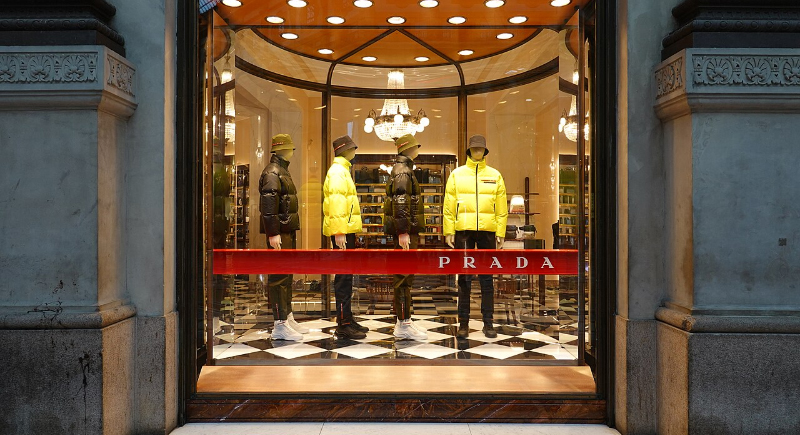
Prada has acknowledged using Chinese factories for certain products but avoids clear breakdowns of which items are made where. Industry analysts point out that partial assembly in Europe can still qualify products for prestigious labels. That gray area keeps customers focused on heritage rather than the realities of global manufacturing economics.
Balenciaga
Credit: iStockphoto
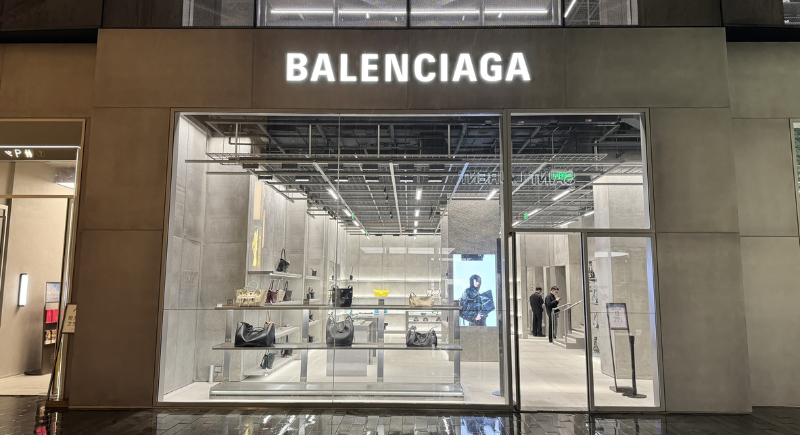
Balenciaga, owned by Kering, has confirmed that parts of its production take place in China. Critics highlight how luxury groups rely on overseas factories for cost efficiency, then complete minor steps in Europe. The practice follows legal guidelines but fuels debate about how much value branding adds compared to labor.
Nike
Credit: iStockphoto
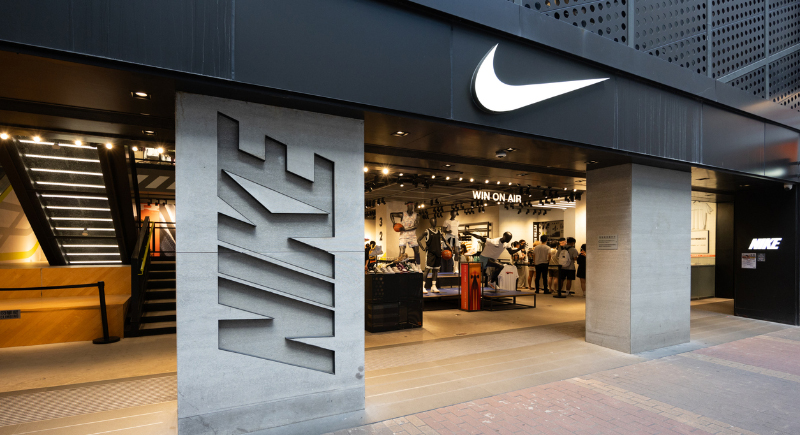
Nike’s labor controversies stretch back decades, with documented cases in Vietnam, Indonesia, and China. Investigations have flagged low wages and unsafe conditions among suppliers. The company publishes codes of conduct and audit reports, yet watchdogs continue to question how effective oversight remains across such a vast manufacturing network.
Adidas
Credit: iStockphoto
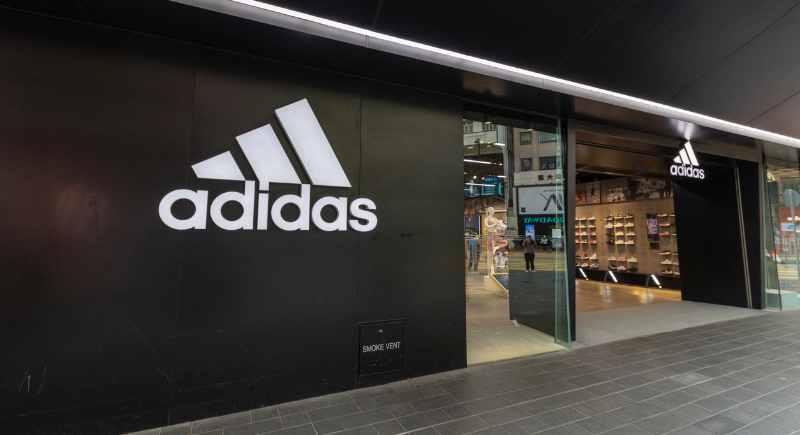
Adidas has faced reports linking its cotton supply chain to child and bonded labor in India. Additional findings uncovered safety violations at U.S. warehouses. The brand participates in industry monitoring groups, though critics argue that policies on paper often fail to prevent abuse at farm and factory levels.
Michael Kors
Credit: Wikimedia Commons
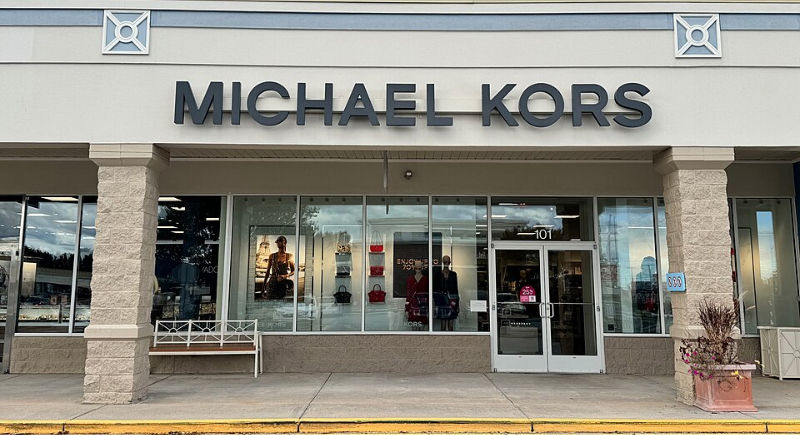
Marketed as accessible luxury, Michael Kors relies heavily on overseas factories, particularly in China. Labor advocates have criticized the brand for limited disclosure around worker pay and conditions. The gap between its polished image and mass-production reality highlights how price points rarely reflect manufacturing costs.
Victoria’s Secret
Credit: Wikimedia Commons
Victoria’s Secret has implemented a supplier code of conduct; however, workers in Sri Lanka and Jordan have accused factories of wage theft and mistreatment. Labor organizations claim that audits have overlooked repeated violations. The contrast between glossy marketing and factory-level complaints has made the brand a frequent focus of rights groups.
Saint Laurent
Credit: Wikimedia Commons
Investigations have traced some Saint Laurent embroidery work to workshops in India, where highly skilled artisans are paid relatively little for their expertise. Much of the production is handled through layers of middlemen, which keeps the brand removed from day-to-day working conditions. While the finished pieces debut on Paris runways, the detailed handwork behind them is often completed far from public view, under tight timelines and heavy pressure.