What Actually Happens To Unsold Items At High-End Luxury Brands
Luxury brands rarely handle unsold products the same way ordinary stores do. When a handbag costs $3,000 or a watch sells for $20,000, dropping the price in a clearance bin can damage the brand’s image. These companies carefully control pricing and scarcity because exclusivity is part of what customers are paying for. So when items do not sell, brands usually rely on quiet, deliberate strategies rather than public discounts.
Burberry
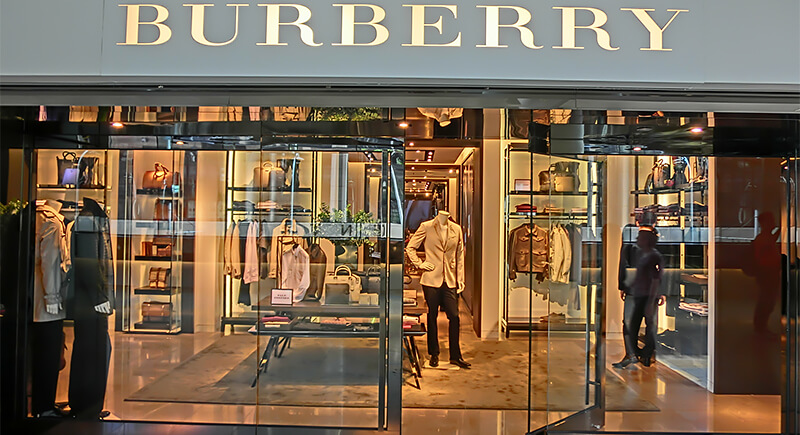
Credit: Wikimedia Commons
In 2018, Burberry disclosed that it had destroyed £28.6 million (approximately $36 million at the time) worth of unsold goods in a single year. The company stated the practice was designed to protect brand value and prevent discounted resale. The backlash was immediate. Within months, Burberry announced it would end the destruction of unsold products and phase out the use of real fur. Today, the brand has shifted toward resale partnerships and circular initiatives, but the admission marked a turning point in public awareness of luxury inventory practices.
Richemont (Cartier, Piaget, IWC, Vacheron Constantin)
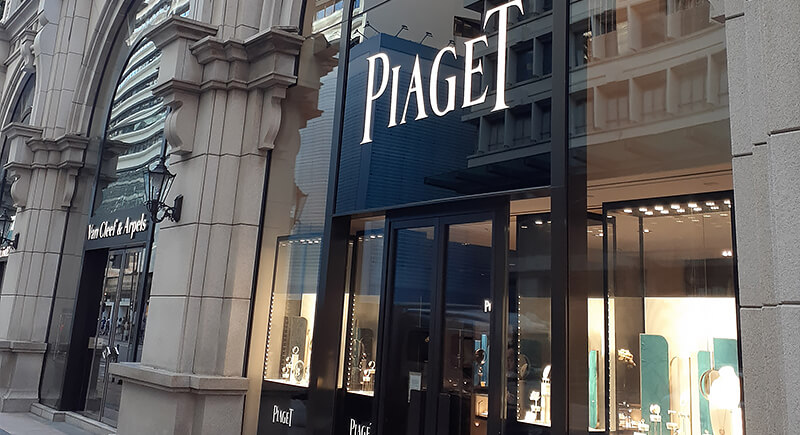
Credit: Wikimedia Commons
Swiss luxury group Richemont confronted excess inventory in a different way. Between 2016 and 2018, the company bought back €481 million (approximately $567 million) worth of unsold watches from retail partners. Rather than allow those watches to flood the grey market at discounted prices, Richemont dismantled and recycled many of them. Executives made clear that protecting long-term brand equity outweighed short-term financial losses. For high-end watchmakers, controlling secondary pricing is central to maintaining perceived value.
Rolex
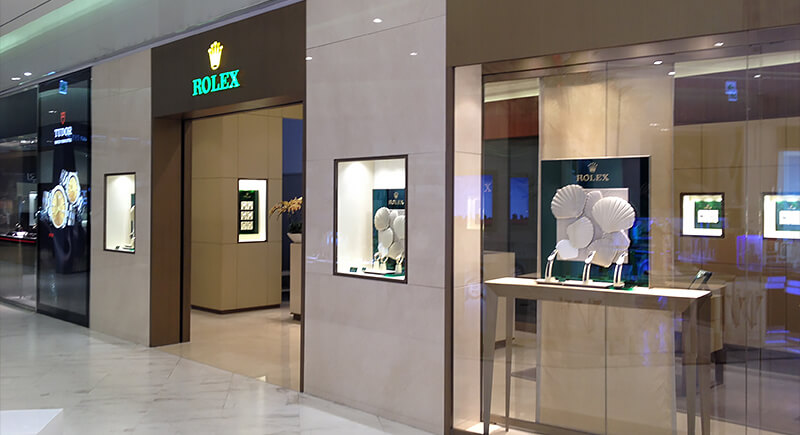
Credit: Wikimedia Commons
Rolex took a more structural approach. Instead of destroying excess stock, the brand launched its Certified Pre-Owned (CPO) program through authorized dealers. Pre-owned Rolex watches are now authenticated, serviced, and resold with a two-year international guarantee. Certified models often carry a 15% to 30% premium over non-certified grey-market listings. By entering the resale market directly, Rolex reduces speculation and captures margin while preserving price discipline. Unsold or returned watches are more likely to re-enter official channels than disappear.
Cartier
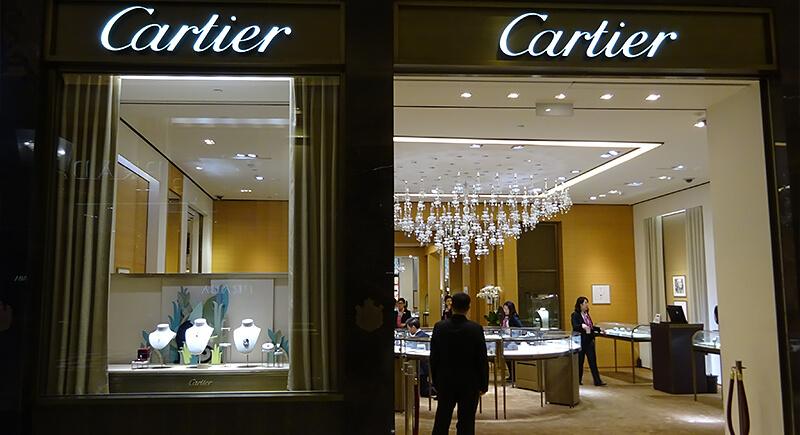
Credit: Wikimedia Commons
Cartier, part of Richemont, now offers its own vintage and pre-owned pieces. Instead of letting older or unsold items circulate through unregulated resale markets, the brand restores selected watches and jewelry and resells them with official certification. By managing the process itself, Cartier can verify authenticity, maintain pricing standards, and keep its products within its own network rather than rely on resale channels outside the brand.
Vacheron Constantin
Credit: Wikimedia Commons
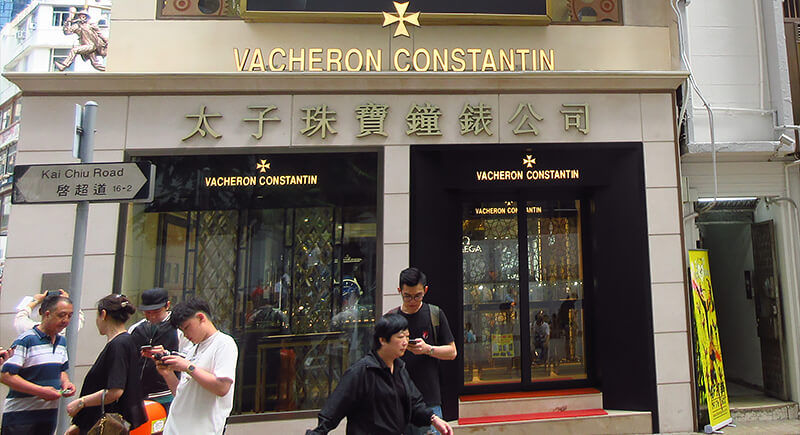
Vacheron Constantin runs a program called Les Collectionneurs, where the maison searches for notable vintage watches, restores them in its workshops, and offers them again with official certification and warranty. The program is not meant to handle unsold current models. Instead, it shows how leading watchmakers now treat the resale market as part of the brand’s long-term story. Carefully restored vintage pieces keep heritage models in circulation while protecting their value.
LVMH (Louis Vuitton, Dior, Fendi, and others)
Credit: Wikimedia Commons
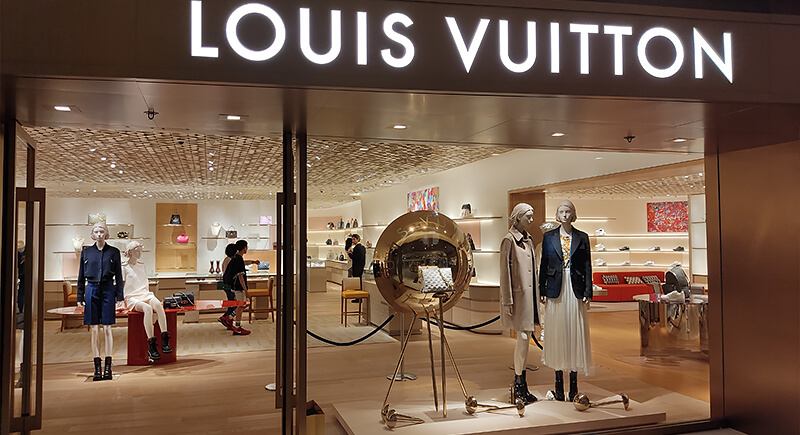
LVMH has built an infrastructure around material recovery. Through its CEDRE platform, the group dismantles and recycles unsold perfumes, cosmetics, and certain fashion products. Materials are sorted, processed, and reintegrated where possible. The group also launched Nona Source, which resells unused fabrics and leathers from its fashion houses to other designers. Rather than destroy surplus materials outright, LVMH channels them into controlled reuse streams. This approach allows luxury houses to avoid uncontrolled discounting while reducing environmental exposure.
Chanel
Credit: Wikimedia Commons
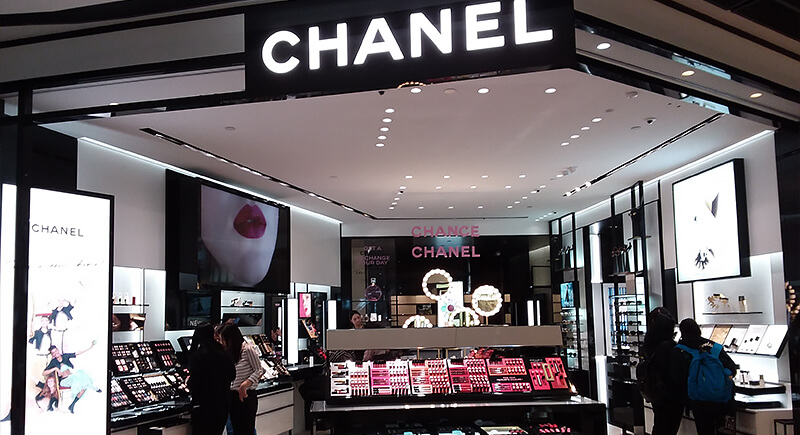
In 2025, Chanel launched Nevold, an independent circularity platform focused on recycled textile and leather materials. Nevold works at the material level rather than the resale level. Instead of discounting or publicly liquidating unsold goods, materials from production offcuts or excess stock can be dismantled and reprocessed into new yarns and components. The brand has stated that it does not destroy unsold products as a standard practice, but Nevold formalizes how excess materials are handled internally. The initiative is designed as a business-to-business platform and reflects Chanel’s move toward scalable circular infrastructure.
Prada Group
Credit: Wikimedia Commons
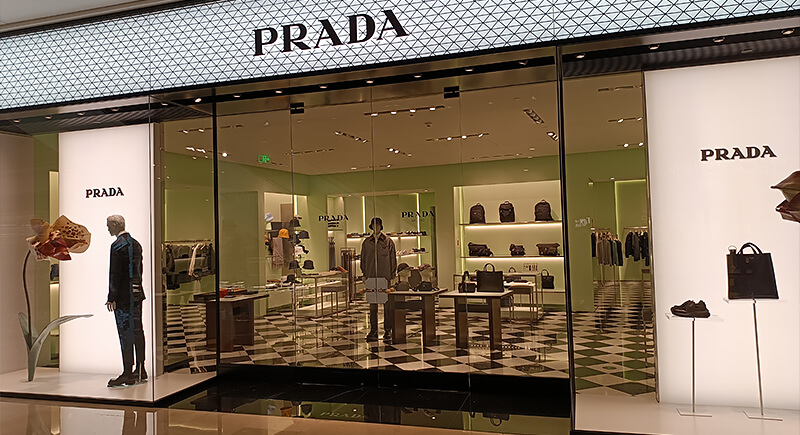
Prada, together with LVMH and Cartier, co-founded the Aura Blockchain Consortium in 2021 to improve traceability and authentication across luxury products. While the initiative is not specifically about unsold goods, traceability technology helps brands track lifecycle data more precisely. Improved tracking reduces leakage into unauthorized channels and supports controlled resale strategies. For luxury houses, preventing grey market circulation can be as important as managing excess production.
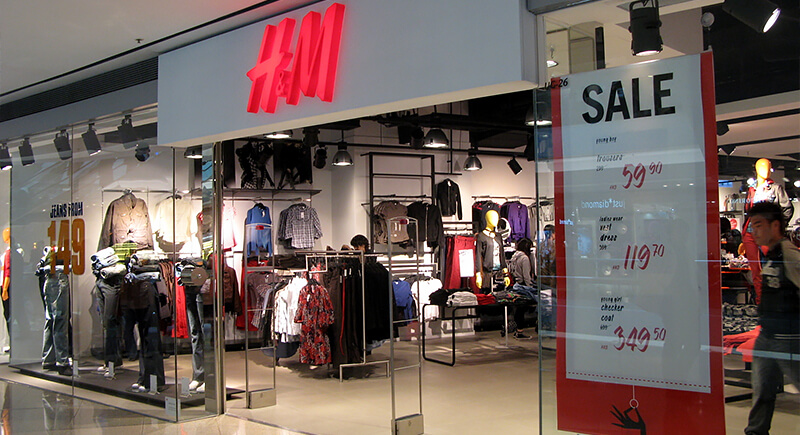
H&M (Fast Fashion Contrast)
Credit: Wikimedia Commons
Although not a high-end luxury brand, H&M illustrates the scale difference. The company produces roughly 3 billion garments per year and has faced criticism over overproduction and incineration of unsold stock. Fast fashion retailers often rely on clearance cycles and outlet distribution. Luxury brands, by contrast, prioritize scarcity and pricing integrity over volume clearance. The contrast highlights why high-end maisons historically chose destruction or buybacks rather than markdowns.