Countries With the Most Expensive Petrol Prices in the World Right Now
No matter how much you rely on public transport, there are still moments when you need your own car, whether it’s dropping your kids off at school, running last-minute errands, or picking up groceries. Your work gets done smoothly in your personal vehicle, but the hardest part, especially these days with global uncertainty, comes when you stop to refill your tank.
As of April 2026, the average global gasoline price stands at $1.49 per liter, according to GlobalPetrolPrices.com. That average hides wide differences across countries. In some places, drivers are paying far more every time they fill up, and those are the countries on this list.
Hong Kong
Credit: Getty Images
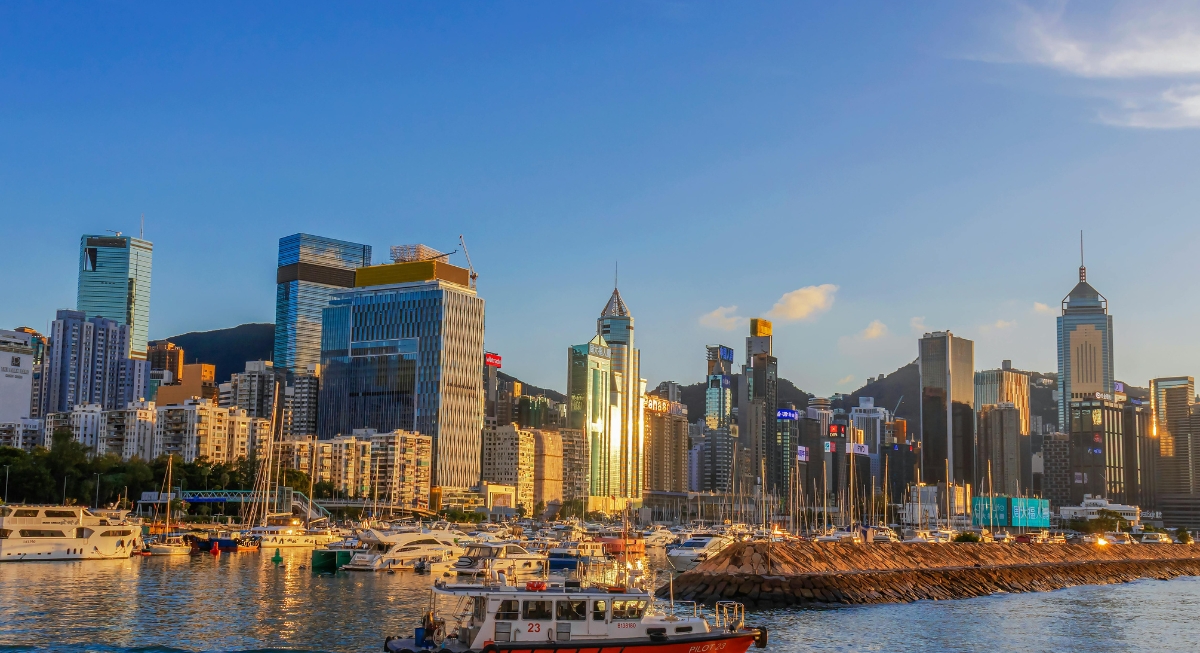
Hong Kong drivers pay $4.15 per liter, the highest gasoline price anywhere on the planet right now. That works out to roughly $15.65 per gallon, nearly four times the US national average of around $4.04 per gallon as of April 20, 2026, according to AAA. Hong Kong levies some of the steepest fuel duties in Asia, as all of it is imported and taxed before it reaches the nozzle.
Malawi
Credit: Wikimedia Commons
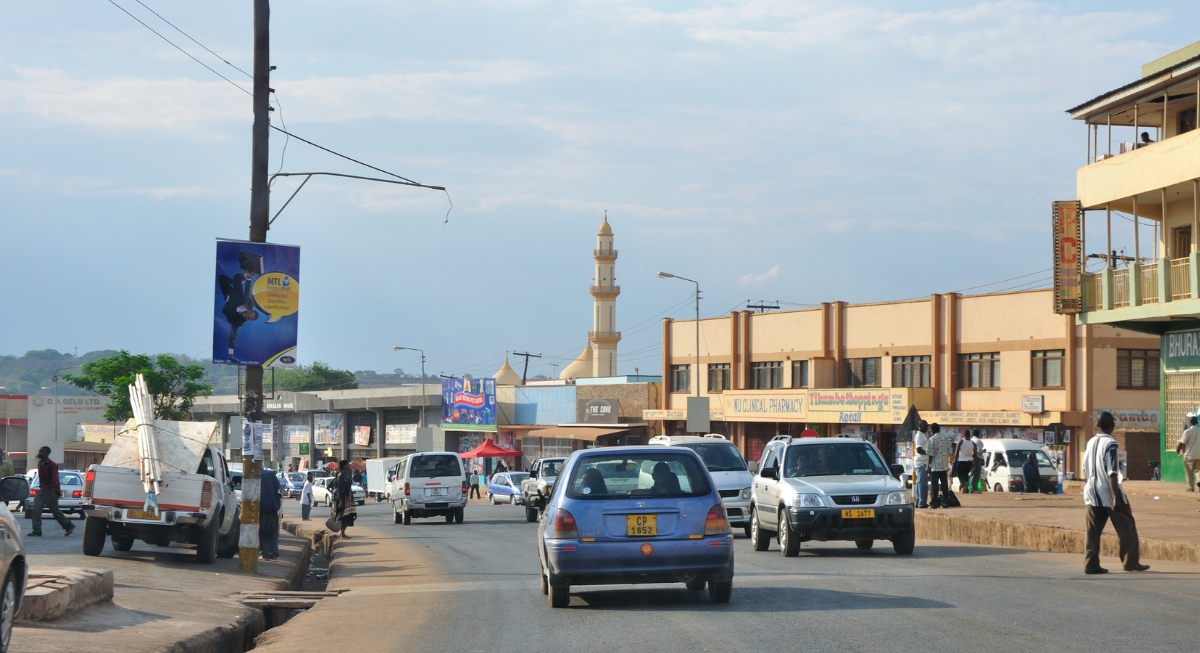
Imagine earning under $750 yearly and paying $3.83 per liter for gasoline. Malawi is a landlocked country with no oil reserves, and every liter of fuel must travel overland through other countries before arriving at a local pump. The Reserve Bank of Malawi devalued the local currency in 2023, further raising the cost of fuel imports.
Israel
Credit: pexels
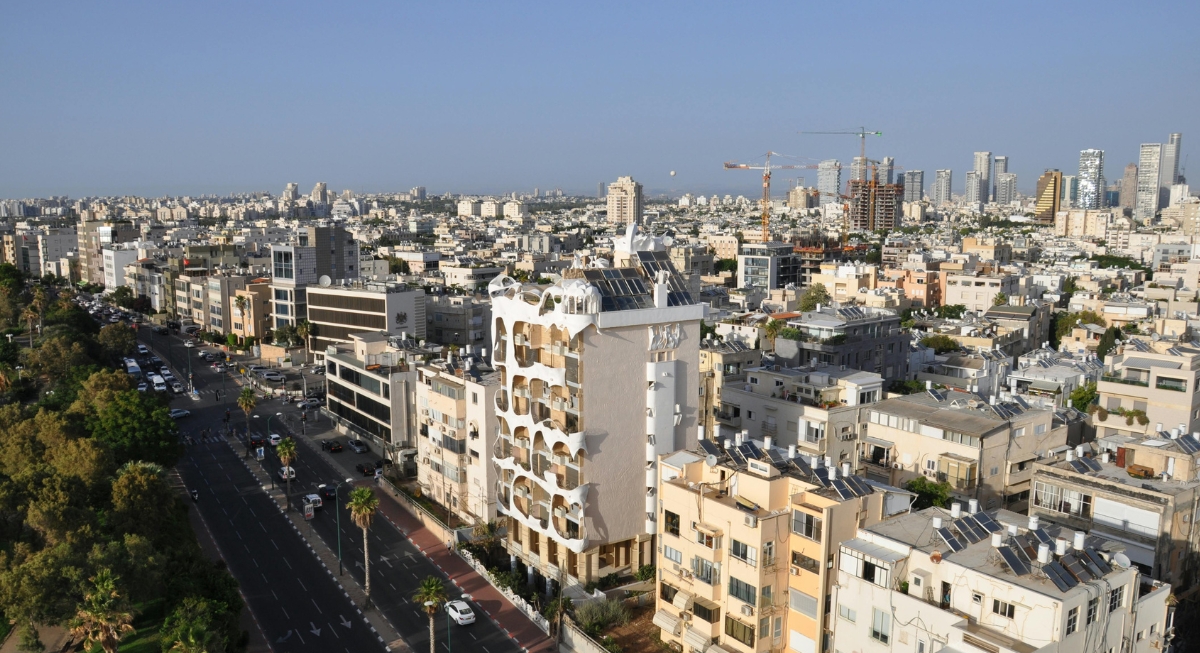
At $2.81 per liter, Israel has one of the region’s steepest fuel prices, driven partly by government excise taxes. This has led to a resurgence in electric vehicles. For instance, by 2024, EVs accounted for roughly 20 percent of new car sales. In April 2026, the Israeli Ministry of Energy and Infrastructure encouraged a shift to electric vehicles amid rising fuel prices.
Denmark
Credit: pexels
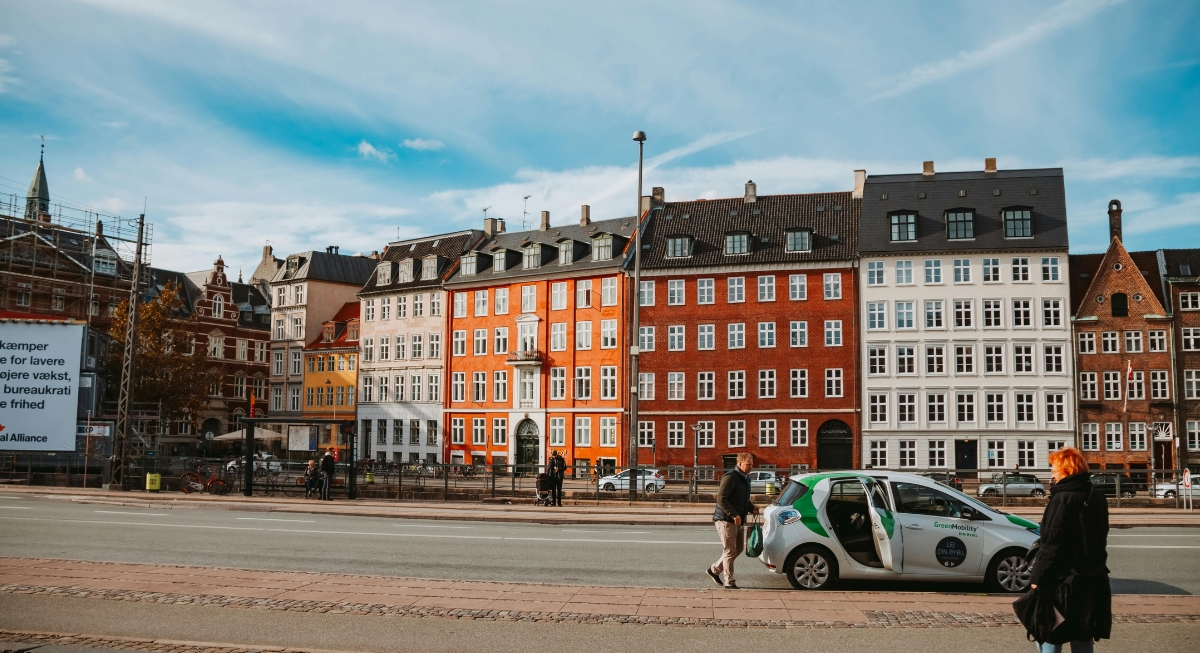
Denmark has some of the highest fuel taxes in Europe, and that is by design. The country is working toward a 70 percent reduction in greenhouse gas emissions by 2030 compared to 1990 levels. Copenhagen ranks among the world’s most bicycle-friendly cities, a position built on years of investment in cycling infrastructure. Danish drivers pay about $2.73 per liter.
Netherlands
Credit: pexels
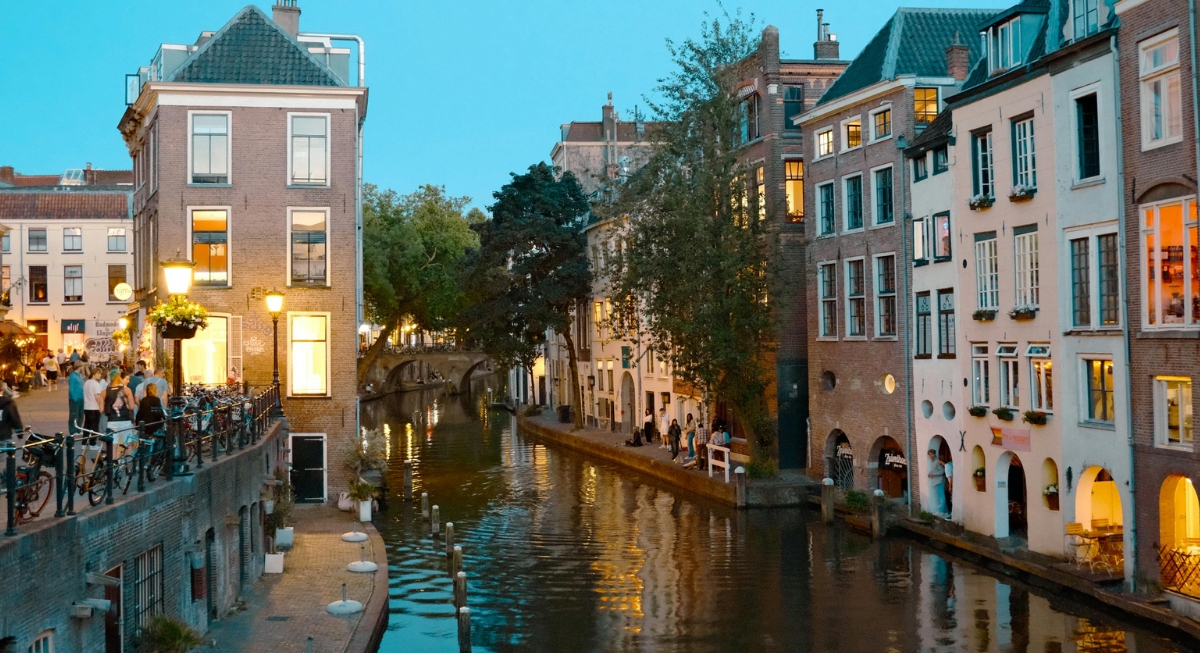
At $2.68 per liter, the Netherlands remains one of Europe’s more expensive places to fill a tank, and fuel costs have long been part of public and political debate. Rotterdam is home to Europe’s largest port and serves as a major oil refining and transit hub for the continent. Even so, that does not translate into lower prices at the local pump, as exports and other factors continue to shape domestic fuel costs.
Germany
Credit: pexels
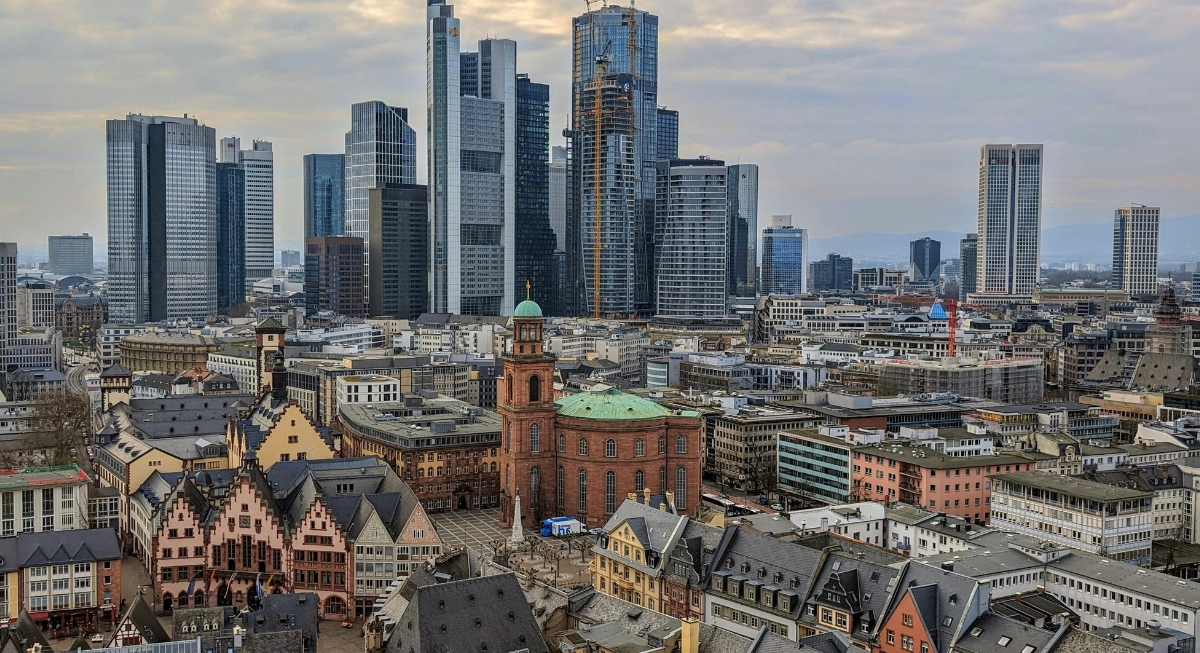
The country is home to BMW, Mercedes-Benz, Volkswagen, Porsche, and Audi, brands known for their high price tags, and fuel costs follow a similar pattern. Drivers pay about $2.45 per liter at the pump. Since 2022, Germany has worked to reduce dependence on Russian pipeline gas after the invasion of Ukraine disrupted Europe’s energy market. Russia has also signaled plans to cut off flows of Kazakh oil to a key German refinery from May 2026.
Albania
Credit: Canva
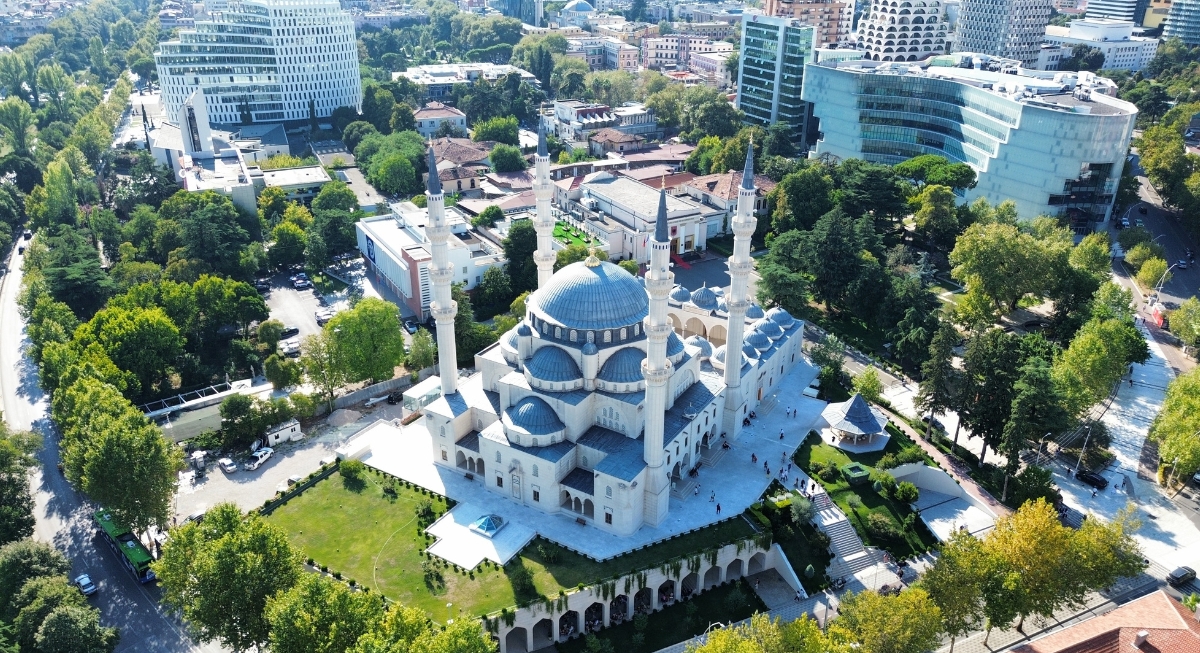
Albania might not be the first country that comes to mind when thinking about expensive gasoline, but at $2.44 per liter, it sits comfortably among the world’s priciest. It is also one of the countries with a regulated fuel market, where the government sets prices occasionally rather than letting them move with global oil markets. According to Tirana Times, Albania’s high taxation, VAT, excise, and carbon tax, among other factors, contribute to steep gasoline prices.
Singapore
Credit: Wikimedia Commons
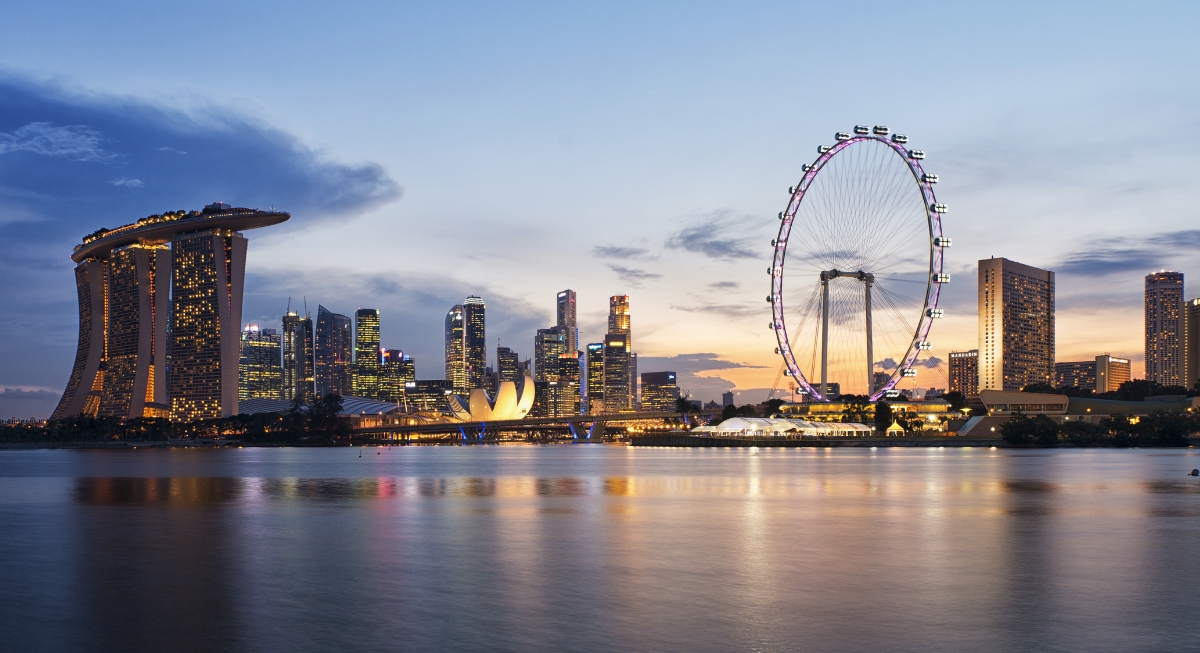
Owning a car in Singapore is one of the most expensive propositions in the world. Before purchasing a vehicle, a resident must obtain a Certificate of Entitlement, a government-issued permit that can cost more than SGD 100,000 (about $78,000) at auctions. Gasoline at $2.41 per liter almost becomes a secondary consideration at that point. The fuel price aligns with a long-standing national policy of making private car use economically unattractive.
Switzerland
Credit: Getty Images
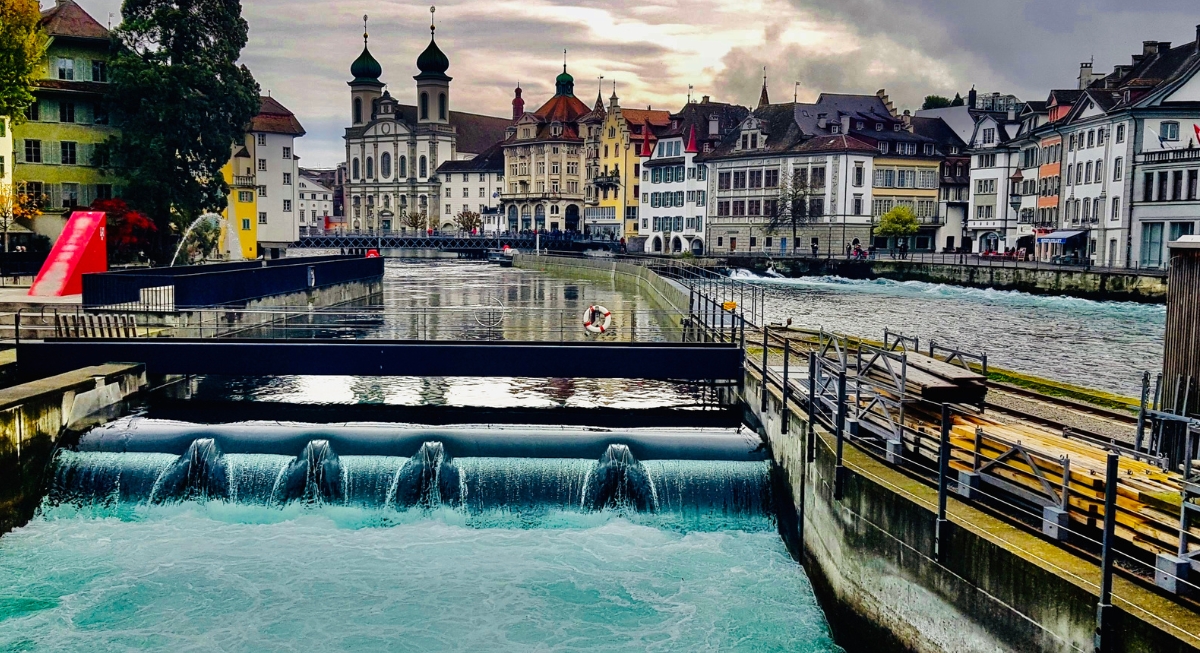
Switzerland has one of the most extensive rail networks in the world, with service reaching even remote Alpine regions. Part of the country’s mineral oil tax helps fund rail infrastructure through the Railway Infrastructure Fund. The broader push toward net-zero emissions has also supported a shift toward cleaner transport. Even so, gasoline prices remain high, with drivers paying about $2.40 per liter.
Greece
Credit: Getty Images
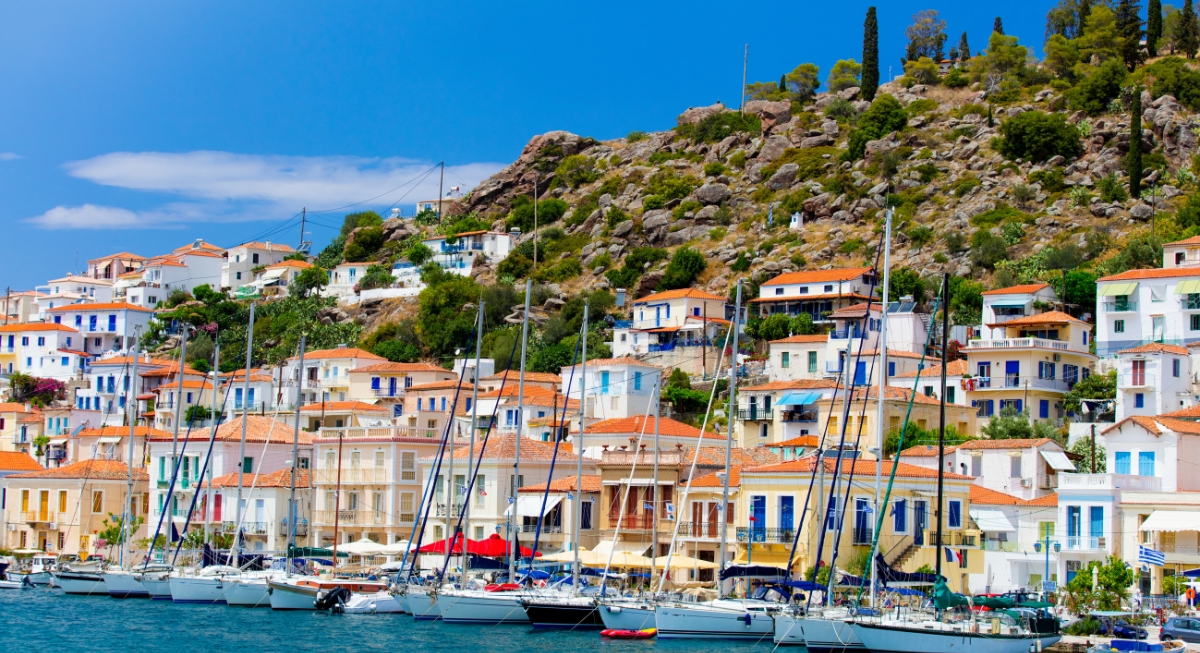
Outside the major cities, daily life often depends on having a personal vehicle. With widespread car ownership, fuel costs are a direct expense for many households. When prices surged across Europe after the 2022 energy crisis, the Greek government introduced relief programs to ease the burden. Some of those measures have since ended, and drivers now pay about $2.39 per liter at the pump, still well above the global average.