10 Rare Mercedes Cars That Have Become Nearly Impossible to Buy
A handful of Mercedes-Benz models have become so rare that even dedicated collectors struggle to locate them. They weren’t all meant to be legends. Some were small-batch experiments, others slipped into private garages before anyone realized how special they were. Decades later, they’ve turned into the kinds of cars people talk about more than they actually see. The models below earned that status for their own odd reasons, one chapter at a time.
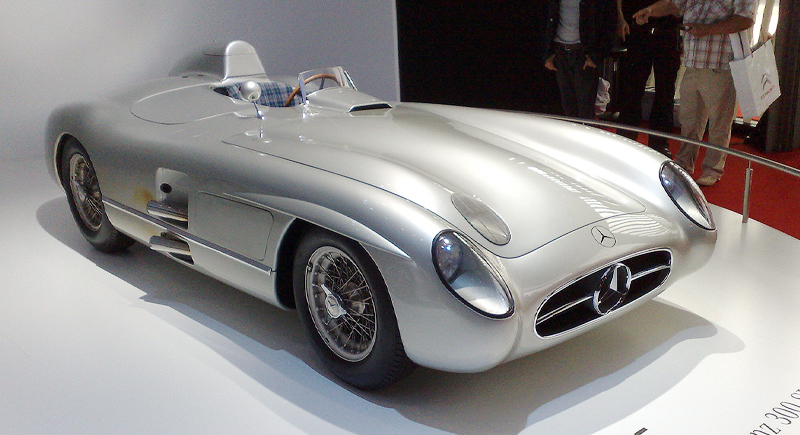
Mercedes-Benz 300 SLR W196S Uhlenhaut Coupe
Credit: Wikimedia Commons
The Uhlenhaut Coupe was built with racing in mind, even though it never entered competition. Only two exist, and Rudolf Uhlenhaut used one as his personal car. Its reported 180-mph capability was extraordinary for the time. When one sold for $143 million in 2022, it effectively disappeared from the market altogether.
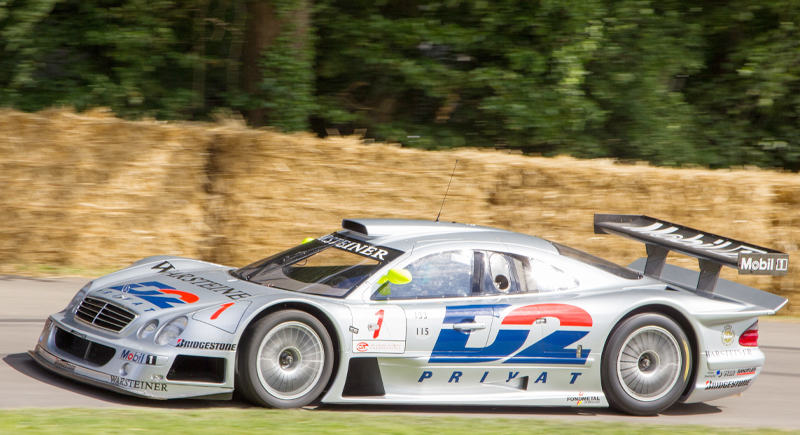
Mercedes-Benz AMG CLK GTR Strassenversion Super Sport
Credit: Wikimedia Commons
Regulations for the FIA GT Championship led Mercedes to develop road-going versions of its competition car. Among them, the Super Sport stands apart. Only two were built with the factory’s 7.3-liter V12 setup. Later conversions created similar performance figures, but the original pair holds a separate identity because they were configured that way from day one.
Mercedes-Maybach G 650 Landaulet

Credit: Wikimedia Commons
The G 650 Landaulet sits at an unusual crossroads between luxury transport and high-riding off-roader. Mercedes produced 99 units during 2017, all featuring a partly open rear section and a V12 engine. The model never reached the U.S. market, and its brief production run left little room for variation, giving each unit a fairly consistent specification.
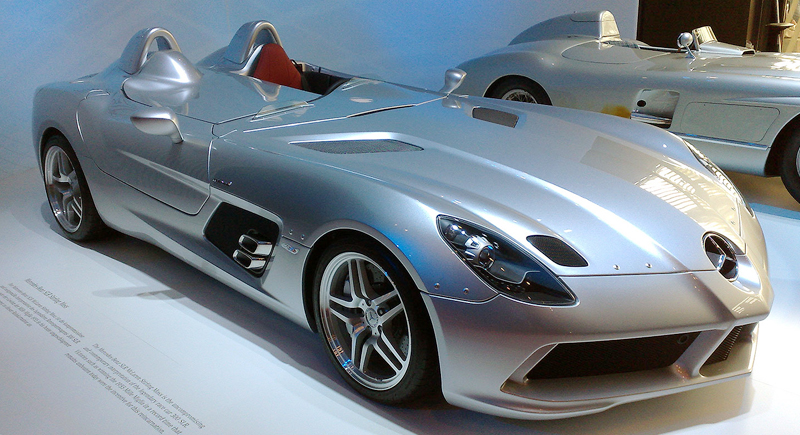
Mercedes-Benz SLR McLaren Stirling Moss
Credit: Wikimedia Commons
This edition paid tribute to Mercedes’ 1950s racing successes and drew heavily on past speedsters. With no windshield and extensive carbon-fiber construction, it created a driving experience far removed from the standard SLR. Production ended at 75 units in 2009. Many owners kept their mileage low, which is why examples tend to appear in well-preserved condition.
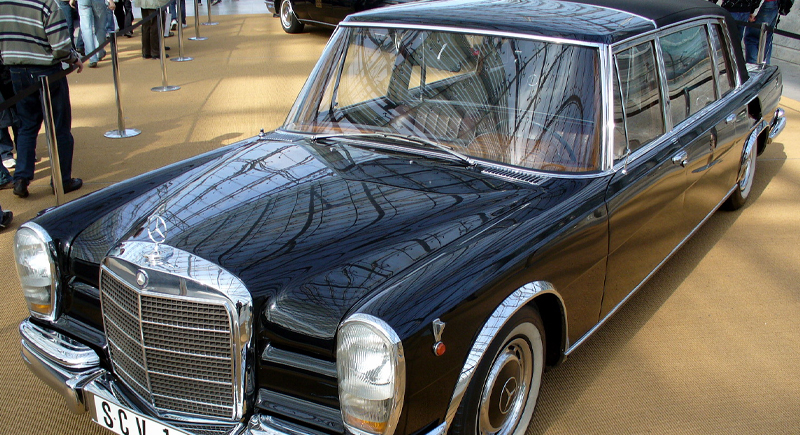
Mercedes-Benz 600 Pullman Landaulet
Credit: Wikimedia Commons
The Pullman Landaulet became known for its role in state ceremonies, not everyday use. Its long wheelbase and folding rear section were designed for official appearances, and only 33 were built. Most survivors remain in government or institutional collections, preserved as historical vehicles rather than driven.
Mercedes-Benz SL 73 AMG
Credit: Wikimedia Commons
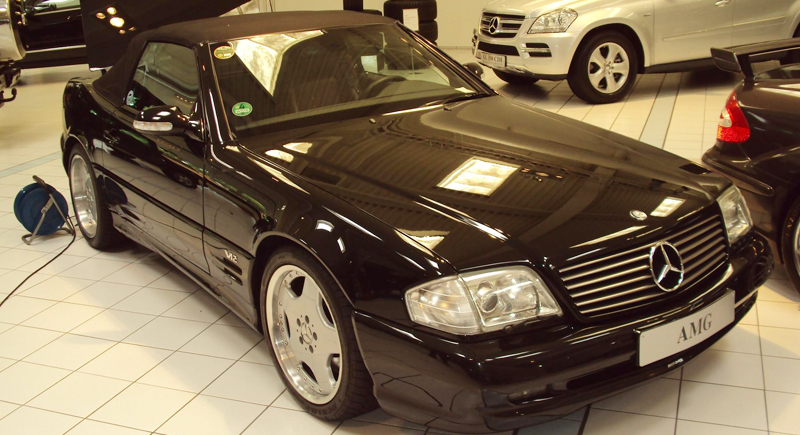
The SL 73 began as an SL600 before AMG enlarged the V12. The upgrade produced performance figures that felt unusual for a luxury roadster of its time. Production stayed limited, and the model didn’t receive much attention until years later. Interest grew once enthusiasts connected it to the engine lineage that later appeared in several Pagani models.
Mercedes-Benz S-Type 26/180 Sports Tourer
Credit: Facebook
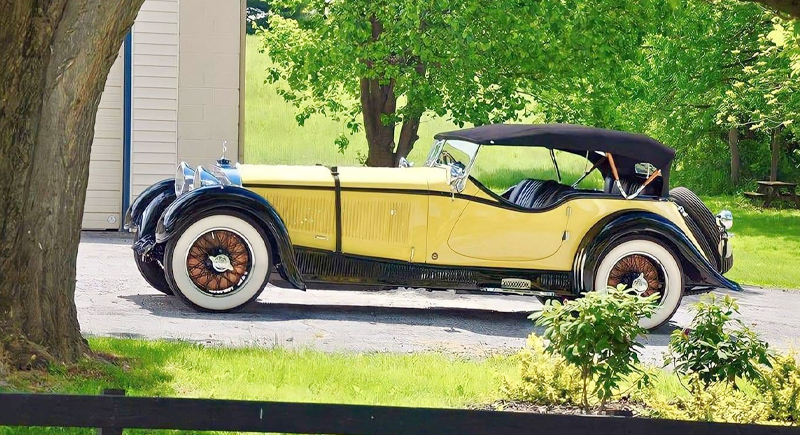
In the late 1920s, the S-Type stood out for its supercharger, which drivers could engage for quick bursts of extra power. The setup helped the car perform well in period competitions. Surviving examples often come with unusually detailed paperwork because many early owners entered events and kept records. Those documents now shape how each car is understood and valued.
Mercedes-Benz E60 AMG
Credit: Instagram
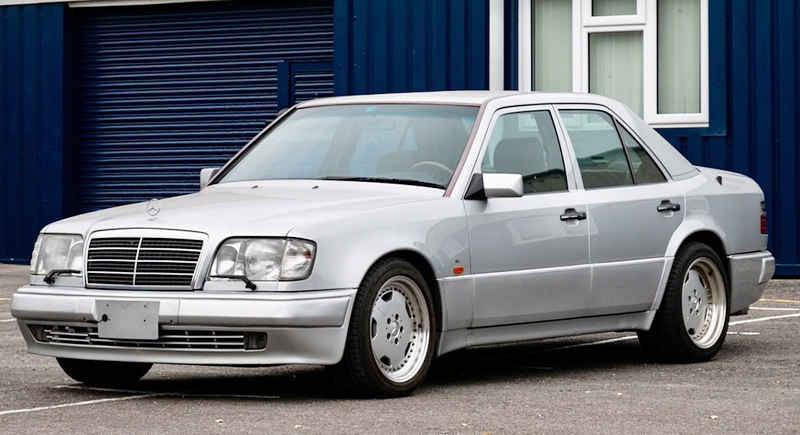
This sedan came from an era when AMG operated with greater independence and worked in small batches. The E60 began life as a 500E before receiving a larger V8 and revised suspension components. The result felt understated next to other performance cars of the 1990s. Enthusiasts later recognized it as one of AMG’s more disciplined builds from that period.
Mercedes-Benz AMG 560 SEC 6.0 Wide Body
Credit: Instagram
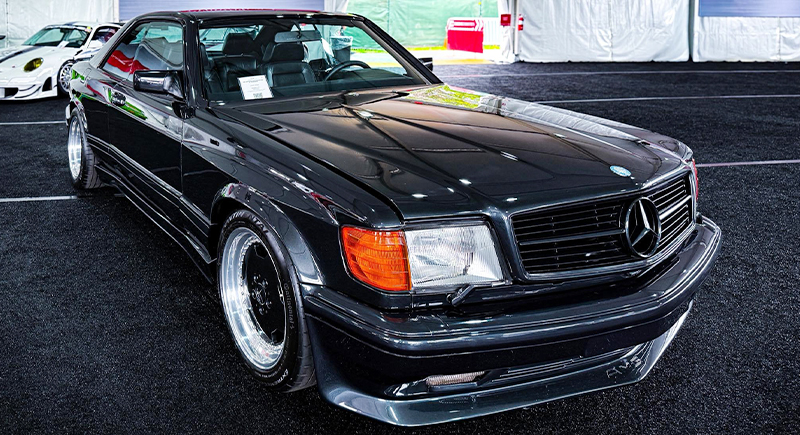
The 560 SEC 6.0 shows what AMG customization looked like before the brand formally joined Mercedes-Benz. Orders varied, so two cars built in the same year could wear different trim pieces or interior layouts. The wide fenders became the visual hallmark, but the appeal often comes from the bespoke touches created for each client.
Mercedes-Benz G63 AMG 6×6

Credit: Wikimedia Commons
The G63 AMG 6×6 marked a moment when Mercedes let engineering excess take the lead. With six driven wheels, portal axles, and a highly specialized chassis, it was never meant for wide production. Only a limited number were built, and most ended up in private collections where they were carefully stored rather than used. Aftermarket tuners later pushed the model back into the spotlight with high-profile custom versions.