
From sunrise trackers to private conservancy dinners, here's how affluent travelers experience a safari.
Trackers at First Light
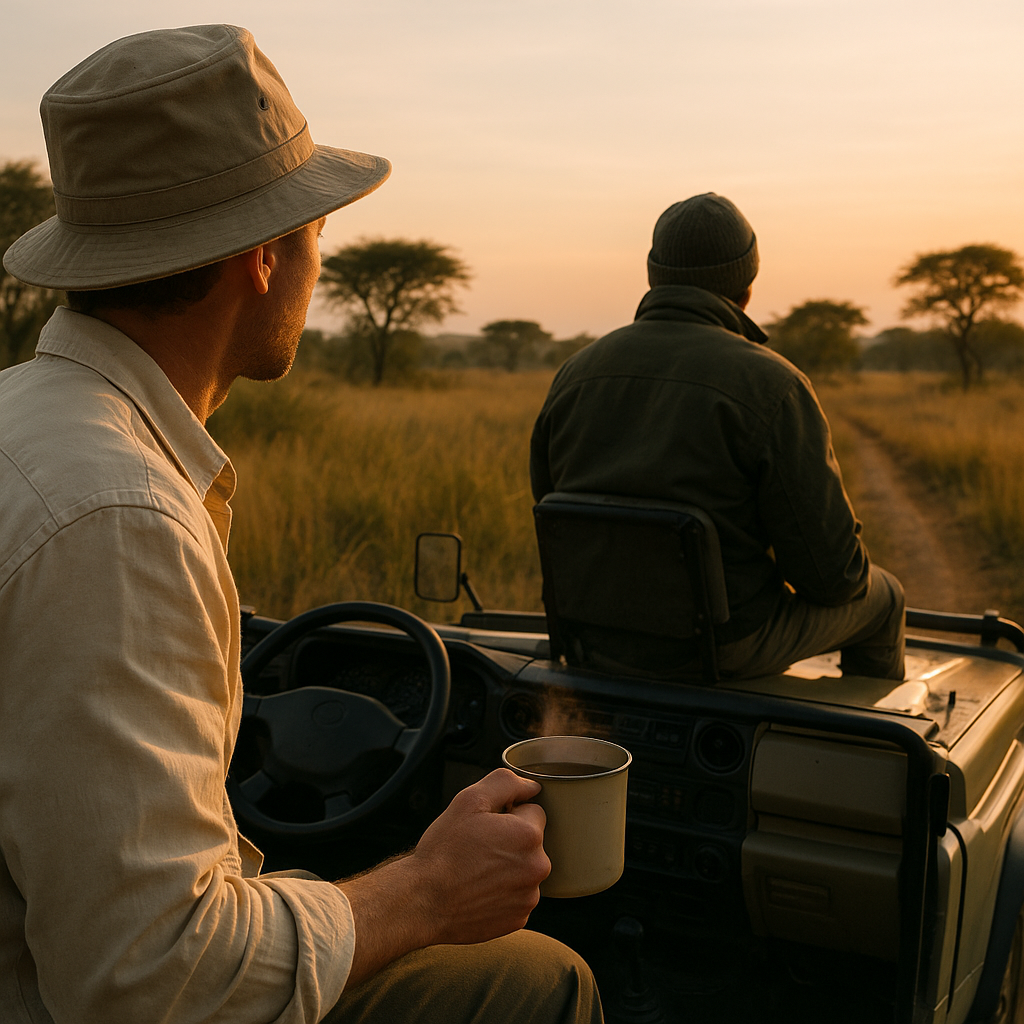
I used to think a safari was about the lodge: the plunge pool, the wine list, the perfect linen shirt that never meets actual dust. Then I did a proper first-light drive with a tracker riding the front seat, and I got why wealthy travelers keep paying for time slots, permits, and people instead of more stuff.
This is where paying for a skilled guide and tracker can change what you see and how you see it. A good guide will work within the conservancy's rules and help you avoid the traffic that can build up around a major sighting.
If you value memorable experiences over possessions, this is the kind of moment that stays with you. Your hands are wrapped around a mug of coffee that tastes slightly like the thermos, your knees are cold, and you're trying not to breathe too loudly while a guide whispers, "Look at the tail." Later, back at camp, everyone will ask what you saw.
Pay for the Small-Plane Hop That Saves the Best Hours
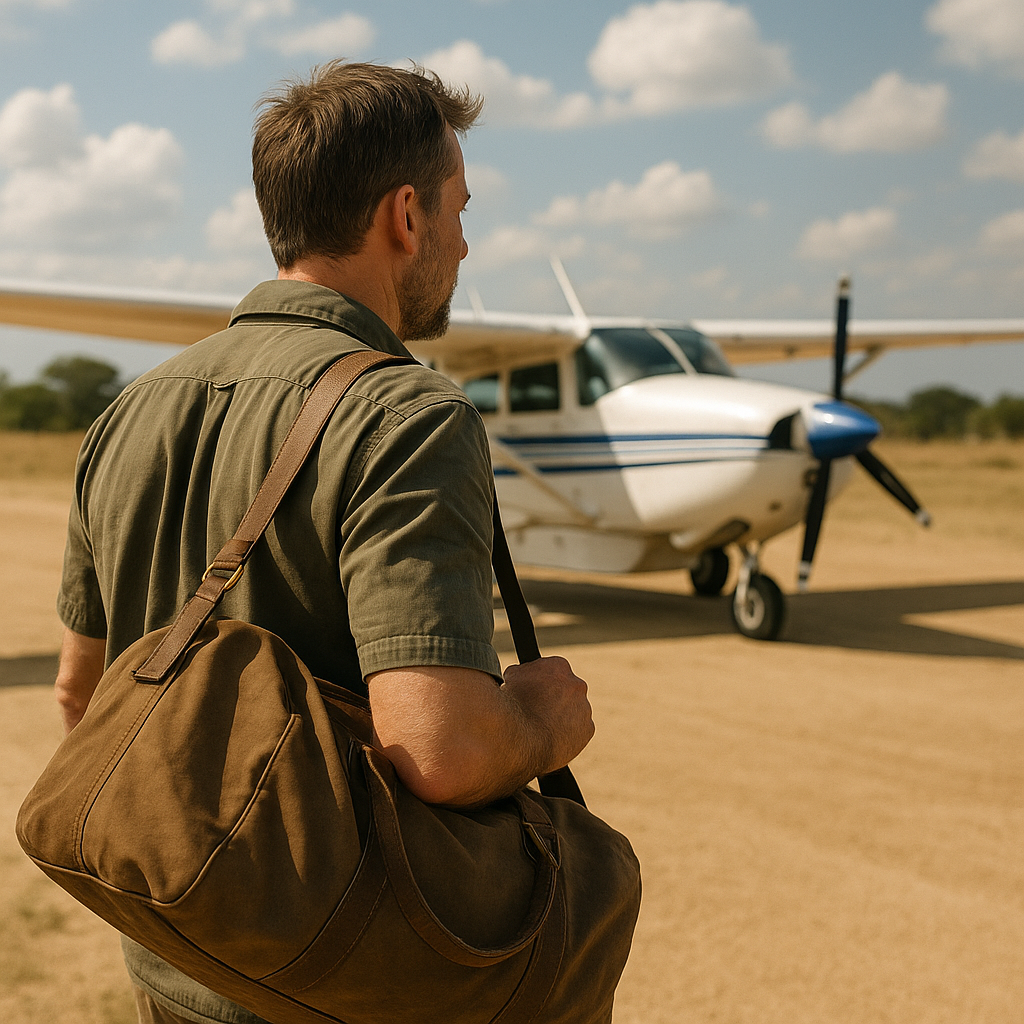
There's a specific kind of frustration that hits when you're staying at a beautiful camp and still spending half your waking hours in transit. It doesn't matter how good the leather seats are in a chartered SUV, or how many cold towels appear at checkpoints. If you burn your dawn and dusk windows on a long drive between regions, you miss the very thing you're there for. For travelers moving between remote camps, the small-plane transfer can be the practical fix: a little Cessna that looks like a toy on the tarmac.
I've done both. I've done the scenic drive that turns into hours of dust, cattle, and a late arrival when the light is already harsh. And I've done the small-plane transfer where you're in the air before you finish your bottled water. You feel the difference immediately: in the plane, the schedule stops being a negotiation. You land on a strip that is basically a flattened piece of savanna, the pilot keeps the engine running, and someone is already there with a radio and your name. Five minutes later, you're in an open vehicle, scanning the edges of the airstrip for jackals and birds of prey.
The value shows up in the small details. You see the patchwork of riverbeds from above. You realize how close the next ecosystem is, and why the animals behave differently a short distance away. You arrive with enough energy to care about the guide's briefing instead of just wanting a shower. That can leave you with more time for game drives, especially when you're hoping to see big cats, elephant herds, or a wild dog pack that's been on the move.
Gear-wise, this is also where you learn to travel like someone who's done it before. Paying for the flight is all about buying back the hours when the bush is alive, and your guide isn't apologizing for the clock.
A Conservancy Dinner With the People Who Decide What Survives
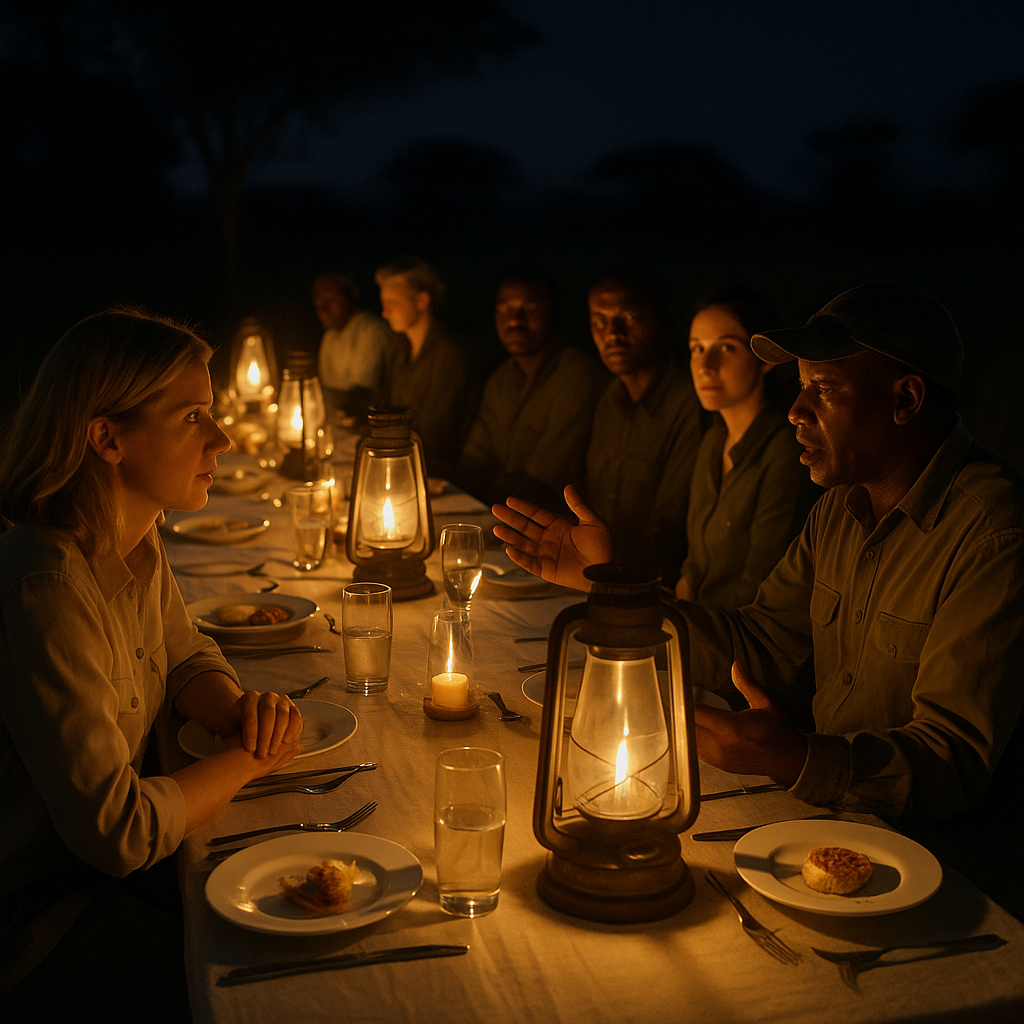
Somewhere between the second gin and tonic and dessert, safari luxury can slide into a bubble. You start talking only to other guests. You start rating sightings like you're reviewing restaurants. If you're the kind of person who's collecting experiences because you want a story that sticks, there's a better move: get yourself invited to a conservancy-style dinner with the people who run the place.
I did one in Kenya where the setting was pure cinema: lanterns, a long table, the night insects doing their static-in-the-grass thing. But the conversation was the point. The manager talked through vehicle limits and why the conservancy enforces them, particularly around high-profile wildlife sightings.
This is the part that turns an expensive trip into an experience you keep unpacking on the flight home. You start noticing the radio protocols and why guides don't crowd. You understand why certain roads are closed after rain, and why that isn't a hospitality issue; it's land management. When you go out the next morning, you listen differently, care about the tracks, and ask better questions.
If you're used to collecting objects, the instinct is to bring home something tangible. On safari, understanding how wildlife areas are managed can make the trip far more meaningful. It's also uncomfortable in a productive way. I've watched a very wealthy guest go quiet when a local staff member described what a snare does to an animal over the course of days.
And yes, the food was great. But the thing I remember most is the moment the generator cut out for a second and everyone paused, listening into the dark. Somewhere out there, a hyena whooped. The manager didn't flinch. He just kept talking about fences, corridors, and the long game of keeping a wild place wild.