10 States Where People Are Having The Most Trouble Paying For Their Homes
Buying a home has rarely been cheap, but recent years have pushed many household budgets to their limits. Mortgage rates remain elevated, and everyday expenses still take a sizable bite out of monthly income. Data from WalletHub’s analysis of mortgage delinquencies and the Census Bureau’s household finance surveys reveal that some states are feeling the strain more than others. These places stand out for rising mortgage payment troubles, growing financial stress, or both.
Vermont
Credit: Wikimedia Commons
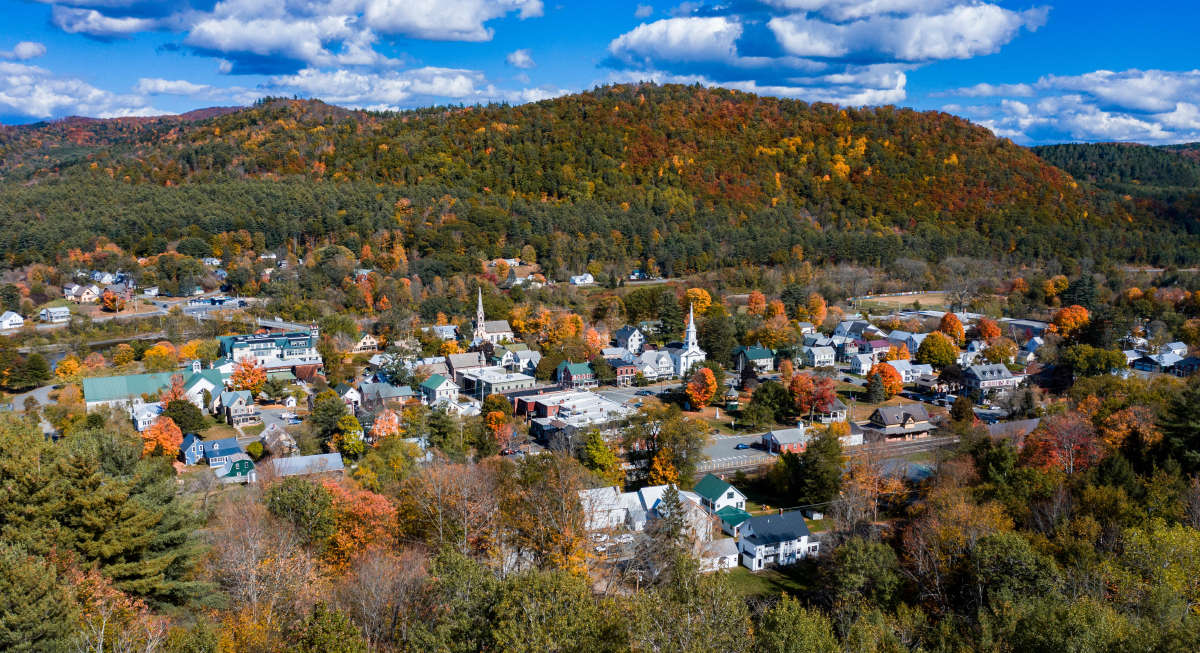
Vermont led the nation in one category few homeowners want to see: growth in delinquent mortgages. WalletHub found a 12.32% increase between the end of 2025 and the first quarter of 2026. Vermont is often associated with small towns, ski resorts, and a steady pace of life. Housing affordability has become a bigger concern in recent years as limited inventory and higher borrowing costs have changed the picture.
Delaware
Credit: Canva
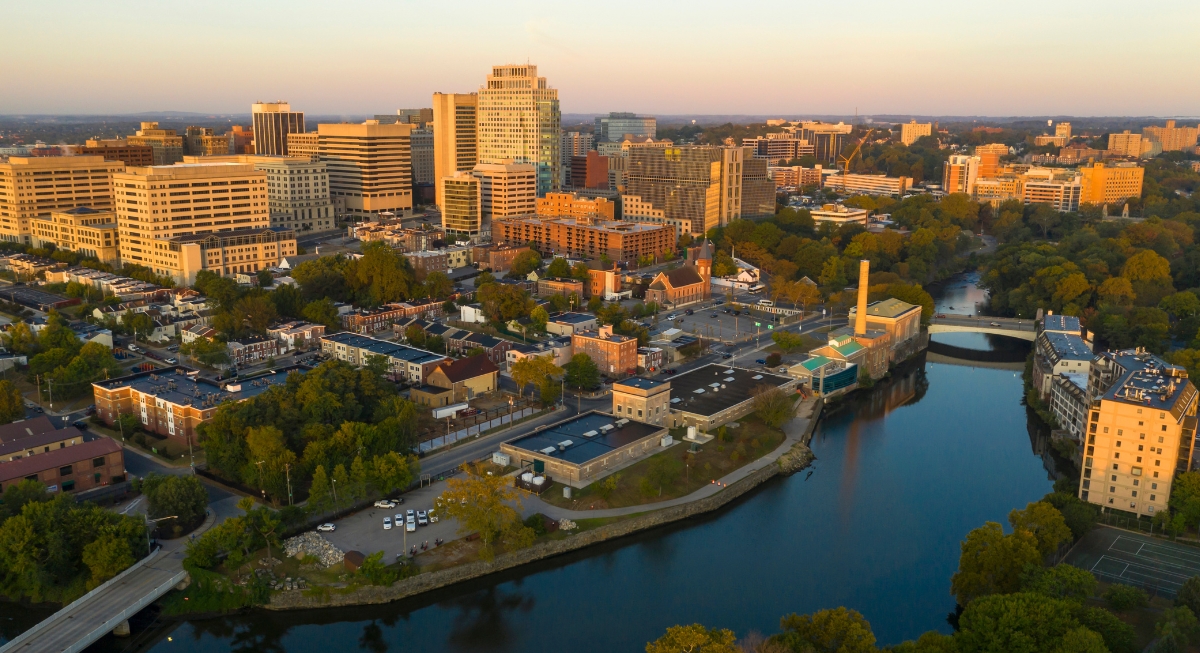
Delaware’s location near major job centers such as Philadelphia, Baltimore, and Washington, D.C., has helped keep housing demand strong. The state recorded a 6.92% increase in delinquent mortgages, the second-highest rise in the country. Delaware’s population is smaller than that of many neighboring states, yet its housing market has been pulled into broader regional trends.
Louisiana
Credit: Getty Images
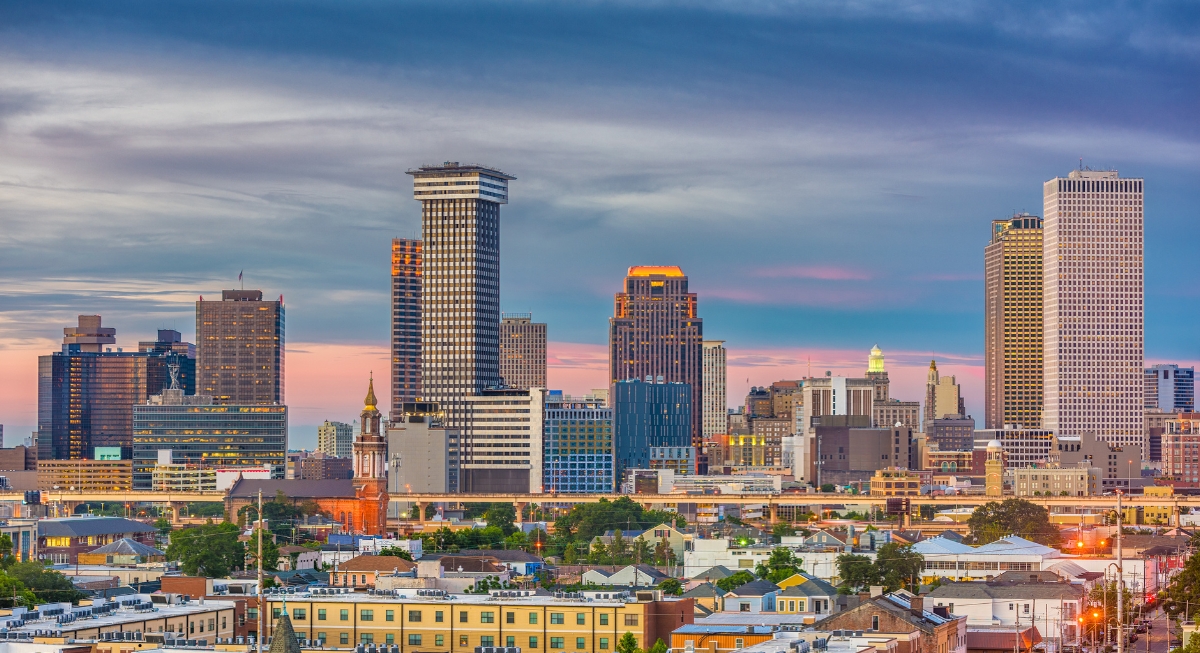
Louisiana posted the highest mortgage delinquency rate among the leading states in the WalletHub analysis. More than 14% of mortgages were delinquent during the first quarter of 2026. Homeowners face a combination of challenges that extends beyond mortgage payments alone.
Florida
Credit: Canva
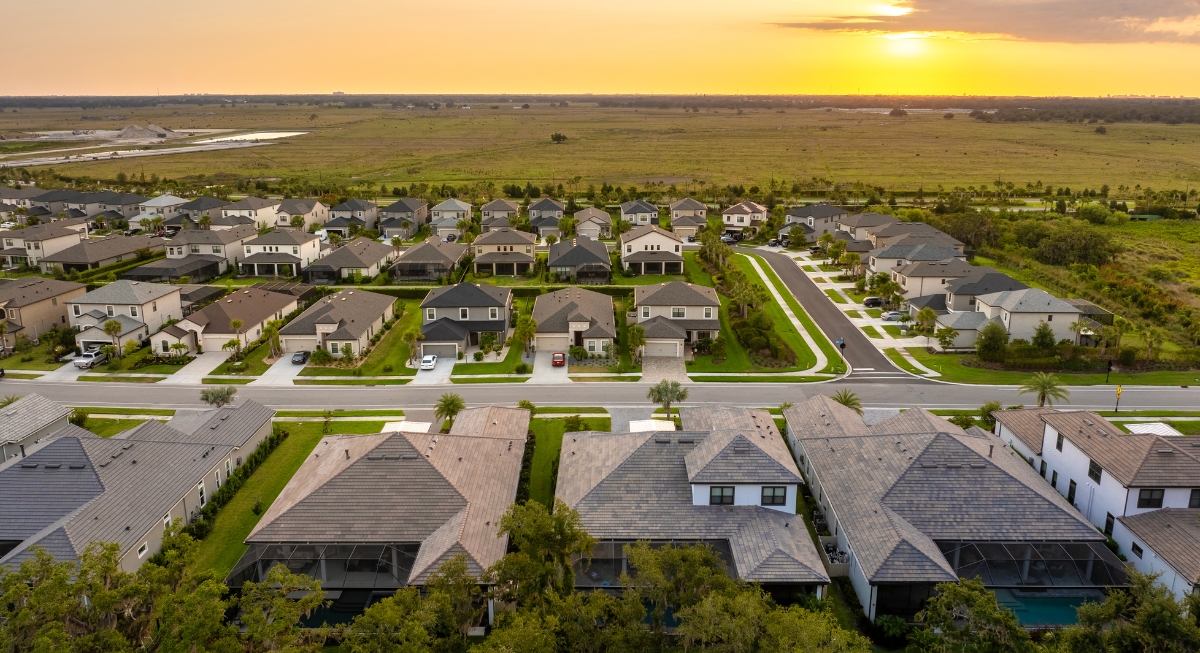
Florida continues to attract new residents, yet the state’s housing costs have become a growing topic of conversation. Mortgage delinquencies rose nearly 4% between late 2025 and early 2026. Insurance premiums have increased sharply in many areas, creating an added burden for homeowners.
Montana
Credit: Getty Images
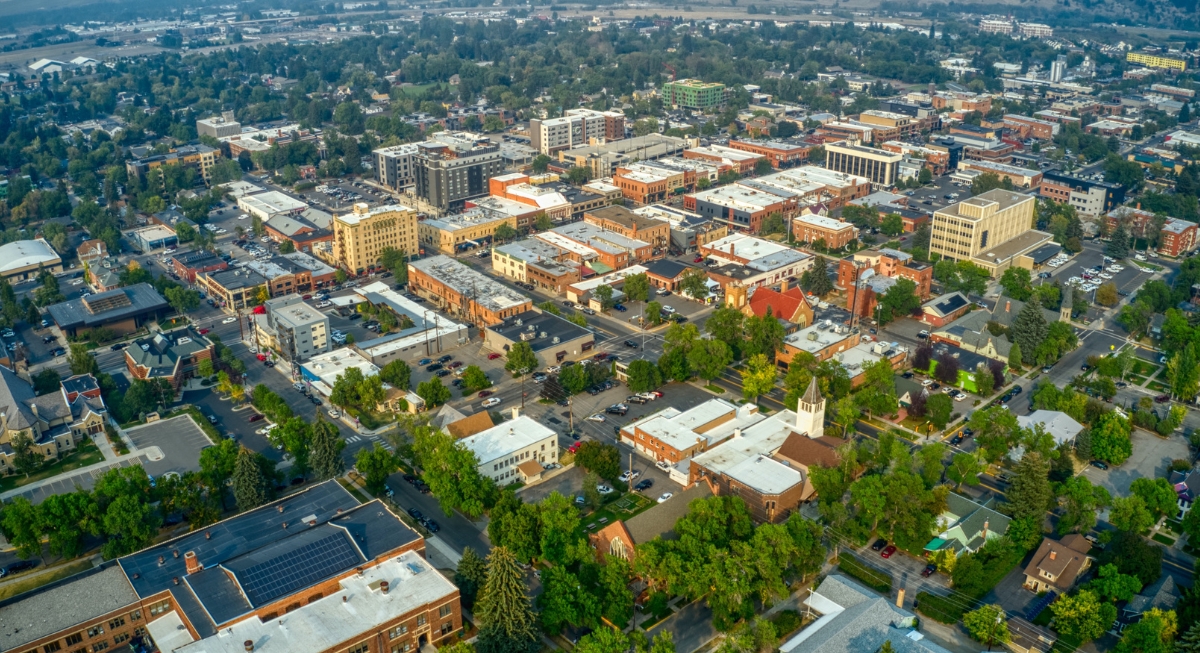
Housing in Montana moved at a relatively steady pace for years. That changed during the pandemic, when an influx of new residents pushed prices sharply higher in cities such as Bozeman and Missoula. Delinquency rates remain fairly moderate, but WalletHub’s findings suggest that rising home values and larger mortgages are putting greater strain on household budgets.
Texas
Credit: Getty Images
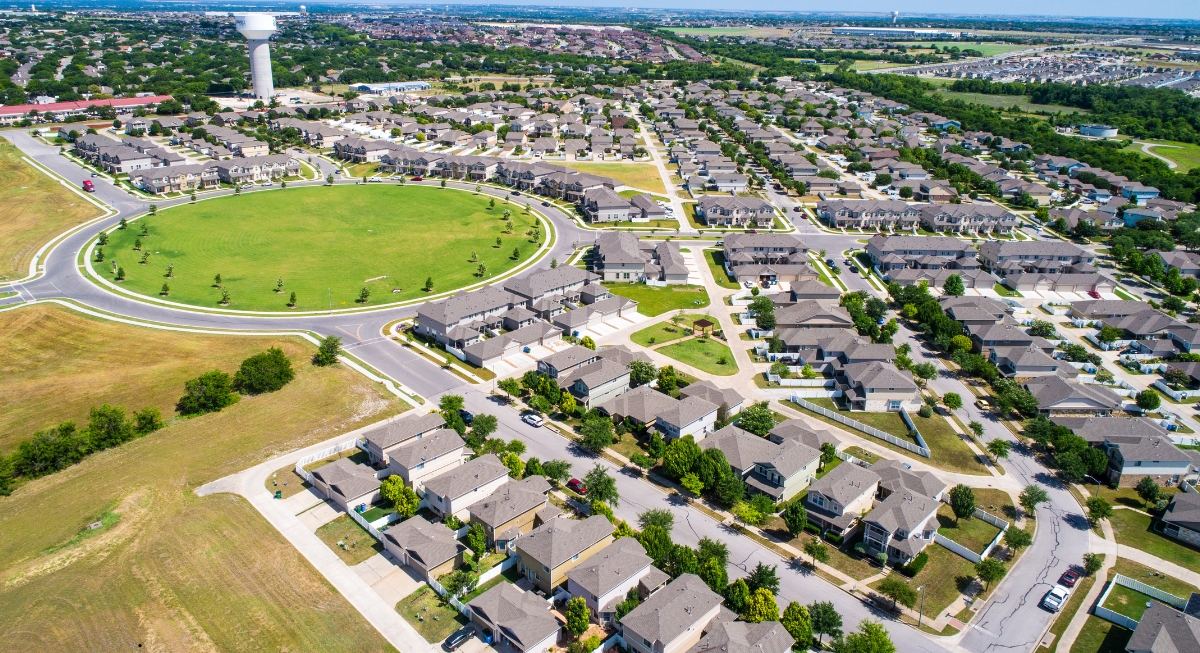
Everything may seem bigger in Texas, including housing-related expenses in certain markets. WalletHub found that delinquent mortgages increased nearly 3% between quarters. Texas also appeared among states where many residents reported difficulty covering household expenses in Census Bureau surveys. Rapid growth in cities such as Austin, Dallas, and Houston pushed home prices upward.
Alabama
Credit: Getty Images
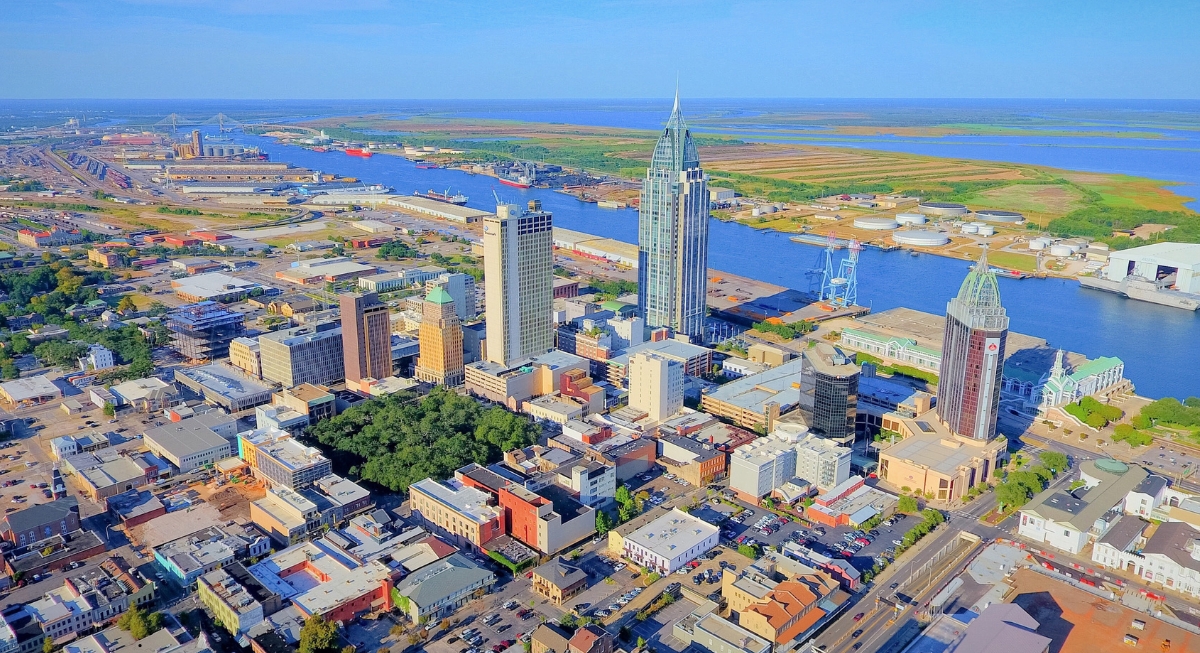
Alabama ranked among the states reporting the greatest difficulty paying everyday household expenses according to Census Bureau survey data. Housing prices in Alabama are often lower than national averages, yet affordability depends on income as much as home values. Families facing rising grocery bills, utility costs, and transportation expenses may find that a manageable mortgage becomes harder to keep current.
Mississippi
Credit: Canva
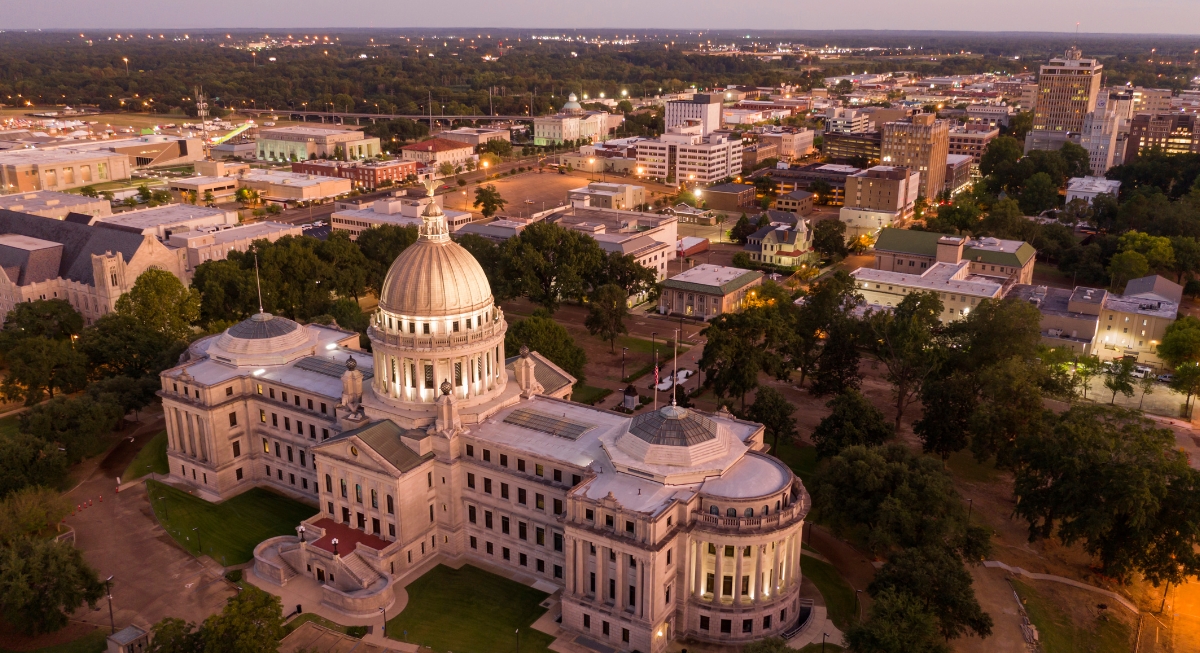
Mississippi presents an interesting case. The state reported one of the nation’s highest shares of residents struggling with household expenses, yet mortgage delinquencies actually declined during the period measured by WalletHub. Financial pressure remains widespread, and even small changes in monthly expenses can create challenges for family budgets.
Kentucky
Credit: Getty Images
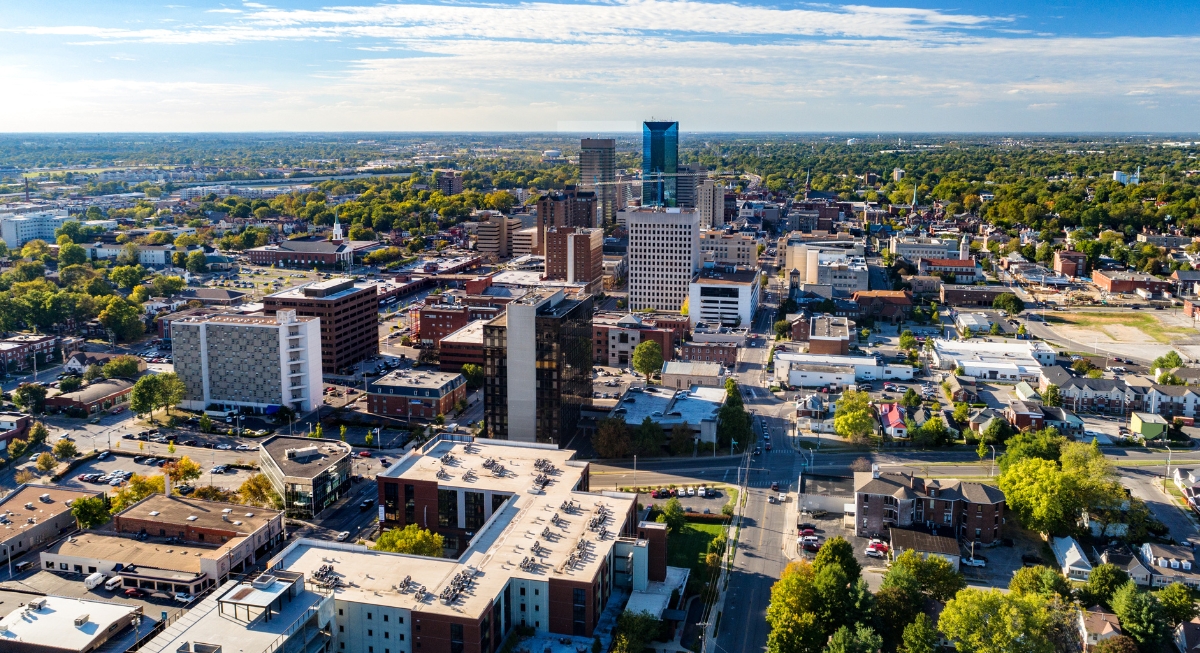
Mortgage payments compete with food, healthcare, transportation, and utility costs for space in family budgets. When inflation affects several categories at once, homeowners often have less flexibility to respond. The result is greater financial stress across many households.
South Carolina
Credit: Getty Images
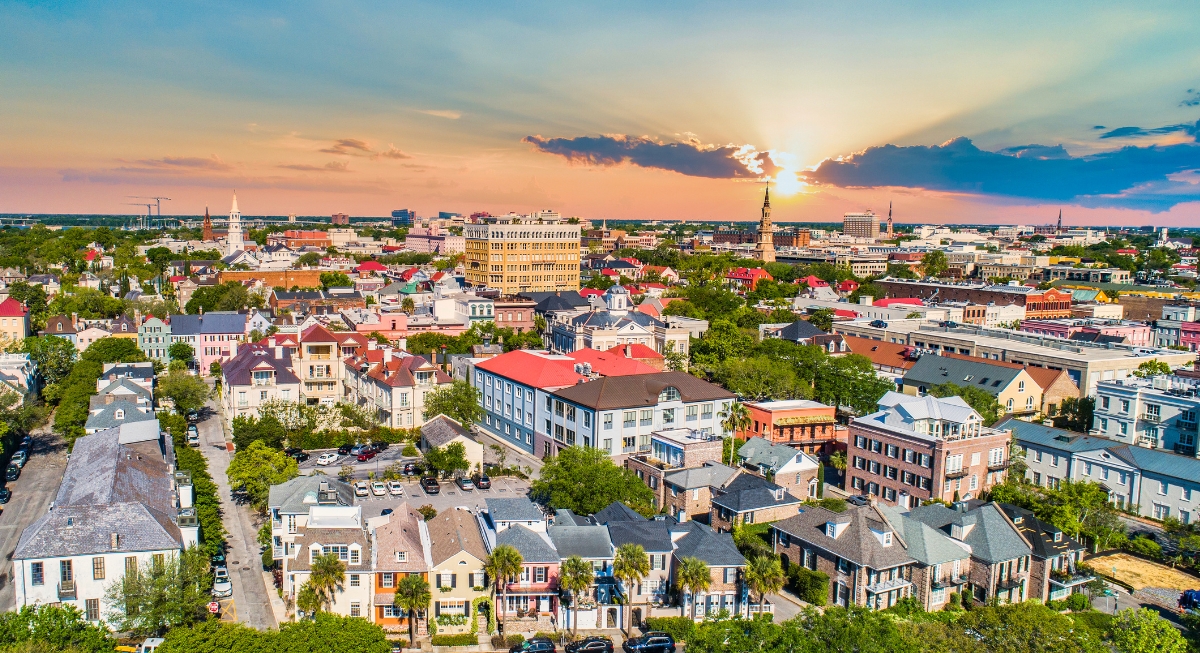
South Carolina rounds out the list after recording an increase in delinquent mortgages during early 2026. The state has experienced strong population growth and a busy housing market in recent years. Growing demand helped push prices higher in many communities. New homeowners who purchased during periods of elevated rates may face tighter budgets than expected.