Stop Overpaying the IRS With These Tax Strategies For Retirees
Retirement changes how money comes in, but taxes do not disappear. Income starts flowing in new ways through pensions, Social Security, and investment accounts, and each one plays by its own rules. Required withdrawals, income thresholds, and Medicare premium adjustments can easily raise what you owe.
Many people expect their tax bill to shrink once work ends. But the opposite can happen for retirees with strong savings or dependable pension earnings. On this note, thoughtful planning builds flexibility and protects long-term cash flow. You do not need complicated tactics, just informed decisions made at the right time.
Recognize Today’s Lower Tax Environment

Credit: Getty Images
In 1945, the top federal income tax rate climbed to 94%, and in later decades it reached 70%. Today, the highest rate is 37%. The 2017 Tax Cuts and Jobs Act lowered individual brackets, but those reductions are set to expire after 2025 unless Congress acts. Retirees who plan ahead can use these comparatively lower tax rates to their advantage.
Understand the Social Security Tax Formula

Credit: pexels
It is wise to review your combined income before taking additional withdrawals and calculate how those withdrawals will affect your Social Security benefits. Start by adding your adjusted gross amount, any nontaxable interest, and half of your Social Security benefits. If the total exceeds $25,000 for single filers or $32,000 for married couples filing jointly, part of your benefits becomes taxable.
Treat Tax-Deferred Accounts Realistically

Credit: Getty Images
Traditional 401(k) plans and traditional IRAs allow tax deferral during working years, which means contributions and investment growth are not taxed until funds are withdrawn. They also lead to large balances at retirement. Every dollar withdrawn later counts as an ordinary distribution. A one-million-dollar IRA does not represent one million dollars of spendable cash. The IRS claims its share at distribution.
Use the Early Retirement Window Strategically

Credit: Getty Images
You can take advantage of the years right after leaving work and before Social Security or pension payments begin. The taxable sum tends to drop during this stretch, which can open space in lower tax brackets. You can withdraw funds strategically or convert assets while rates remain manageable. This move reduces future Required Minimum Distributions and limits forced income in the future.
Monitor Income to Control Medicare Premiums

Credit: Getty Images
Medicare Part B and Part D premiums rise when income exceeds specific limits. The Income-Related Monthly Adjustment Amount system determines those increases. A steeper modified adjusted gross income results in more premiums for identical coverage. A large payout or conversion can push distributions into a higher Medicare tax bracket. That change can cost thousands of dollars annually.
Coordinate Withdrawals Across Account Types

Credit: Canva
People who plan their withdrawals in advance often protect a larger share of their retirement benefit payments. They start by reviewing their taxable brokerage accounts, traditional retirement accounts, and Roth accounts to understand how each one is taxed. Taxable accounts may trigger capital gains, traditional accounts create ordinary income, and Roth draws usually avoid federal income tax.
Approach Roth Conversions with Care
Credit: Getty Images
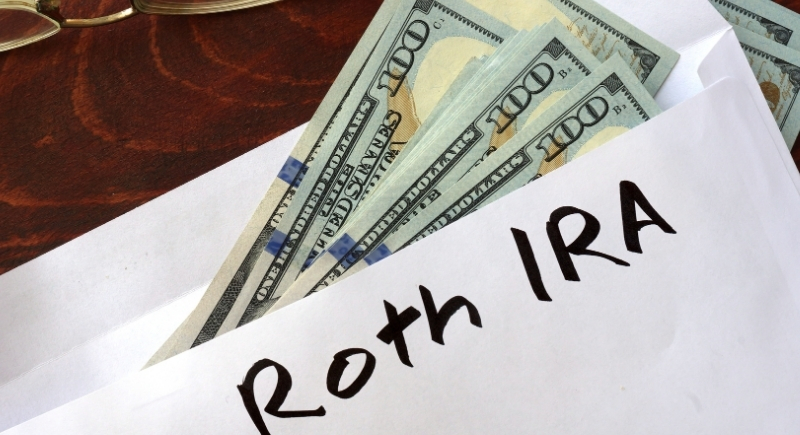
A Roth conversion moves funds from a traditional retirement account into a Roth account. You pay tax on the converted amount in that year. Future growth inside the Roth account becomes tax-free, and Roth IRAs carry no lifetime required distributions. This strategy works best when you calculate the full impact.
Prepare Early for Required Minimum Distributions

Credit: Getty Images
Most retirement accounts require annual payouts beginning at age 73 or 75. These Required Minimum Distributions increase taxable income each year after they begin. Larger account balances create larger mandatory withdrawals. A retiree with pension income and Social Security benefits could already sit in a moderate bracket.
Leverage Qualified Charitable Distributions Wisely

Credit: Getty Images
If you are age 70½ or older and already give to charity, you can direct up to $100,000 per year straight from your traditional IRA to a qualified organization. This Qualified Charitable Distribution counts toward your Required Minimum Distribution. The amount sent does not increase your adjusted gross income.
Plan Ahead for Spouse and Heirs

Credit: Getty Images
What many people do not realize is that tax consequences do not end with life. A surviving spouse is typically obligated to file as a single taxpayer, and single brackets reach higher rates at modest income levels. The survivor might only be able to keep the larger Social Security benefit and lose the smaller one.