
Three estate moves I wish I'd made earlier, explained using the binder-clip folder I update twice a year.
Start with a binder-clip folder, not a 40-page packet

I didn't get serious about estate planning until I watched a friend try to handle a hospital situation with nothing but a phone full of half-remembered passwords and a vague sense that a parent "had a will somewhere." The part that hit me was how little of the stress was legal. It was logistics. So I built a physical starter kit that forces me to keep it current: eight to twelve pages, clipped together with a binder clip, tucked where I can grab it in under ten seconds.
Here's what goes in mine, in this order:
- One-page summary: full legal names, DOBs, addresses, and who to call first (spouse, sibling, best friend, attorney). I add my employer and HR benefits line because life insurance and 401(k) paperwork is often the first real money that moves.
- Account map: a simple list of banks, brokerages (Vanguard/Fidelity/Schwab), credit cards, and where the statements land (mail, primary email, a shared Gmail). No passwords here. Just the map.
- Beneficiaries snapshot: a printout or handwritten list of the current beneficiary designations for 401(k), IRA, HSA, and life insurance. These beneficiary designations generally control who receives those accounts at death, rather than instructions in your will, although specific rules can vary by account type and marital status.
- "If I'm incapacitated" page: who you want making medical decisions and who handles money. This is the spot that pushes you toward a healthcare directive and a durable power of attorney when you're ready.
This is not a substitute for an attorney-drafted plan. It's the thing that keeps you from leaving your future self a scavenger hunt. I review it every January and July, and I also check it after open enrollment or any major benefits change, while the details are still fresh.
Beneficiary designations: the paperwork your will may not control

If you do one estate-planning task this week, make it this: log into every place that has a beneficiary field and confirm what's on file. Not in your head. Not in that dusty PDF you downloaded when you started the job. On file.
The reason I push this so hard for young professionals is boring and brutal: beneficiary designations on retirement accounts and life insurance typically transfer by contract. That can mean your will says one thing, but your 401(k) sends the check to the person you named in 2017 when you were living in a different city with a different life. If you changed jobs, got married, got divorced, had a kid, lost a parent, or opened an HSA, it is worth checking whether your beneficiary choices still match your current wishes.
My quick system is a 25-minute lap through the portals I already use:
- 401(k) and any old 401(k)s: your current plan provider, plus any rollover stragglers that still exist at a former employer. If you're not sure, search old emails and pay records, contact former employers, or use the U.S. Department of Labor's Retirement Savings Lost and Found database.
- IRAs and brokerage accounts: check whether you added a transfer-on-death (TOD) designation. Many people never click that tab.
- Life insurance: employer-provided group coverage and any term policy you bought on your own. Group life is the one people forget because it feels like a checkbox, not a real asset.
- HSA: It is not just a spending account. If you invest in it, it can quietly become a meaningful balance.
Two practical notes from doing this the hard way: First, take a screenshot of the confirmation page once you submit changes and drop it into your folder (or a secure digital vault). Second, if the portal asks you to name percentages, make them add up to 100% and write down what you intended. I've watched smart friends leave 1% unallocated and then wonder why the form wouldn't save.
This isn't glamorous, but it's the kind of maintenance that keeps your money behaving the way you meant it to.
The documents that matter during incapacity: POA and a healthcare directive
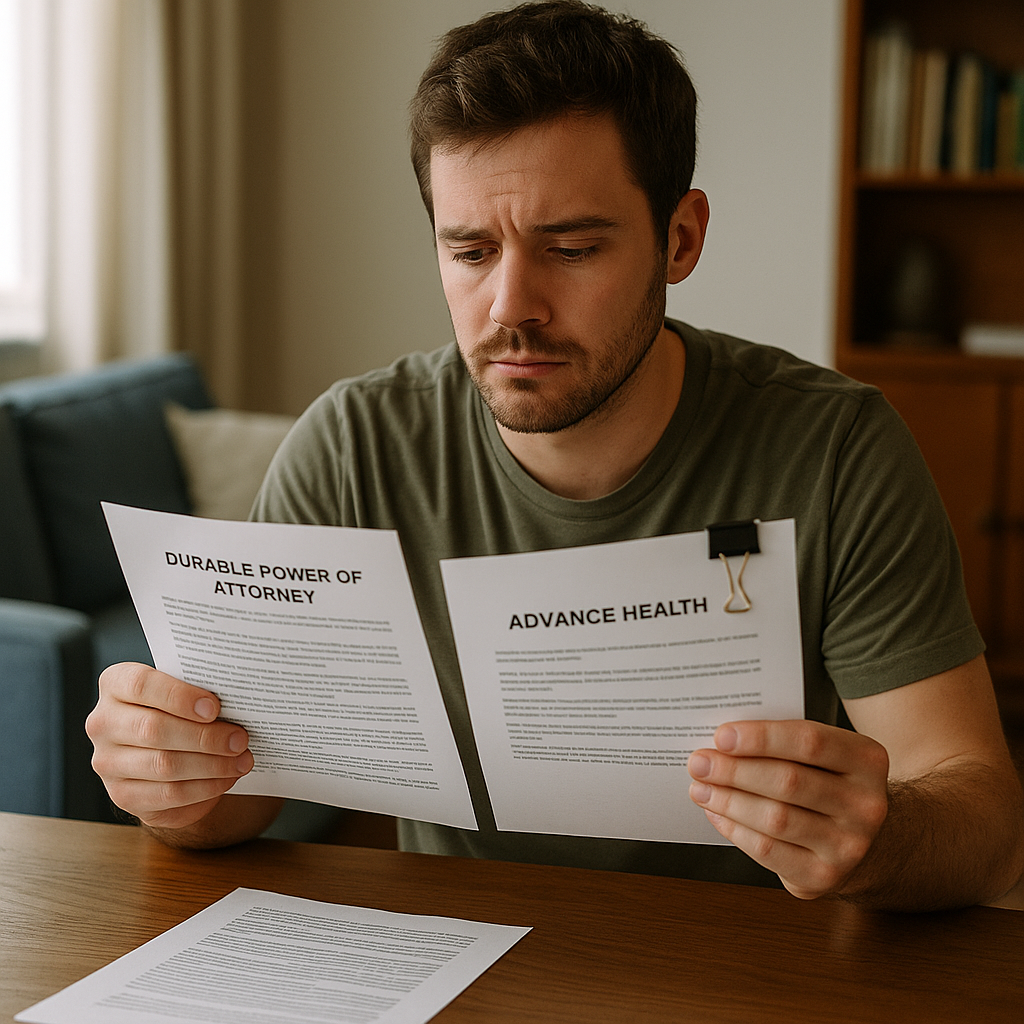
When younger professionals say, "I don't have enough assets for estate planning," what they usually mean is, "I don't want to think about dying." Fair. But the documents that matter most in your 20s and 30s aren't the fancy trust structures people argue about on finance podcasts. They're the papers that let someone you trust function when you can't.
Specifically: a durable power of attorney (financial) and an advance healthcare directive (sometimes paired with a HIPAA authorization, depending on your state and provider). I got mine done after a run of work travel, during which I realized how many small decisions require a signature, a login, or a human on the phone. It's not the dramatic stuff. It's paying rent if you're in the hospital, dealing with an insurance claim, rolling over a retirement account after a layoff, or signing a lease renewal when your brain is mush from medication.
What I wish I'd known before I met with an attorney:
- Choose the right person for each role. The person who's calm in a medical emergency may not be the person you trust most with financial details. I chose different people for those roles, but the right setup depends on who you trust and what your documents allow.
- Write down your non-negotiables. Not a manifesto. A half page. Things like: do you want every possible intervention, or comfort-focused care if prognosis is grim? Who should be in the room? Who should not? Clear written wishes can help your healthcare proxy and medical team understand what matters to you if you cannot speak for yourself.
- Make it easy to use. Copies matter. I keep a scanned PDF in a secure cloud folder and printed copies because hospitals and banks still love paper at the worst times.
One more thing people miss: if you move states, have your documents reviewed under your new state's laws, even if they remain legally valid. I treat a big move like a benefits change. It's a trigger to re-check the paperwork, even if it's just a quick call to the attorney's office to confirm what's still valid.
This is the unsexy part of building long-term stability, and it's the part I see high-achievers postpone until life forces their hand.