10 Ways the Ultra-Rich Prepare for the Apocalypse
Some of the world’s wealthiest people aren’t treating global instability as a distant possibility. They’re investing in backup plans shaped by climate threats, political friction, and a sense that public systems may not hold up in a real crisis.
This look at their preparations shows what that level of planning actually involves, from private medical setups to independent power sources and fortified hideaways designed to keep life functioning when everything else feels uncertain.
Luxury Bunkers
Credit: Yelp
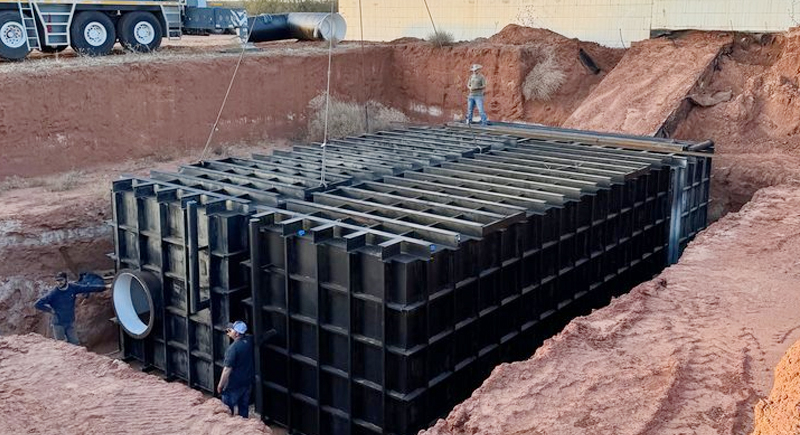
Across the United States and abroad, massive underground bunkers have become a core investment for billionaires seeking long-term survival. Builders like Ron Hubbard at Atlas Survival Shelters design spaces with sealed oxygen systems and steel-lined rooms that can accommodate families for extended periods. Some bunkers are so large that they include gyms or indoor shooting ranges.’
Secret Escape Hatches

Credit: Instagram
Many high-end survival homes hide their most important features behind ordinary walls. Companies like Creative Home Engineering in Arizona build fireplaces that swing open or phone booths that lower into protected rooms. SHH Architecture has even designed a residence where an entire art gallery doubles as a sealed refuge with its own air supply.
Medical Suites Inside Homes

Credit: iStockphoto
Health concerns following COVID-19 have prompted many wealthy homeowners to incorporate medical facilities within their homes. SAFE, run by Al Corbi and his wife Naomi, installs rooms similar to operating suites along with personalized pharmacies. Naomi Corbi explained that clients receive emergency medications plus training so they can handle their own care if outside help can’t reach them.
Full Entertainment Zones

Credit: Canva
Surviving the apocalypse in comfort is a theme among wealthy preppers. SAFE installs bowling lanes, theaters, and flight simulators inside underground spaces. If these rich clients are forced underground, they want them to enjoy it, which explains why some moats even double as jet-ski tracks.
Private Power Grids
Credit: Getty Images
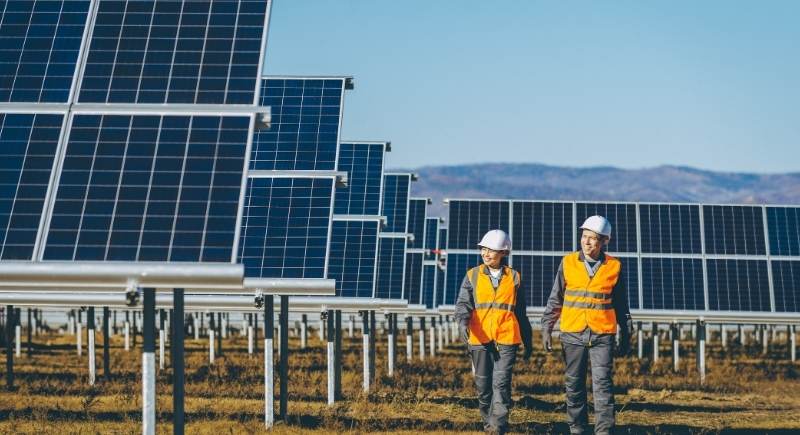
Solar arrays and industrial generators are standard in billionaire bunkers because they know outside power grids fail during storms, wildfires, and cyberattacks. They store fuel on-site and back it up with battery rooms designed to keep everything running for weeks. These setups keep them lit and functional even when the wider area goes dark.
Water Purification Systems
Credit: Getty Images
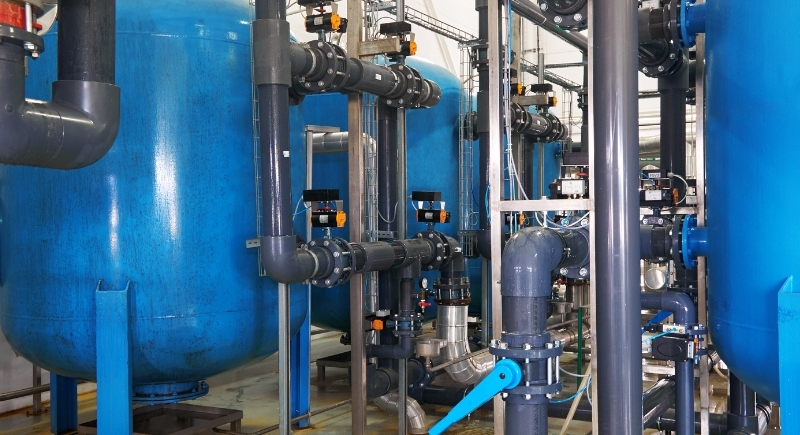
Clean water becomes a major concern during disasters, so wealthy preppers install filtration systems that can scrub contaminants and store thousands of gallons of water. Reports from survival builders show that these systems are built to run for long periods without outside maintenance, covering everything from drinking to decontamination.
Global Hideaways
Credit: iStockphoto
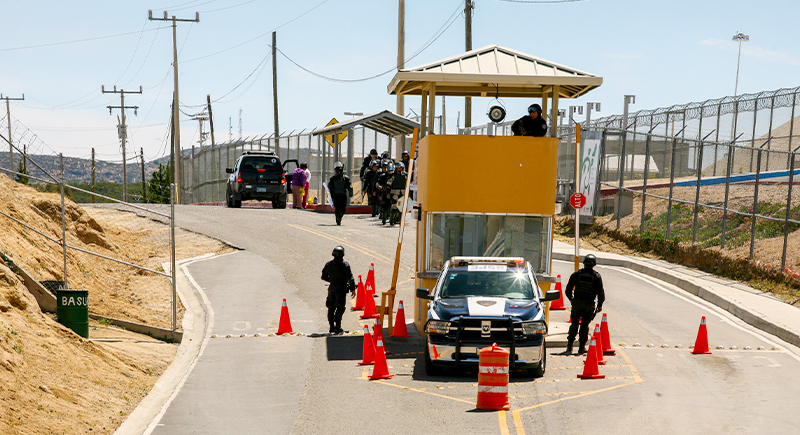
Some billionaires choose to escape to entirely different countries. The Guardian reported that Silicon Valley figures buy remote compounds in places like New Zealand because they see the region as stable. CNN also highlighted elite clients who pick massive wilderness estates in the U.S. so nobody can reach them without passing multiple security layers.
Food Storage That Lasts Decades
Credit: Canva
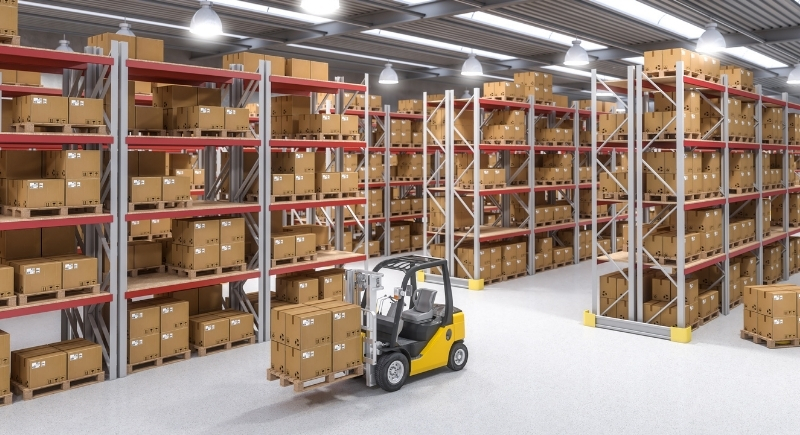
Long-term supplies are common in high-end bunkers, often stacked floor to ceiling with nutrient-packed rations. Builders like Hubbard say some clients request storage for enough food to last decades. These systems usually pair with hydroponic growing pods that let families grow greens without leaving the house.
High-Security Panic Rooms

Credit: iStockphoto
Fortified Estates builds panic rooms strong enough to resist bullets, sledgehammers, and forced entry for hours. Clients in cities like New York and Los Angeles often turn their master bedrooms into sealed units with biometric doors. Jon Harris explained that many clients prefer this to weapons because it gives them time to protect themselves until police arrive.
Skills Training and Survival Gear
Credit: Canva
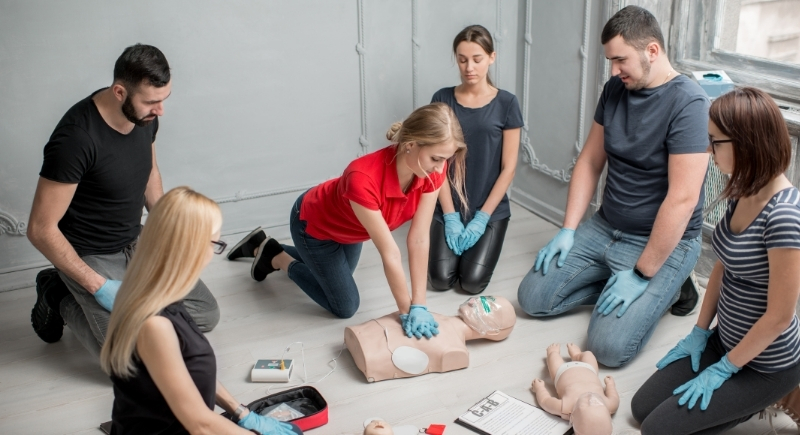
Even with millions in equipment, the wealthy still invest in survival skills. They take lessons in first aid, navigation, and emergency response because no amount of money helps if someone doesn’t know how to use the gear. The Nation noted that preparedness helps people bounce back faster during disasters, which explains why billionaires treat survival training as essential rather than optional.