10 Strategic Failures That Could Erase Your Wealth in 2026 and How to Avoid Them
Losing money in the market isn’t always about choosing the wrong stock. It often comes down to decisions like selling in a panic, chasing trends without understanding them, or investing without a clear plan. With ongoing geopolitical pressure, stubborn inflation, and rapid changes driven by AI, it’s easier for emotions to shape decisions. These are 10 strategic mistakes that can erode wealth in 2026, along with how to avoid them.
Letting Fear and Greed Run the Show

Credit: pexels
Emotional decision-making has historically cost investors significantly, and behavioral finance research supports this. Average investors underperform market benchmarks over time, partly due to poorly timed emotional trades. A written investment plan with preset rules reduces the influence of emotion on the investment strategy. Rebalancing on a schedule rather than reacting to headlines keeps the portfolio working according to logic.
The Market Timing Trap

Credit: Getty Images
Holding cash while waiting for the perfect entry point often feels like discipline, but it can cost more than it saves. Data from the S&P 500 shows that missing just the 10 best trading days between 2003 and 2022 would have cut returns by more than half, according to J.P. Morgan Asset Management. A more consistent approach is to invest at regular intervals so your money stays active rather than sitting on the sidelines.
Thinking “Diversified” Means Safe

Credit: Canva
Multiple ETFs can give the impression of diversification, but many track the same underlying stocks. In the S&P 500, the top ten companies accounted for roughly 36-37% of the index by late 2024, leaving portfolios tilted toward a small group of large-cap names. That concentration showed up during the 2022 tech correction. True diversification comes from exposure to different regions, industries, and asset classes.
Chasing Returns Without Understanding the Risk

Credit: pexels
A focus on hitting a specific return without weighing the risk behind it can lead to choices that are not fully understood. Products like leveraged ETFs, structured notes, and certain crypto instruments have burned many retail investors who focused on headline gains and ignored how they actually work. A clearer approach comes from understanding what can go wrong, not just what might go right.
Holding No Cash Buffer

Credit: pexels
Three to six months of living expenses in a low-risk account provides stability when markets turn volatile. Guidance from the Consumer Financial Protection Bureau and financial planners supports this baseline because it reduces the need to sell investments during a downturn. Without a cash buffer, short-term pressure can lead to rushed decisions at unfavorable prices, especially when credit conditions tighten across the economy.
Ignoring Personal Financial Reality

Credit: Getty Images
A 30-year-old building long-term wealth and a 58-year-old planning to retire in four years have almost nothing in common when it comes to appropriate risk. Copying a strategy from a podcast or a high-net-worth friend sometimes ignores variables such as time horizon, income stability, tax situation, and personal tolerance for volatility. A better investment strategy is one tailored to individual circumstances.
The Disposition Effect

Credit: Canva
Selling winners too early and holding losers too long is one documented pattern in investor behavior. Researchers Shefrin and Statman covered it in a 1985 paper, “The Disposition to Sell Winners Too Early and Ride Losers Too Long: Theory and Evidence.” Gains feel good to lock in, and losses feel unbearable to admit. If this behavior is left unchecked, the portfolio accumulates underperformers while its best positions get sold prematurely.
Treating ETFs as a Guaranteed Safe Harbor
Credit: pexels
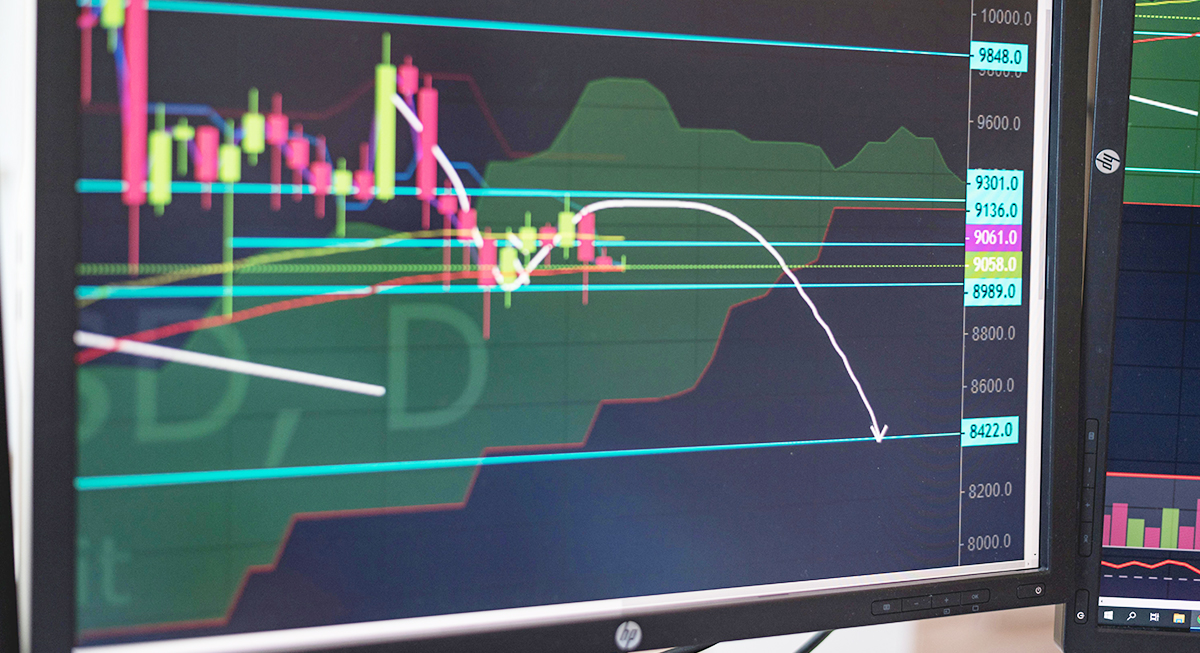
The S&P 500 dropped approximately 34% between February and March 2020. The iShares Core U.S. Aggregate Bond ETF lost roughly 13% of its value in 2022 alone. ETFs did not cushion either of those moves. Instead, they track whatever the underlying market does, including the steep drops. Low fees and accessibility are advantages worth appreciating, but even well-chosen ETFs inside a poorly structured portfolio still produce poor outcomes.
Misunderstanding What Gold Actually Does

Credit: Canva
Gold crossed $4,000 per ounce in 2025, and the rally attracted a wave of individual investors. World Gold Council data pointed to sustained central bank buying, particularly from emerging markets hedging against currency and sanctions exposure, as one driver of that price movement. A small allocation to gold as a portfolio buffer has a logical purpose, while a larger one introduces a different kind of concentration risk.
Overlooking Less Market-dependent Investment Options

Credit: pexels
Some asset classes move independently of the stock market. Litigation finance, for example, is tied to legal outcomes rather than market cycles, and research in the Journal of Alternative Investments highlights its relatively low correlation with public markets. For portfolios heavily exposed to market swings, exposure to uncorrelated assets can reduce overall volatility, even though these options carry their own risks.