
From prop replicas to forgotten trading cards, I keep seeing the same three pop-culture triggers flip the price tag overnight.
The reboot bump hits before the premiere
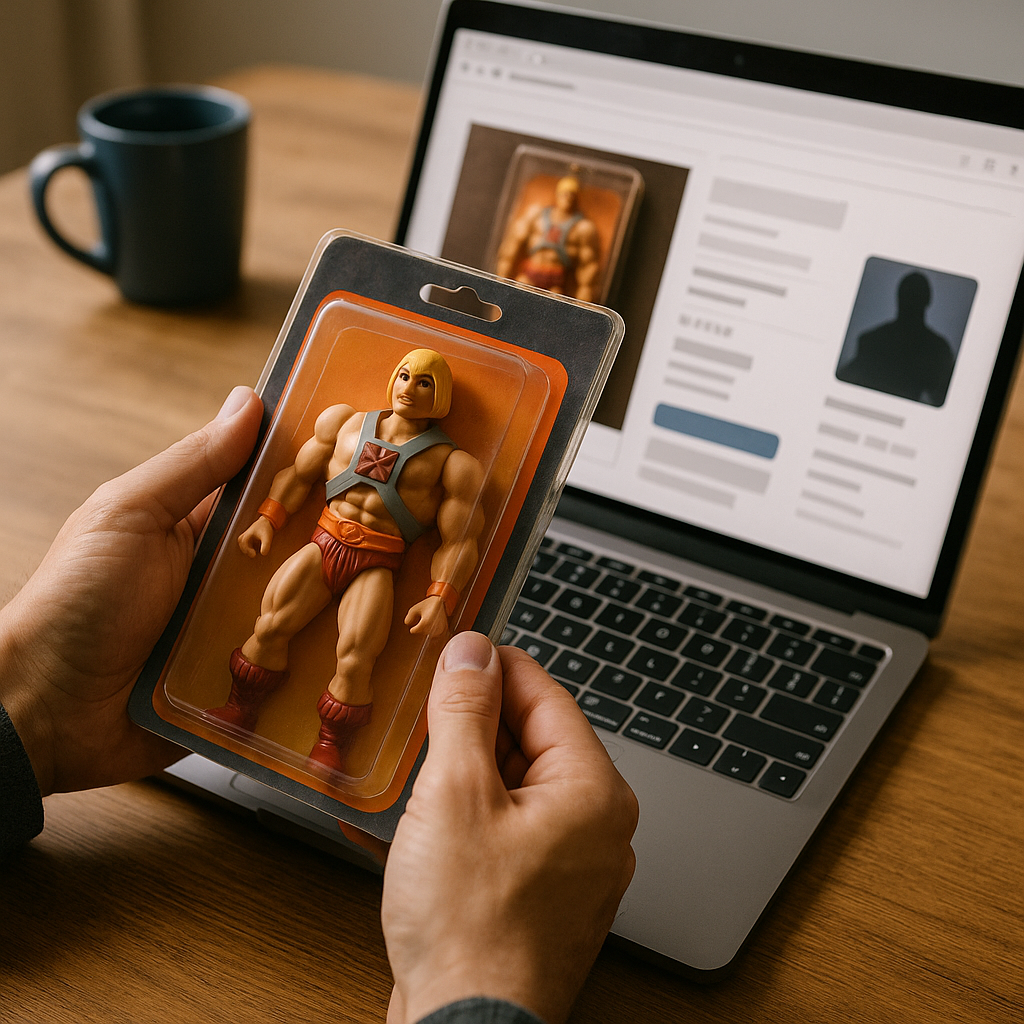
I learned to stop waiting for the release date. The money moves when the first clean image hits, the one that makes people go, oh, they're bringing that back. A teaser drops, a casting rumor lands, a studio posts a single still, and suddenly the dusty corners of a fandom wake up. You can watch it happen in real time on eBay completed listings: last month a boxed toy sat at $45 all day, then a reboot trailer shows the exact silhouette, and by the weekend the same box is getting bid into triple digits. It isn't always because the item got rarer. It's because the pool of buyers got emotional and impatient at the same time.
If you're trying to reassess what a piece is worth, I don't start with a generic price guide anymore. I start with a timeline. When did the IP announcement hit? When did the first trailer land? When does the show or film premiere? Then I look at what part of the franchise is being emphasized. A reboot that spotlights a specific character makes that character's card, figure, or tie-in merch feel urgent, even if the rest of the line stays flat. And it gets weirdly specific. I've seen one accessory in an action-figure set go nuts because the reboot made it a signature prop.
The other thing the reboot bump does is punish anyone who grades value based purely on age. New demand doesn't care that your item is from 1998 if the new series is using a 1998 design language as a wink. That is why collectors are reassessing. We're not just tracking scarcity. We're tracking what the culture is about to talk about, and whether your item is the one that will show up in the trailer freeze-frames and TikTok edits.
When a background prop becomes the main character
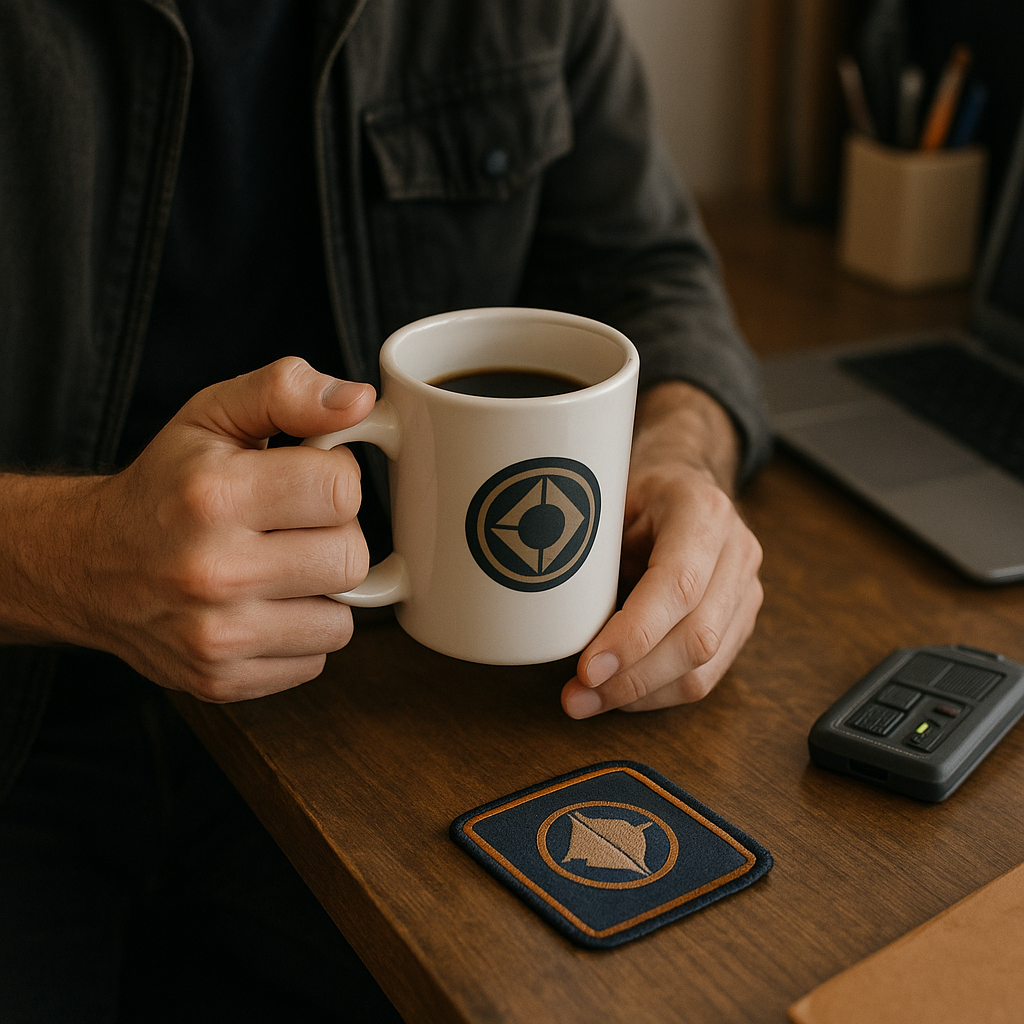
Every few years, something that was basically set dressing turns into the item everyone wants. Not the hero's jacket. Not the headline vehicle. It's the mug, the patch, the weird little gadget on a desk that the camera lingers on for two seconds. Then the internet does what it does: screen caps, Reddit ID threads, a thousand comments arguing about the exact version, and suddenly there's a market for an object that was never marketed as anything.
That shift forces a different kind of value check. If you've been collecting long enough, you probably have a box of oddball tie-ins: promotional pins, convention freebies, store exclusives that felt minor at the time. When a prop becomes a micro-obsession, those minor items stop being minor because they match what people are trying to recreate. Cosplayers and replica builders don't care that the pin was a throw-in. They care that it's the right shape and the right enamel color. That's where you see the jump in demand for things like limited-run patches, specific-era keychains, or even the packaging itself if the art matches what shows up on-screen.
Here is the part I handle with more caution now: authenticity and labeling. A pop-culture spike is when misidentified listings multiply. So instead of trusting a title like "screen-used style" (which can mean nothing), I hunt for verifiable details: manufacturer marks, licensing stamps, UPC variants on packaging, and any paperwork that ties an item to a specific release. If I can't corroborate it, I price it as a nice replica or a standard release, not as a unicorn.
And yes, sometimes the reassessment is downward. Once the fad burns off, the only things that hold are the ones with clean provenance, great condition, or a version difference that hardcore fans can explain in one sentence. If the seller can't explain it, the buyer won't pay for it for long.
The TikTok factor: demand for the version that photographs well
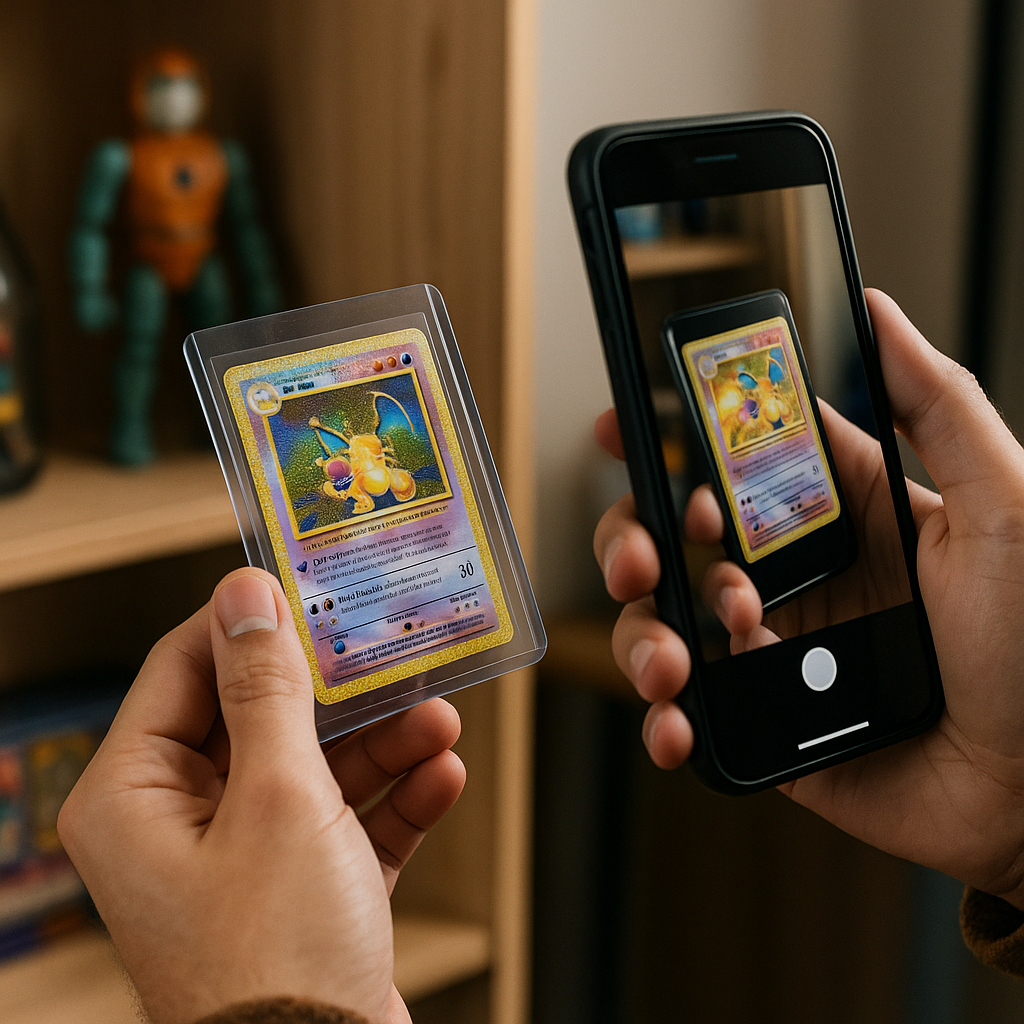
I used to think social media hype meant a broad lift: more people collecting, prices generally up, the usual story. What I see now is narrower and stranger. A viral clip doesn't raise the whole category. It crowns one specific version as the one to own, usually because it looks best on camera. That can be a foil-stamped trading card that catches light the right way, a particular colorway of a figure that reads clean against a shelf, or a first-run logo placement that makes a close-up feel like a flex.
If you're reassessing value, this is where you have to get picky about variants. A listing that says "vintage" and leaves it at that is basically useless in a TikTok-driven run. People are searching for the exact edition they saw in a 12-second video. So I check boring stuff: the card number, the set symbol, whether the foil pattern is holo or reverse holo, the stamp language, the year on the copyright line, even the blister-pack layout if it's a toy. Two items can look identical to a casual buyer and trade at totally different prices because one matches the viral reference and the other doesn't.
Condition gets judged differently, too. For camera-friendly pieces, minor scuffs that would've been acceptable on a shelf suddenly matter because they show up as glare or cloudiness in a phone video. Conversely, I've watched buyers forgive things I wouldn't, like a soft corner on a card, because it still reads well on-screen when it's in a top loader. That's not a moral failing. It's just a different buyer using the item for a different purpose.
When I see that kind of demand, I also assume it will cool faster than a slow-burn collector base. So I don't treat a spike as a permanent new normal. I track how long the clip stays in rotation, whether creators keep referencing the same object, and whether any official media (a reboot, a new game drop, a celebrity sighting) reinforces it. If the only fuel is a viral moment, I reassess again in a month, not a year.