The World’s Most Impossible Thefts
Some locations are engineered to be virtually untouchable, with reinforced vaults, armed guards, coded entry systems, surveillance cameras, and tightly controlled airspace. Every layer is meant to close another door. Still, history shows that determined thieves can study those layers, find the weak point, and slip through. These cases span museums, banks, aircraft, and even open landscapes, and many remain unsolved decades later.
Isabella Stewart Gardner Museum Robbery

Credit: Wikimedia Commons
In 1990, two men posing as police officers gained late-night entry to the museum in Boston. Guards let them in despite policy. The intruders restrained the guards and spent 81 minutes inside, stealing thirteen works, including pieces by Rembrandt and Johannes Vermeer. Valued in the hundreds of millions, the art remains missing, and the empty frames still hang.
Antwerp Diamond Center Break-In
Credit: Wikipedia
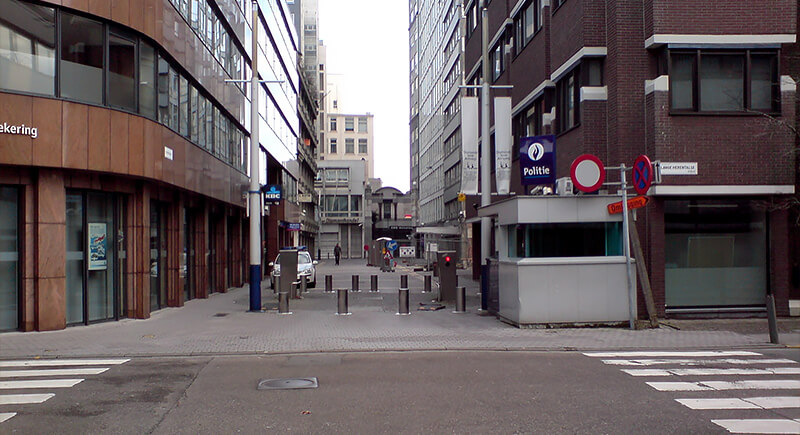
Security experts once cited the Antwerp Diamond Center vault as a model of layered protection. The vault relied on heat sensors, motion detectors, magnetic field systems, coded locks, and surveillance connected to a control room. In 2003, thieves bypassed every layer and emptied most of the safes over a weekend. The haul was estimated at about $100 million in diamonds. Leonardo Notarbartolo was later convicted, yet most of the diamonds disappeared into the market.
D.B. Cooper Hijacking
Credit: Wikipedia
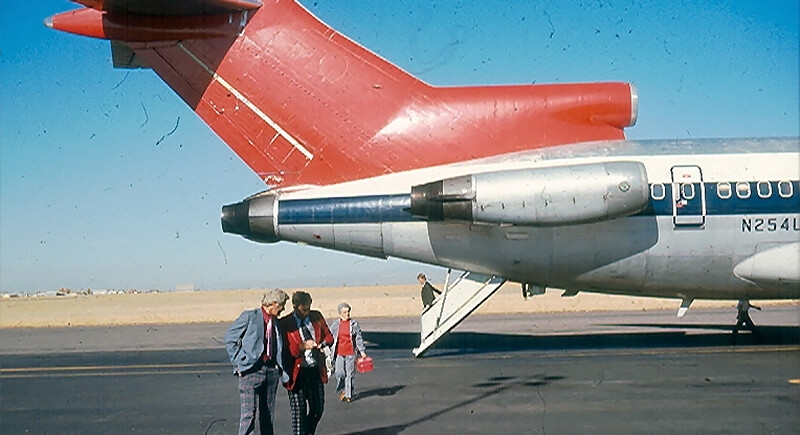
Air travel in 1971 did not require the passenger screening that exists today. A man using the alias D.B. Cooper boarded a Boeing 727 and demanded $200,000 and four parachutes. After collecting the ransom in Seattle, the plane took off again. Cooper jumped from the rear stairs mid-flight and vanished. Most of the ransom money was never recovered. The case led to mandatory passenger screening and design changes that prevented the deployment of rear stairs in flight.
Banco Central Tunnel Operation
Credit: NDTV
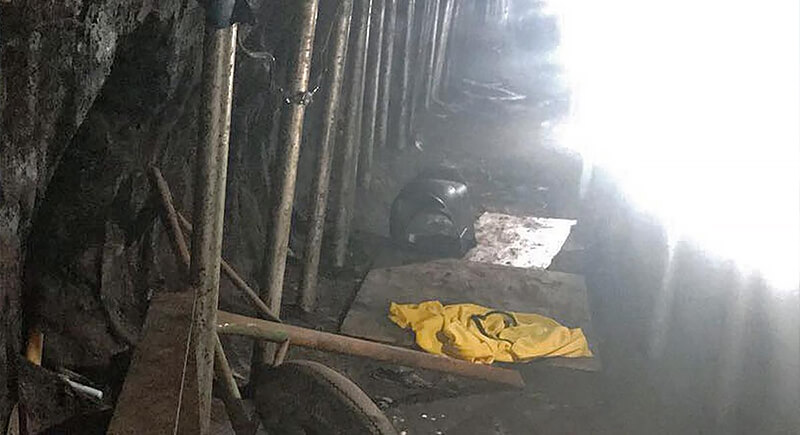
A group rented a property near a Banco Central branch in Fortaleza, Brazil, in 2005. They posed as a landscaping company while digging a tunnel about 256 feet long. The tunnel reached directly under the vault floor. Over a weekend, thieves removed about 3.5 tons of currency valued at roughly $70 million. Police traced suspects through forensic evidence, including chalk residue. Courts later convicted dozens connected to the scheme.
Royal Mail Train Theft

Credit: Wikimedia Commons
Rail networks in 1963 relied on manual signals that crews trusted. Criminals altered the signal lights to stop a Royal Mail train at a bridge in England. A gang of 15 men assaulted the driver and removed bags of used banknotes. The robbery took about 15 minutes. The stolen amount was approximately £2.6 million at the time. Adjusted for inflation, that haul would be worth roughly $65 million to $75 million today. The case became one of the most famous crimes in British history.
Dunbar Armored Depot Inside Job
Credit: Wikimedia Commons
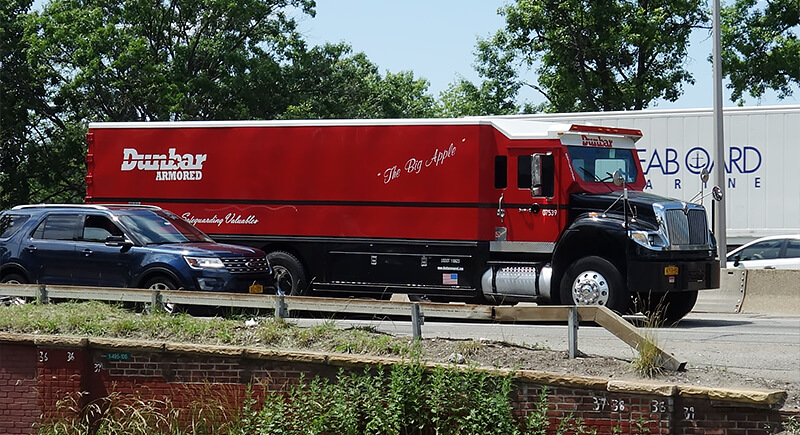
$18.9 million in cash disappeared from an armored facility in Los Angeles in 1997. The plan came from Allen Pace, a former employee who knew the camera angles and security routines. The crew entered during a shift change, restrained the workers, and left with the money. Most of the cash was later recovered, yet the heist still ranks among the largest in United States history.
Brink’s-Mat Gold Warehouse Robbery
Credit: Wikipedia
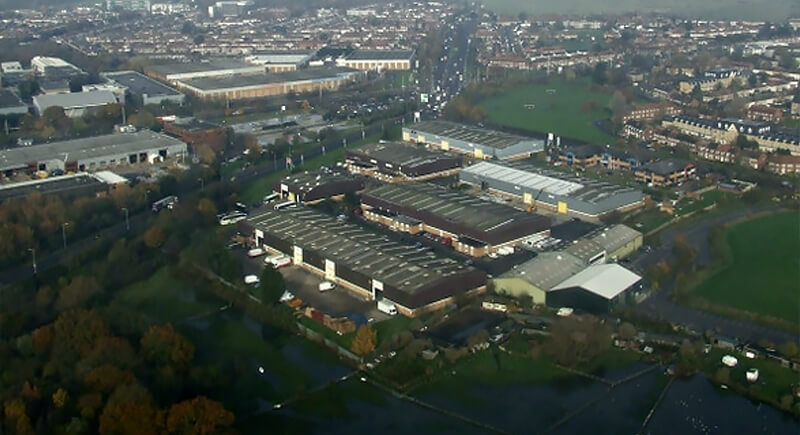
Thieves broke into a warehouse near Heathrow Airport in 1983, expecting to find cash. Instead, they found gold bullion worth over £26 million, which would be roughly $33 million to $40 million today. The gold was melted and laundered through criminal networks. Proceeds financed drug operations and property deals. British authorities spent decades investigating the fallout. The crime prompted tighter scrutiny across banking and trading sectors.
Harry Winston Jewelry Store Raid

Credit: Harry Winston
In 2008, men disguised as women entered a Harry Winston store in Paris. They used insider knowledge such as staff names and security blind spots. The group moved through display cases and backroom safes within minutes. The estimated haul reached about $100 million in jewelry. Authorities later recovered part of the stash. Most of the pieces were never seen again.
The Stealing of Mona Lisa

Credit: Wikimedia Commons
A handyman at the Louvre walked into history in 1911. He hid inside the museum overnight and removed the Mona Lisa the next morning. The painting was left in the building, concealed under his coat. He kept it hidden for two years before being caught. The theft turned the artwork into a global icon. The case exposed how even famous masterpieces once lacked tight protection.
Jamaican Sand Theft

Credit: NPR
In 2008, thieves removed 500 truckloads of white sand from a beach in Jamaica overnight. Heavy equipment was required to move that volume. The sand was never recovered. The theft targeted a natural resource rather than art or cash. It remains one of the most unusual unsolved crimes on record.