
The Surprising Story Behind That Swirly Tie-Dye T-Shirt
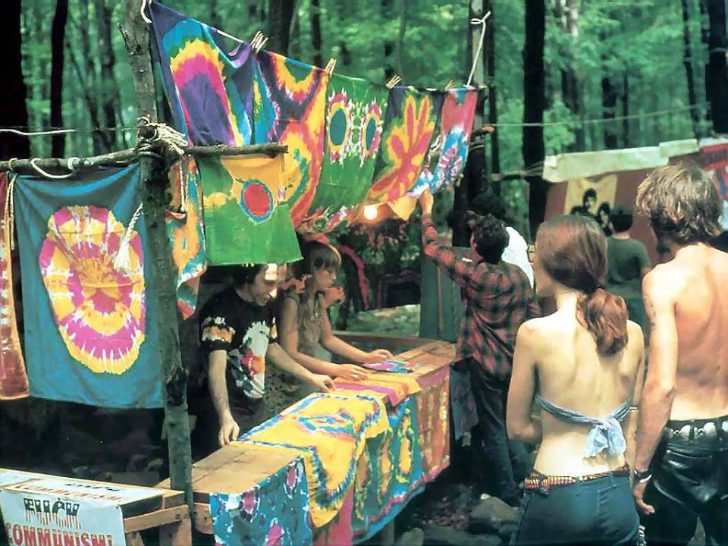
Tie-dye is everywhere, especially among younger crowds, and it feels like a blast from the 1960s. Back then, festivalgoers and vendors embraced the DIY ethos, transforming plain fabric into vibrant, joyful art. Without official merchandise, people turned to local creators and their skills. Those bright patterns weren’t merely clothes but a colorful rebellion adding to American culture.
The appeal was in its flexibility—one day a scarf, the next a head wrap, or a bandana. The 60s were all about experimenting, blending patterns and bold shades spontaneously. Tie-dye wasn’t about perfection but vibrancy, embodying carefree energy and a “why not?” attitude. It’s as much a mood as a fashion choice, echoing the playful spirit of its roots.
The One Thing That Made Her View Perfect
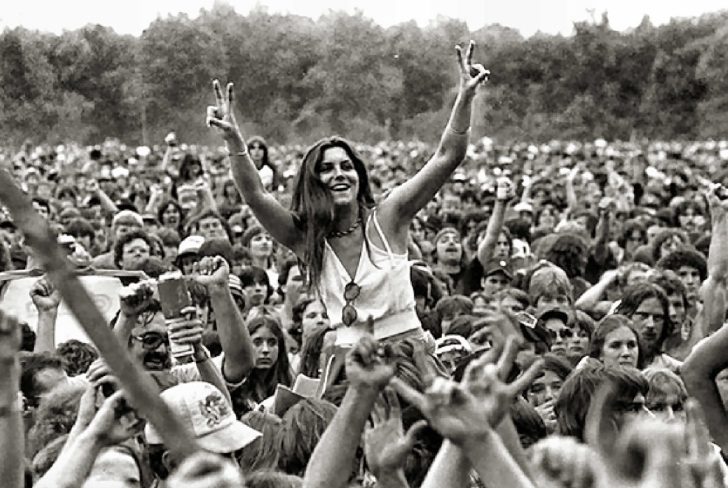
There’s something wonderfully over-the-top about this moment, and it’s not just the outfit or vibe. The scene feels like a celebration pulling attention everywhere. The girl stands out, but she’s not alone. You can tell the crowd is locked in, like they’re watching something huge unfold.
With elite performers and music stars on the bill, nobody acted calm. Fans were ready to lose their minds for a glimpse of their favorites, and this girl wasn’t settling for a blocked view. Perched on shoulders, she’s above the sea of heads, arms lifted like she just won. It reads as victory, maybe peace, and that upbeat spirit feels like the point of the night.
The One Festival Accessory That Instantly Makes Any Outfit Feel Magical
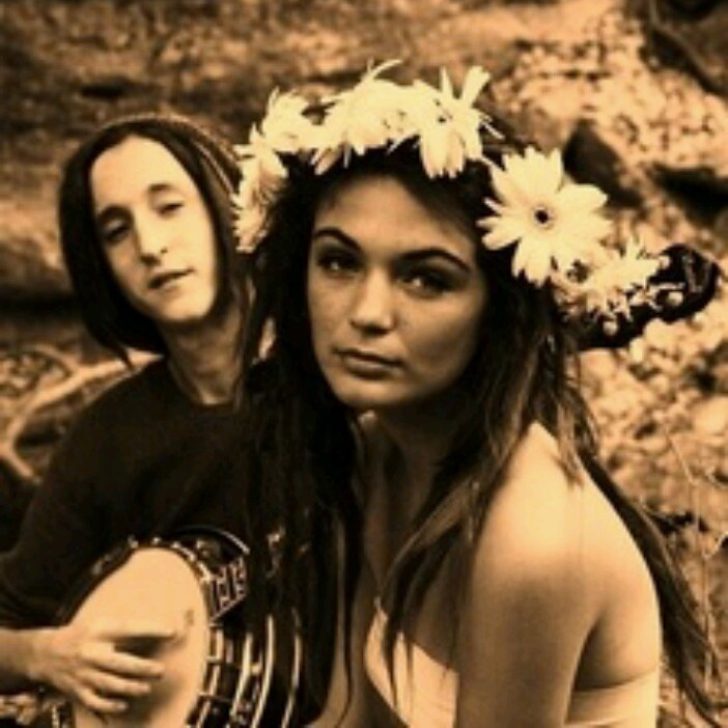
A flower crown is the ultimate festival sidekick—timeless, easy, and always photo-friendly. Fresh blooms in a simple halo instantly pull a look together, emitting a carefree, nature-loving vibe. It's not about perfection but a soft, natural charm, making the wearer look like she just wandered in from a sunny field yet appears put together.
Though tiaras might be for royalty, a floral crown is the fun, real-life version. No stage or judges, just a quick upgrade that says, "I’m the queen of my own day." The actor in the photo doesn't need a competition to claim the moment; the crown does it for her. The exact flowers remain a mystery, yet the effect is unmistakable: confident, playful, and completely in her element.
What Those Windblown Bike-Ride Photos Really Reveal
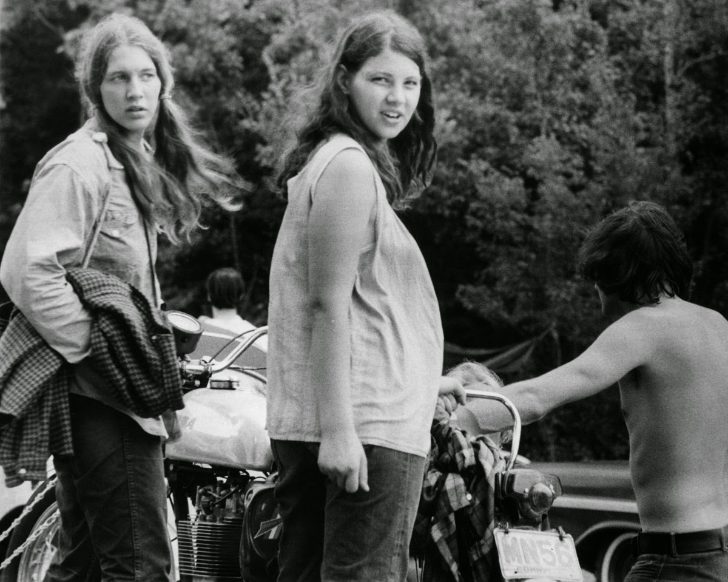
That loose, flying hair is a 1960s mission statement, signaling the freedom young people sought. In this candid shot, the girls appear mid-ride, maybe laughing or racing, when someone called out for a picture. They pause, half in motion, half posing, as if caught between adventure and obligation.
These kids were the kind who packed Woodstock once it was known nobody was checking tickets. The bike-loving girls and thousands more transformed the place into a giant, messy playground. The original plan was a standard festival: sell entry, make money. But when the grounds swamped with people, it flipped into a free-for-all, becoming the legend everyone remembers.
The One Woodstock Snapshot That Explains All Those Grins
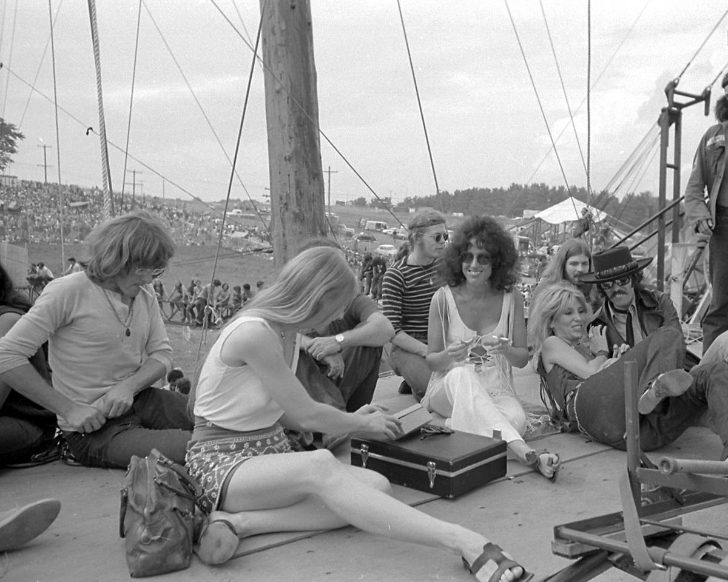
Woodstock was a giant music marathon, drawing around 400,000 people. Despite intermittent rain, the event continued, featuring 32 acts over the weekend. Here, Jefferson Airplane with Grace Slick in white, perfectly captures the festival's vibe: musicians absorbed in the moment and crowds glued to every note. The festival impressively sustained itself against challenging weather.
You can almost hear their sound's playful edge, blending wit, sarcasm, and fearless energy that captivated and amused simultaneously. Their expressions reveal they knew they aced it. Woodstock's promise of "peace and music" isn't just a slogan; it seems the plan is in motion. Also, the hair, long and wild, truly embodies the 60s style that everyone embraced proudly.
The Leather Look That Still Turns Heads, and the Photo That Proves It
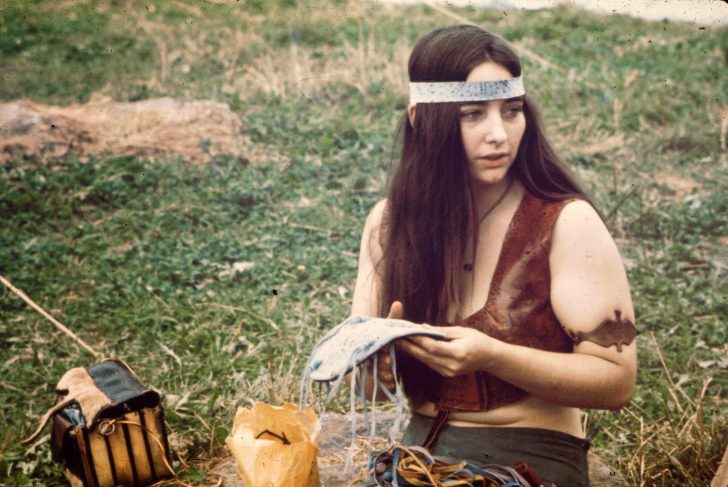
What happened more than five decades ago still feels oddly fresh, as if it imprinted itself into pop culture and never departed. The old festival grounds have evolved into the Bethel Woods Center for the Arts, a modern venue for concerts and events. Despite upgrades, this place retains an unmistakable “something happened here” aura. This photo acts as a time capsule, making that era feel near.
The girl in the shot fully embraces the look with a leather top and headband. Even her shoulder strap appears handmade, like wood. Fast-forward to now, leather saturates influencer feeds—not just handbags, but jackets, pants, and anything stitchable. The irony is how “new” it seems when this picture shows the trend as old, iconic, and getting yet another remix.
Why Everyone Climbed Onto That Bus Roof
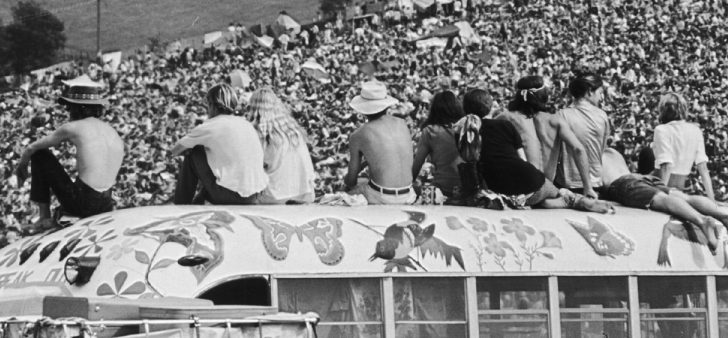
Even with all the substance use happening out in the open, nobody was hauled off in handcuffs. The festival embodied every teenage, young-adult stereotype, making it seem like the best idea. People climbed the bus roof to get a better view of the fair, treating it as the hottest seat because the ground level just wouldn't do.
Up there, a mix of couples and solo riders soaked in the spectacle. The roof, decorated with flowers and butterflies, complemented the event’s carefree mood. Meanwhile, an unofficial dress code emerged: many guys apparently decided shirts were optional, as numerous were bare-chested atop the bus.
The One Folding Chair That Couldn’t Handle This Crowd
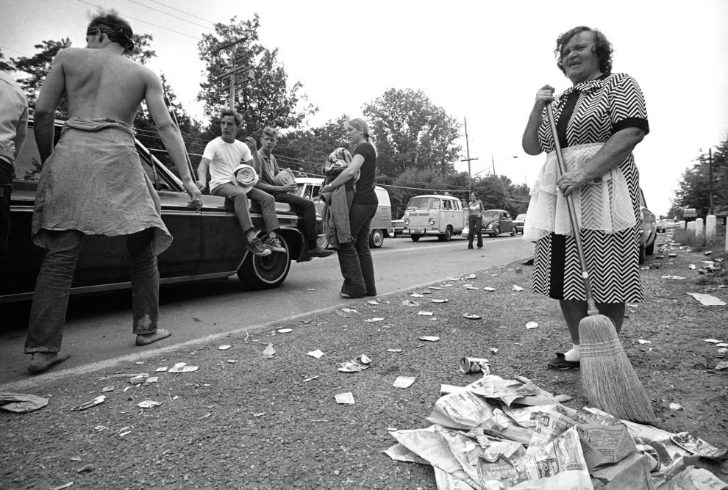
The organizers didn’t anticipate this. They believed the venue could handle the crowd, and everything would be orderly. Instead, the event became an overwhelming success. People occupied every available space—curbs, steps, patches of ground. Resources quickly depleted: food, water, and medical supplies became scarce. Bathrooms were also critically limited.
The crowd maintained their energy while it lasted. But when the music stopped, cleanup became inevitable. Streets overflowed with trash, main routes got congested, causing traffic and heated tempers, leaving the area paralyzed for hours. Despite the chaos, the turnout proved monumental, marking the event as a memorable success.
The One Photo That Quietly Explains Woodstock’s Fame
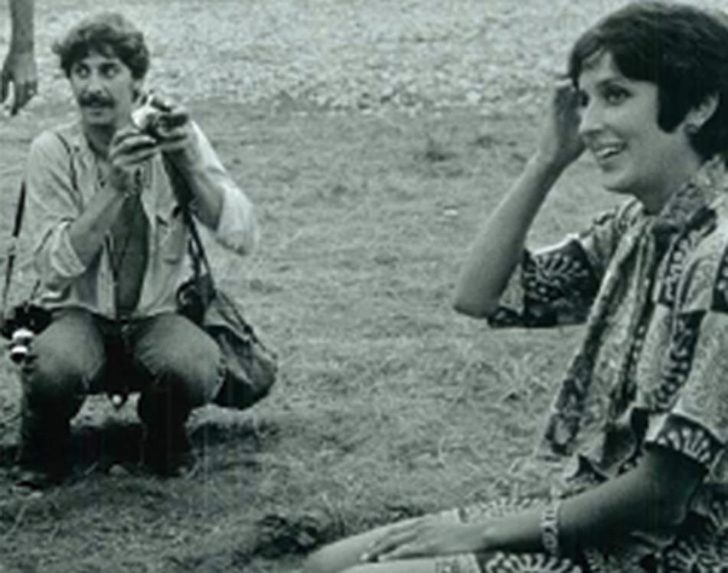
Once the festival picked up speed and hit headlines, its documentation became crucial. That’s where the 1970 documentary Woodstock came in, turning a wild weekend into something the world could see and understand. The movie not only captured the vibe, but it also solidified the event’s legend, winning an Academy Award for Best Documentary Feature and earning a screening at the Cannes Film Festival.
The woman in the photo appears in the film, hinting at how cameras influence behavior. In footage, she’s clearly guided, coached to follow directions to be part of the recording. The documentary remains one of the few solid records of the fair. Even with 32 performers, only a small slice made the cut.
The One Detail in This Photo That Proves the Crowd Was Out of Control
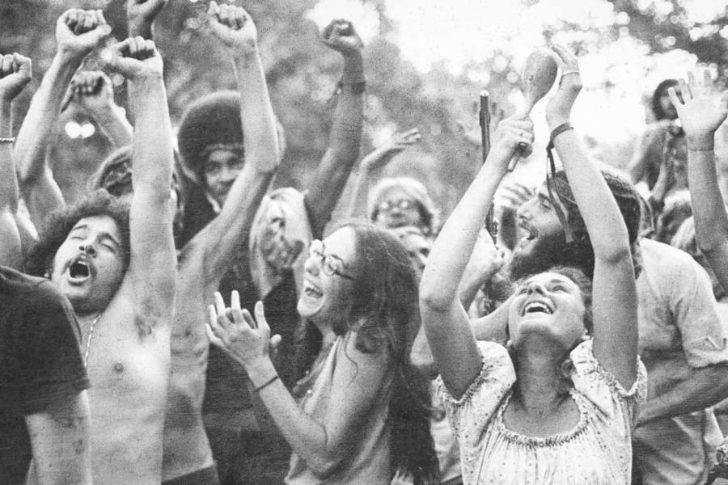
This photo captures the essence of the scene. It was the type of gathering where smiles came naturally, allowing attendees to escape their troubles. At Woodstock, the energy was relentless, with music transitioning seamlessly from day to night, creating a continuous, shared experience. It was more than a concert; it was a collective moment.
Strangers frequently brushed shoulders, laughed, and bonded as if they had arrived together. While youth were drawn to guitar riffs, older attendees also enjoyed the packed atmosphere. The crowd surged toward the stage, tightly packed, driven by a collective love for rock and roll. It felt alive, loud, and joyously crowded.
The One Thing That Turned Woodstock Into an Unplanned Campout
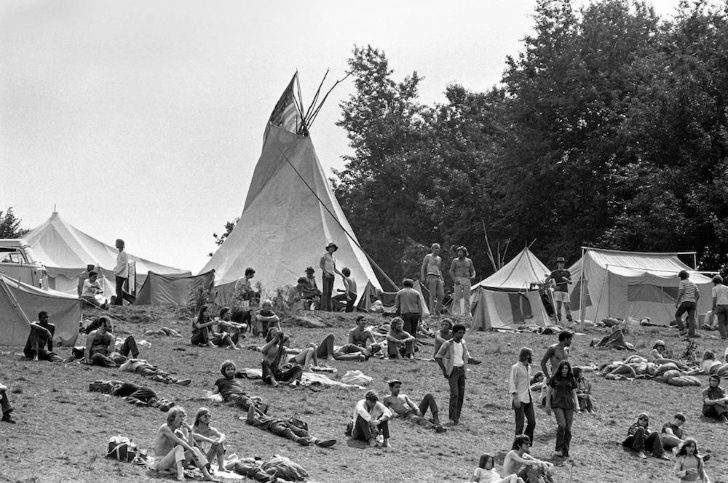
The venue became a pop-up shelter when leaving proved difficult. Attendees set up tents on-site, which wasn't planned. Organizers were caught off guard as Bethel faced a massive traffic jam. Roads were rerouted, and alerts went out to deter more arrivals.
Before its fame, Woodstock’s site was a dairy farm. The landowner agreed to a $10,000 rental for the event. The aftermath, however, was costly—the chaos left the farm damaged, with repair expenses exceeding $50,000, overshadowing the rental income.
The One Photo That Explains Woodstock’s Wild “Happy Ending”
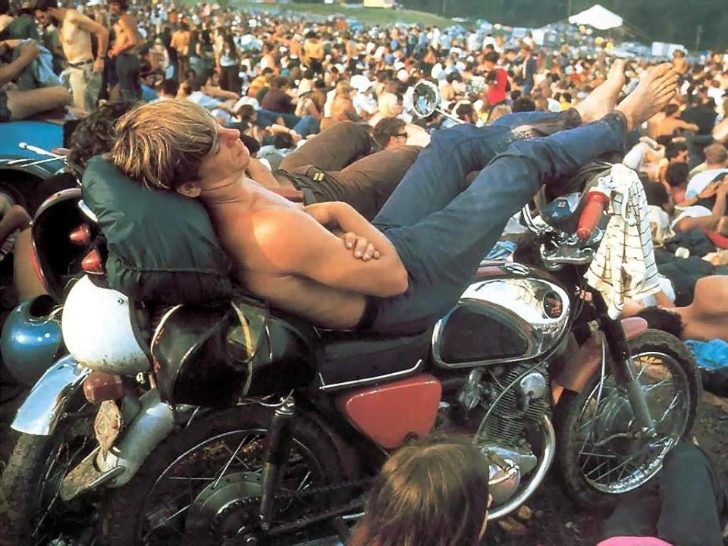
The Woodstock Fair was packed, with people squeezed in any space possible—sitting, standing, perching. Organizers Michael Lang, Artie Kornfeld, and John P. Roberts initially estimated costs at $750,000, but expenses skyrocketed to about $2.5 million. This encapsulated how a “simple” festival became an iconic cultural event.
By 2017, the site earned a place on the National Register of Historic Places. The crowd was diverse, united in enjoying their favorite acts. Amid the chaos, attendees found their groove despite the August heat and rain. Messy, crowded, and costly, it remained memorable—talked about for decades.
What This Black-and-White Crowd Photo Reveals Up Close
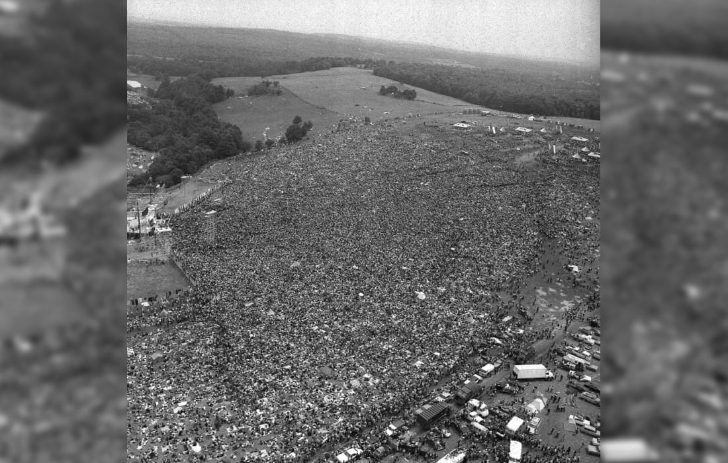
Once word got out that this was a can’t-miss event, the place filled up fast, and not just with fans. Photographers such as John Dominis showed up, ready to capture the action. Dominis later said he had a blast. Even though much of the crowd was younger, he didn’t feel like an outsider. The photo is in grayscale, but the day itself was anything but dull.
From this angle, the scene can look like chaos packed into one frame. On the ground, though, it was surprisingly calm. People were partying and substances were around, but the overall mood stayed peaceful. Despite the crowd size, only a small number of deaths were reported, handled quickly. For an event that looks intense in a still image, the reality was more orderly than expected.
The One Food Detail That Saved 400,000 Hungry People
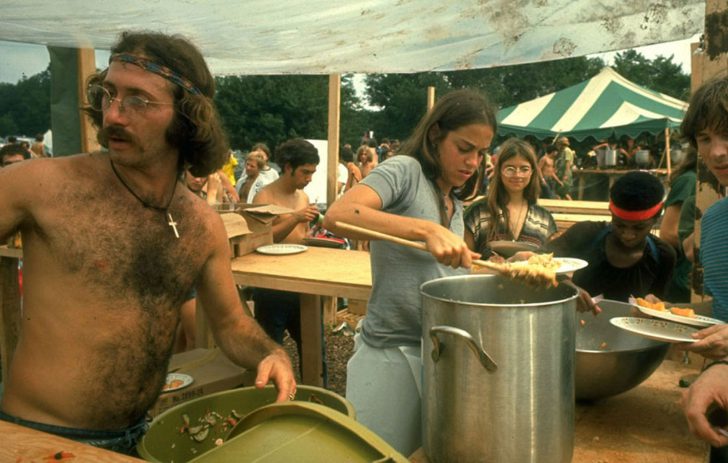
Feeding over 400,000 people is a massive challenge, especially when only prepared for half that number. Extended food lines, dwindling supplies, and rising tensions nearly turned the event into chaos. Frustrated and hungry attendees set fire to two concession stands. It was clear that the crowd was not just a statistic but a multitude of hungry voices, threatening to spiral into a major crisis.
Rescue efforts surged unexpectedly with donations and airlifted supplies arriving in time. Ten thousand sandwiches, water, fruit, and goods were distributed efficiently, aided by volunteers stepping up from the crowd. Miraculously, reports indicated that no one starved during the event, highlighting a remarkable recovery despite the pronounced challenges.
The One Thing That Made Woodstock’s Founders Look Like Geniuses
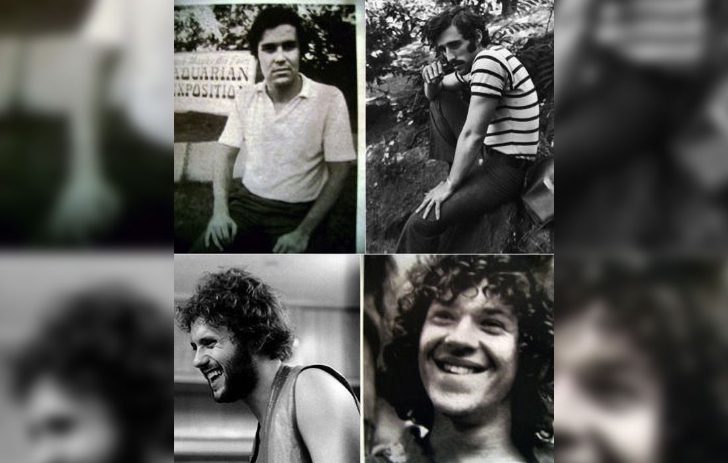
From day one, these four guys were the engine behind Woodstock. Sure, it had rough edges: messy management moments, a crowd that did not always play nice, and constant curveballs. Food ran short, medical supplies got stretched thin, and traffic turned chaotic. But their partnership held, and their plan kept evolving as problems popped up. The one thing that never cracked was the music, which rolled around the clock, maintaining the vibe.
That energy was the secret sauce. Even with hassles packed into those three days, people got swept up and stopped obsessing over discomfort. After planning changes and last-minute pivots, Rosenman, Roberts, Kornfeld, and Lang pulled off a fair that landed in the history books. It was loud, imperfect, and kind of unbelievable, but the spirit of the event was so strong it made the chaos feel like background noise.
The One Dairy Farm That Quietly Made the Whole Event Possible
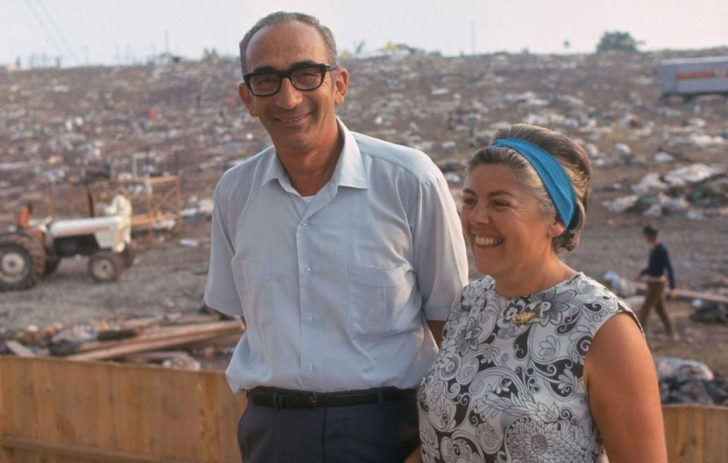
The site started as a working dairy farm, covering about 600 acres, owned by American farmer Max Yasgur and his wife. On the third day, Max addressed the crowd, stating, “If we join them, we can turn those adversities that are the problems of America today into a hope for a brighter and more peaceful future,” and his words resonated deeply.
Max's speech fired up the audience, eliciting loud cheers, serving as a bridge from chaos to hope. When it ended, gratitude didn't fade with the last song. Attendees left thank-you gifts, bouquets, and letters, expressing appreciation for letting the farm be used. It showed the land and its owners mattered.
The Trash-Can Veggies That Set Off a Health Panic
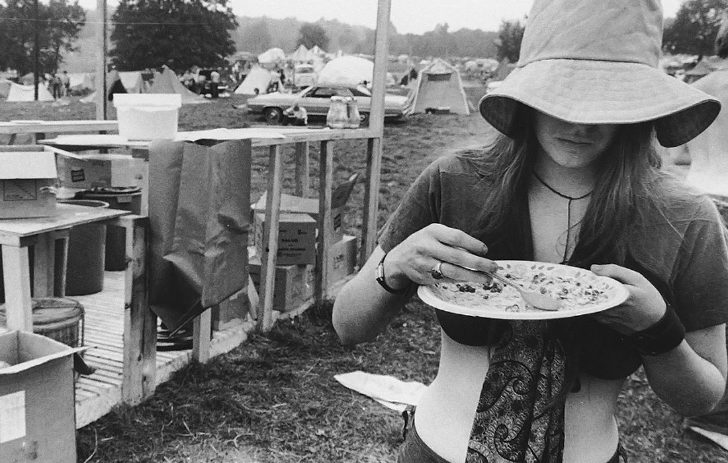
Parents were furious when they realized kids were eating trash. It wasn't safe snacks but raw veggies with leftovers, scraps no one should consume. This was no "roughing it"; it was a public health failure. Children scavenging flipped the mood from festival fun to outrage in seconds, igniting a health panic.
The girl in the photo seems to hide her face, showing how grim the scene is. Officials anticipated food poisoning reports, but fallout included substance overdoses. The site was never reused for the festival, becoming a cautionary tale of failed food and safety plans.
The One Thing Everyone Forgot to Pack for the Event
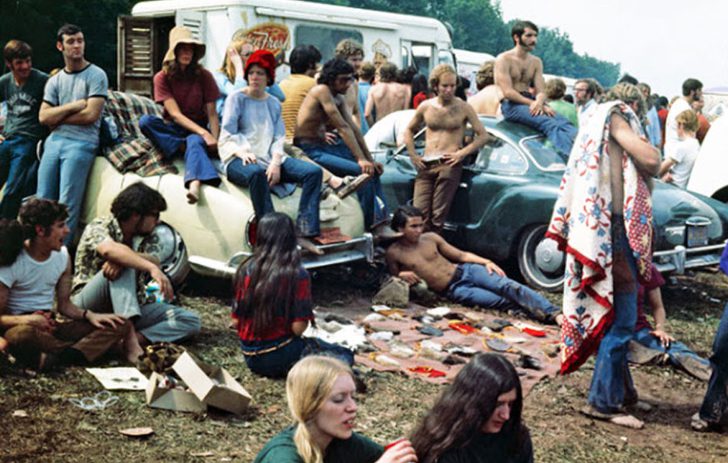
With the Vietnam War dragging on and politics at home boiling over, people were already on edge. This gathering felt like a deep breath and a quick escape. But as the sun set, reality hit. Folks weren’t prepared for long, chilly nights, so jackets turned into makeshift blankets. Leaving at the end of the day and returning was a headache that became nearly impossible.
This lack of planning concerned the organizers and the town keeping up. Racial discrimination was still intense, and the country felt divided. Even so, people came anyway. They pushed through the mess because the pull of being together, even briefly, felt bigger than everything waiting back home.
The One Detail in This Festival Photo That’s Seriously Disturbing
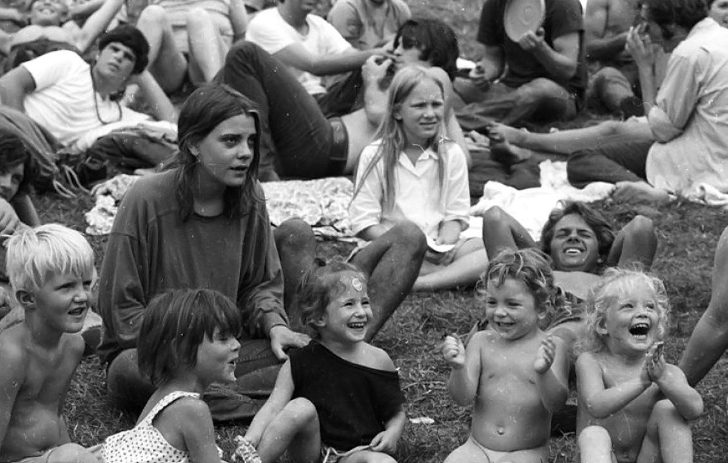
Here’s what’s wild: the event’s description advertised it as packed with thousands using substances. So how did kids end up waived in like a county fair? The vibe wasn’t for children, to put it politely. Sure, the picture may show them having fun, but their presence is unsettling. Such a venue isn’t just chaotic; it’s unpredictable, and adults should’ve known better.
Reports of limited food and sparse medical resources spelled trouble with a massive, restless sea of people where any surge could turn into a stampede. Basic facilities were a mess; too few toilets and continuous rain transformed the field into a muddy swamp. Hygiene plummets, getting gross quickly when nobody can tell what’s mud and what’s something else.
The One Thing That Had Bethel Stuck for Nearly a Week
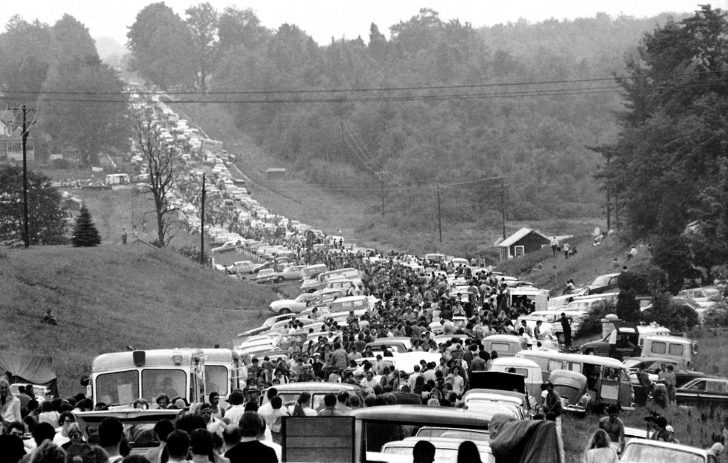
Performers didn’t roll in like regular travelers. Many flew to the festival by helicopter, because the road into town, and every nearby lane, was jammed with cars, mini trucks, and buses. This wasn’t just a day-of problem. People started showing up five days before the music even kicked off, making the area a slow-moving parking lot long before the first set began.
Hundreds of Volkswagen buses lined the roads until the event wrapped. For locals, especially older ones, it was a headache. Getting to work, running errands, or just leaving home became a challenge. Once the event started, radio and TV stations warned people not to come, as the crowd had exceeded expectations.
The One Film Still Showing Us What Woodstock Really Looked Like
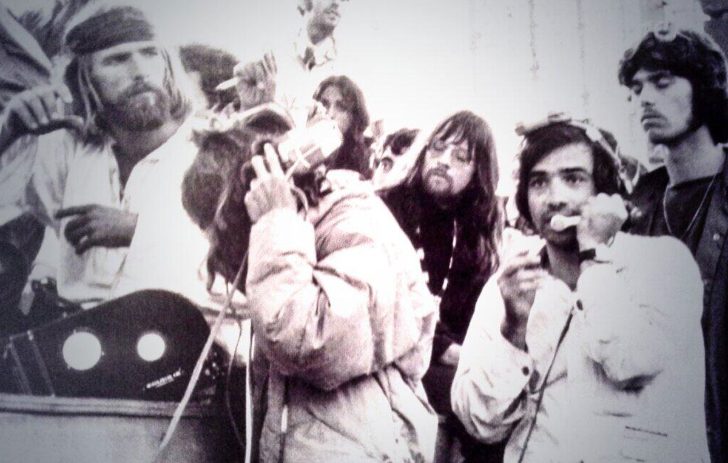
The 1970 documentary Woodstock, filmed during the festival, remains a definitive record of that historic weekend. Directed by Michael Wadleigh, it was edited by a team of seven, including Martin Scorsese. The image showcases a young Scorsese on the far right, headset on, immersed in his work.
Upon its release, the film gained accolades at major festivals and won the Academy Award for Best Documentary Feature. Although it screened at Cannes outside the official competition, its reputation flourished, maintaining its esteemed status to this day.
The One Thing Nobody Could Ever Recreate From Woodstock
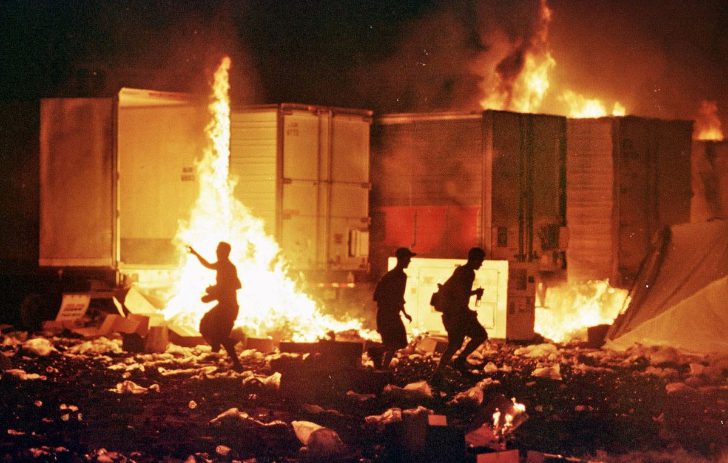
After 1969, it seemed everyone believed they could capture that lightning again. The festival’s success sparked curiosity, with promoters pitching “next Woodstock” plans, thinking it was merely a recipe to follow. Some even reached out to Yasgur with letters and gifts, hoping to rent his famous field again. It never happened. He refused to offer his land, a decision highlighting the uniqueness of that event.
The idea persisted. Big attempts appeared in 1979, 1989, and 1999, each chasing the original vibe but failing. None recreated the 1969 feeling, the timing, mood, or unique chemistry. The 1999 event, in particular, ended disastrously, with riots and violence. Chaos ensued as fires broke out, turning the celebration into a disaster.
The One Airlifted Food Drop That Kept This Peace Festival From Turning Ugly
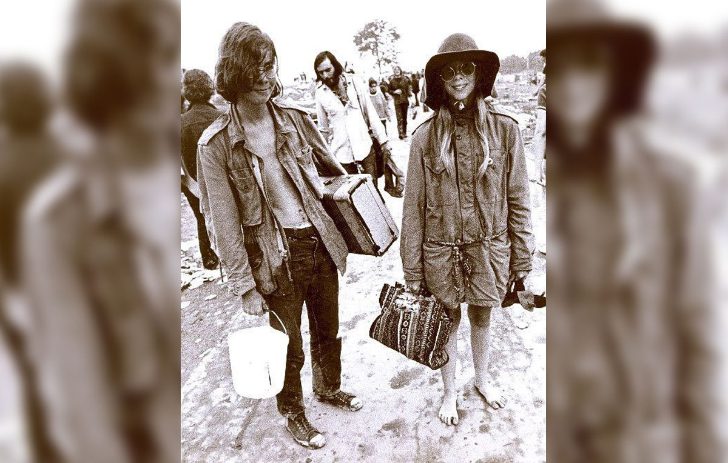
That grin says everything and probably calmed half the crowd. For guests, it was relief in a tense day. They ensured this event did not leave people hungry. Supplies were flown into the fairgrounds, and volunteers hauled food, water, and essentials from drop point to hands.
The festival's vibe was anti-war, but the problem felt like a siege, with people hoping for a meal. As handouts began, it turned chaotic. An announcer stepped in to calm the crowd, urging, “They are with us, man, they are not against us,” striving to keep the peace.
The Airport Detail That Kept Iron Butterfly Offstage
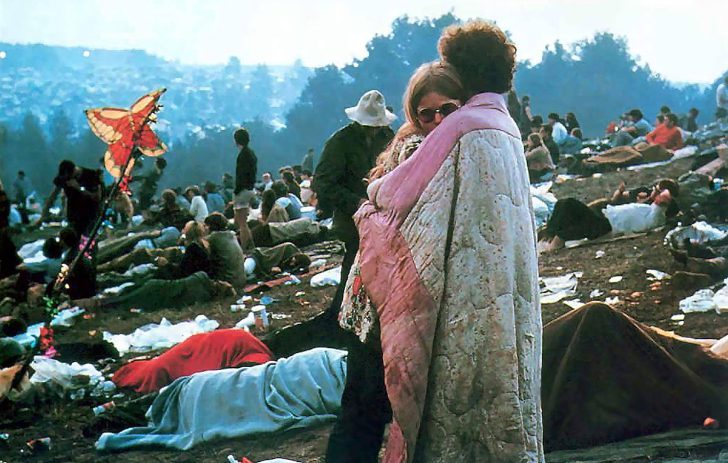
The young woman with the man in the photo looks exhausted, perhaps waiting endlessly. She might be a performer herself or just a fan eager for her favorite act. Either way, the mood captures the moment as big names failed to appear, including Jeff Beck's group. Reports suggested they were stranded at the airport instead of being onstage.
With a butterfly image in the background, the people seem linked to the band, suggesting a stage emblem. Despite last-minute changes, cancellations, and withdrawals, the event persisted. The lineup shifted and the schedule adapted, but the music continued with other performers ready to entertain the crowd.
The One Rain-Soaked Set That Changed Everything
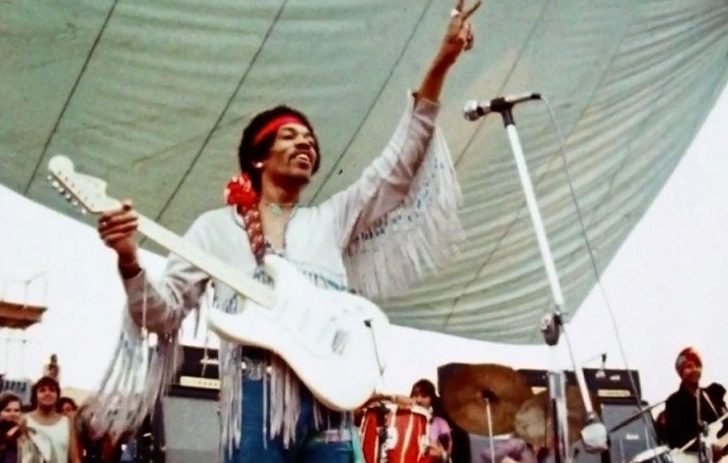
Hendrix ended up closing out the festival, not by design, but because heavy rain kept pushing the schedule back. At the peak of the weekend, the crowd swelled to 450,000. Still, the delays took their toll. As his set stretched into the morning, plenty drifted off, and by the time he was deep into the performance, the audience had thinned to roughly 30,000.
The actor hit the stage with a fresh lineup, Gypsy Sun and Rainbows, and the introduction felt like a reset for the whole weekend. The group played for about two hours, delivering a set that later became part of the 1970 documentary film Woodstock. Long after that muddy morning, he's still seen as one of the most influential electric guitarists. At the height of his fame, his earning power briefly ranked him as the highest-paid performer in the world.
The One Car Detail That Made This Festival Legend
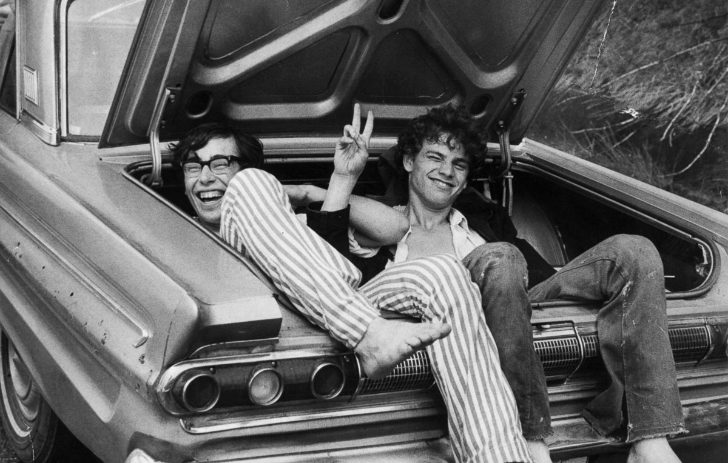
This festival was a first-of-its-kind moment in U.S. history, aiming to land the biggest names with a lineup impossible to ignore. The challenge was price. Top acts demanded huge fees, which meant deals were handled the old-school way—in cash.
No fancy vans were available then; backstage could mean a car boot holding gear and nerves. Two big paydays went to Hendrix and members of Jefferson Airplane, both highly sought-after. It wasn't glamorous, but it worked.
What Happens When You Lose Something Important in This Crowd?
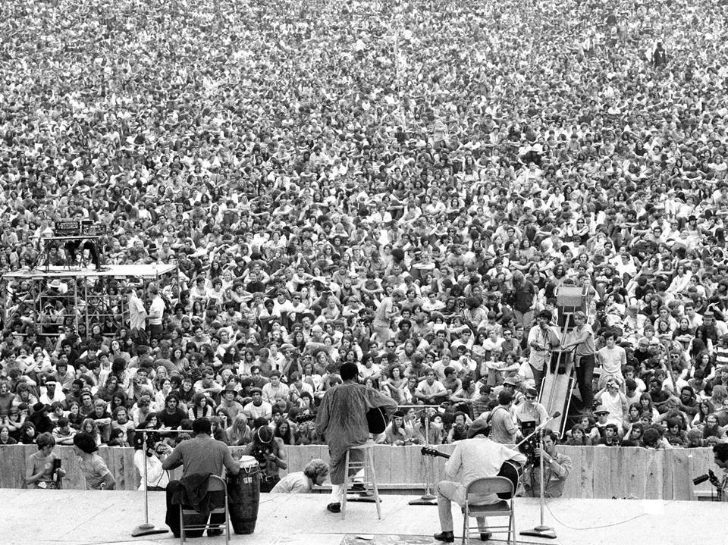
Look at that sea of bodies and tell me you would ever find your keys again. Drop anything truly important in this kind of crowd and it is gone, swallowed by elbows, shoulders, and momentum. Read the scene two ways: people are locked in, enjoying the onstage spectacle. Or, it feels messy, with awkward seating and tight spacing. The first take is fun, fitting the energy.
The field almost becomes its own little country with unique rules. Inside, people squeeze together, laugh, and ride the excitement like a wave. Past the edge, unrest waits outside the frame. That contrast makes the image hit. Even in chaos, there is a relief, like the crowd itself is a breath of fresh air, a shared escape that works despite disorder.
What a Car Trunk Turned Into During That Traffic “Jam”
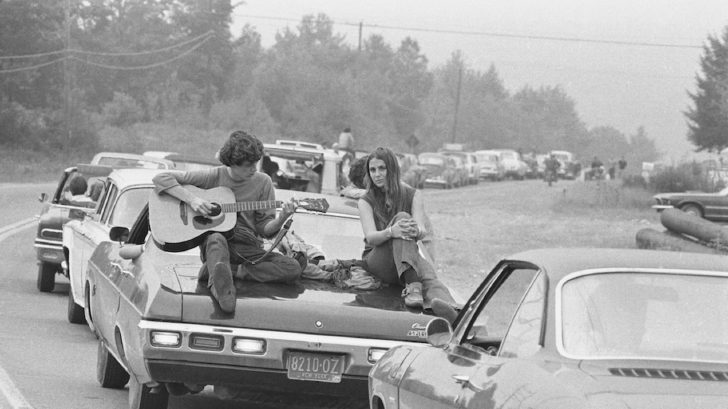
Out on the roads, the vibe mirrored the chaos inside the fairgrounds. Cars and bikes sat in endless lines, with drivers getting restless. Instead of letting the gridlock ruin the day, some music lovers flipped the mood. In the standstill, they started playing and singing, turning a boring wait into a roadside show for those trapped around them.
Many left home sure they’d reach the venue, only to get stranded halfway. Some ditched their vehicles and walked, following distant cheers and music. Others stayed put, popping open car boots as makeshift stages. With a captive audience and nowhere to go, the traffic jam became a mini concert.
The Headset in This Photo Tells a Wild Story About Martin Scorsese
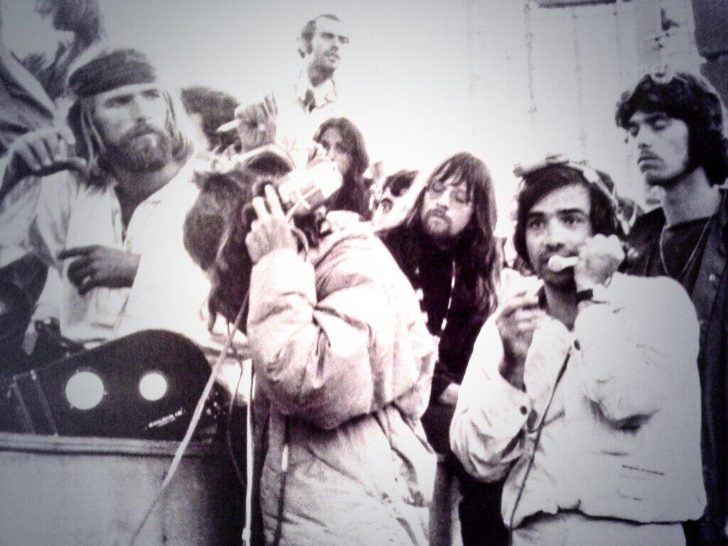
Scorsese is a director whose filmography serves as a binge-worthy masterclass. Delivering ambitious films like The Aviator, Silence, and Shutter Island, he has shaped modern cinema. Before his legendary status, he toiled in unglamorous, detailed work. A standout is the documentary Woodstock, where he joined the editing team, cutting alongside six others.
Woodstock didn't just resonate; it traveled globally. It hit major festivals, racked up awards, and maintained fame long after its debut. Still hailed as a top concert documentary, the film won an Academy Award and was screened at Cannes. In the photo, Scorsese is on the right, headset on, focused on every beat—a serious stamp of approval.
Why Those VW Buses Turned Into the Festival’s Best “Seats”
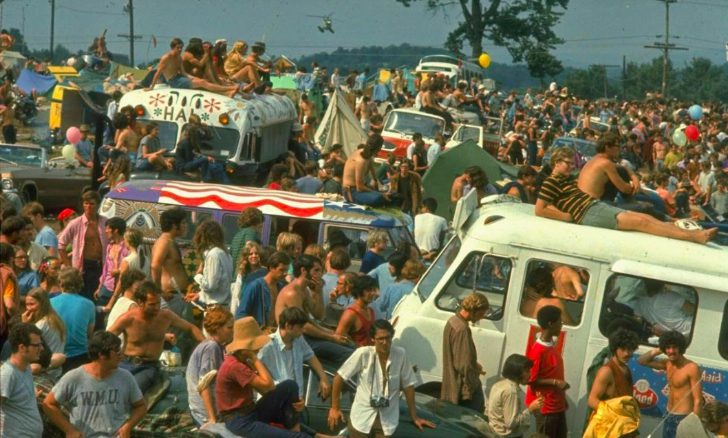
If you rolled in with a tiny car, you were basically playing on hard mode. The lucky folks showed up in minibuses and vans and suddenly had the best setup. With no real seating areas, van roofs became unofficial grandstands, a perfect perch for catching the action and grabbing a break. People packed in tight, every gap filled, and soon there was barely room to squeeze through.
As the crowd grew, vans turned into makeshift crash pads for thousands. They weren’t just transportation anymore; they were shelter, storage, and a slice of personal space in the chaos. Once someone claimed a spot, there was no reason to budge. People stayed put, hanging out until the festival’s final note rang out and it was time to move again.
The Treehouse Guitarist Who Almost Stole the Show
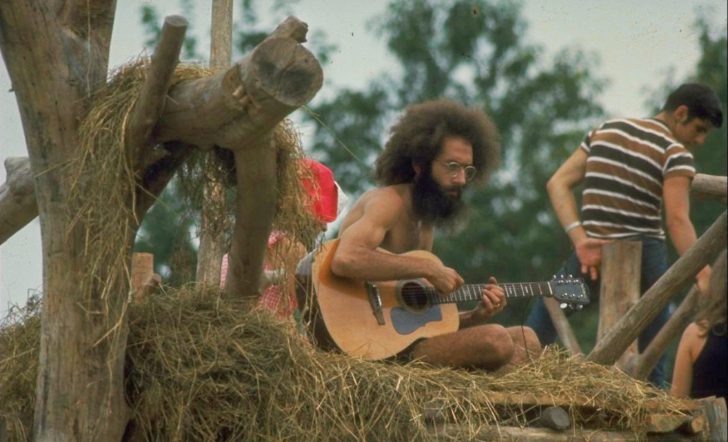
The headliners delivered the rock and roll, but real magic came from those who jumped in spontaneously. Guitarists like this one volunteered to keep the vibe alive, finding space to play and be heard. In the photo, he looks perched in a treehouse, strumming as if it’s his stage. He adds a unique touch, the kind of side performance that makes a festival vibrant.
He is clearly enjoying himself, and that enthusiasm is contagious. By day’s end, he might have new fans asking about his songs. Despite the heat, he maintains high energy, sporting messy hair, a scruffy beard, and a carefree look. Then nature intervenes with quick rain showers, cooling things down and washing away the dust.
The One Street Sign Near the Festival That Says It All
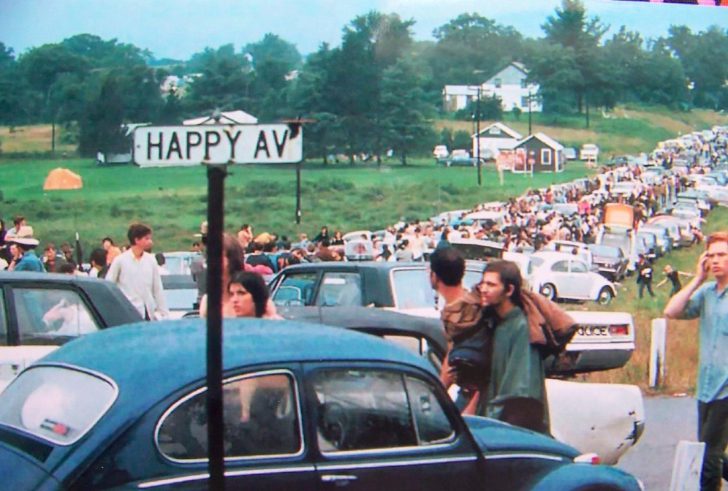
The festival was all about peace and good vibes, perfectly encapsulated by a charming detail nearby: a street in upstate New York called Happy AV. Close enough for locals to stroll home and return with ease, it offered a dreamy contrast to the usual festival hustle.
Despite the cars packed in and the road closure, pedestrians moved freely. The people pictured here seem on the outskirts of the chaos, appearing cleaner and more composed, like they had time to freshen up. Their nice attire lends an unusually calm feel to the festival day.
The One Water Pump That Kept Woodstock Surprisingly Clean
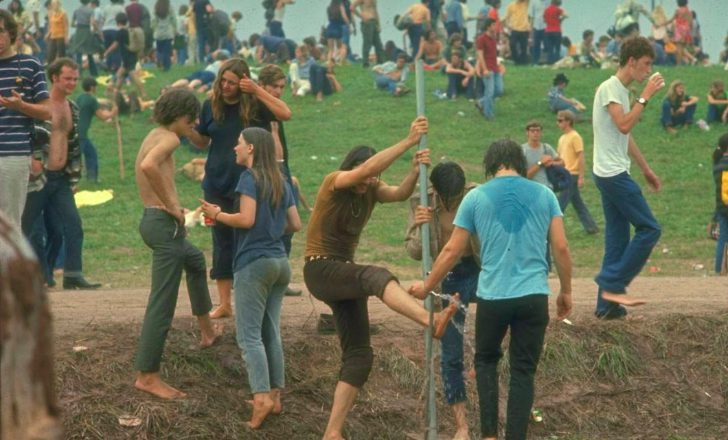
People love their stereotypes about anyone tied to substance use. You know the usual labels: messy, grimy, unbothered by hygiene. But Woodstock had a twist, a nearby water pump that changed the vibe. Instead of staying caked in dirt all weekend, plenty of attendees kept circling back to rinse off. Faces got splashed, feet scrubbed, and the whole scene looked way less “unkempt” than you might expect from a muddy, barefoot crowd.
Even walking barefoot, and sometimes barely dressed, they found ways to stay relatively clean. That same water eased the shortage, doubling as a drink when options were limited. Boredom was not on the menu. Between sets, folks stayed entertained with quick filler games and spontaneous fun, so downtime never dragged.
What’s Really Going On With That “Morning Workout” Pose?
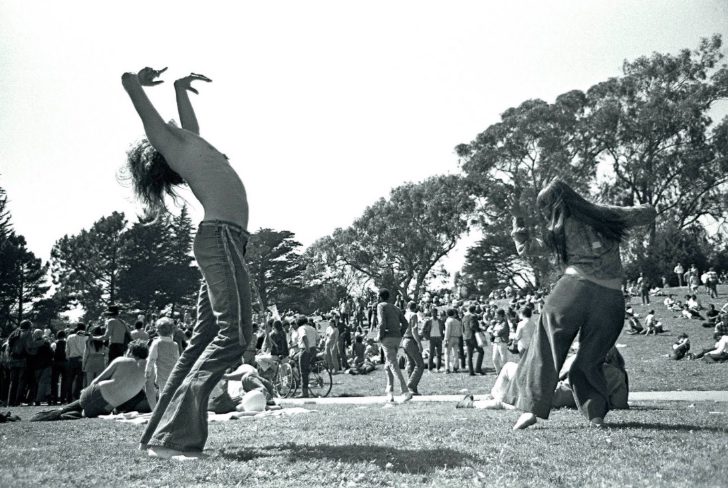
Sometimes all it takes is a beat and the right mood to get people moving. It might look like yoga but feels more like playful choreography, aiming to communicate without explicit words. The routine carries a role-play vibe, where the movements resemble characters, not just steps. It embodies performance energy rather than a fitness class.
Such acts entertained guests and distracted from the event's rough edges. The audience behind them isn’t focused on the dancers, suggesting the real show lies elsewhere. These two move freely to whatever’s playing. In setups like this, one typically leads and the other follows, creating a dynamic interplay of control—a little game of push and pull.
What’s Really in That Handcrafted Pipe?
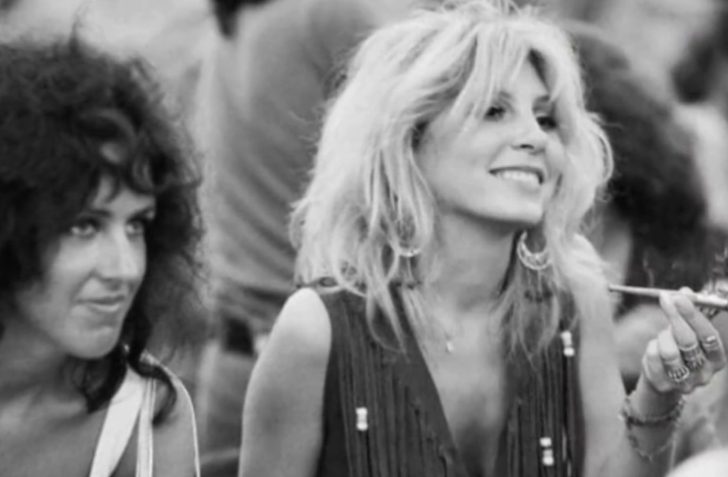
That grin is doing a lot of work. It’s not the casual, "nice day out" kind of smile; it’s the look of someone very entertained. If she were puffing on something ordinary, she probably wouldn’t look so delighted. And then there’s the pipe in her hand, which doesn’t scream "off the shelf." It looks custom-made, with something rolled inside that matches her personal taste.
In the background, 742 overdose cases were reported. For a long time, dreads got unfairly tied to drug use, but the woman with the smoke pipe wears hers with confidence and shrugs off the stereotype. Next to her, another girl seems completely locked in on the show unfolding in front of them. Whatever this event was, it clearly landed, as the crowd around them looks just as happy, with big smiles spreading through the attendees.
What This Long Food Line Really Says About the Festival
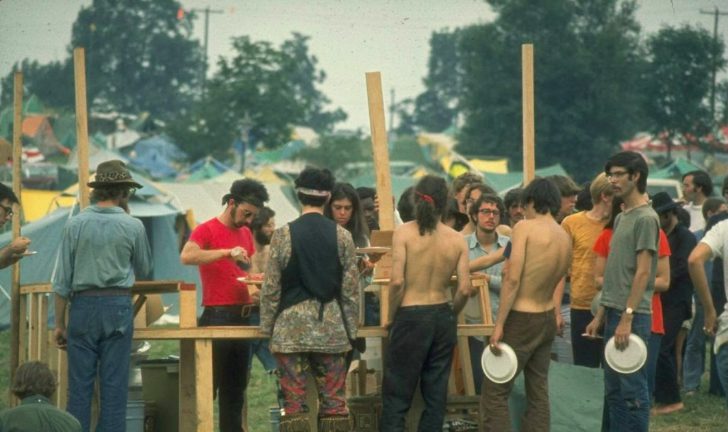
You can read this photo in two totally different ways. On one hand, it looks like a normal festival moment, people hanging around, waiting their turn because food is being handed out. On the other hand, that same line can scream “rationing,” like supplies are tight and everyone is getting a fixed portion. Same scene, two very different stories, and the vibe depends on what you think is happening just out of frame.
After staring at it for a bit, it feels closer to the first explanation than the panic version. Once word got out about a shortage, donations reportedly started coming in to steady things. It’s also possible this shot was taken after enough supplies arrived and the situation calmed down. Importantly, there weren’t reports of people starving at the event, which matters. We don’t know what’s on the menu here, but the line suggests at least some kind of organized effort to feed people.
Why Those Plastic Sheets Ended Up Stealing the Show
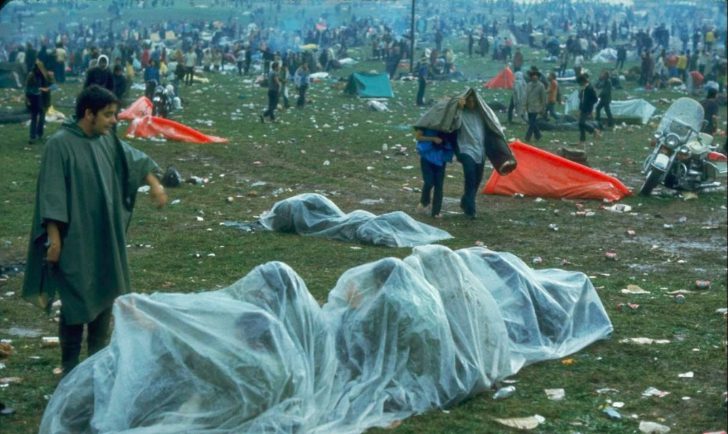
Rain was the unofficial headliner, keeping the ground slick and turning the field into a muddy mess, but nobody was ready to call it quits. The drizzle felt like a break from the heat. People laughed, wandered, and stayed in the moment, damp shoes and all. The weather tried to set the mood, but the crowd’s energy had other plans.
The sky dumped rain hard enough to mess with timing, making plastic sheets the real MVPs. Guests stretched them overhead as instant shelters. If someone had extra space, they waved others in, no awkwardness. People shared and kept the vibe going, adapting to the rain without pausing the show.
This One Forgotten Festival Detail Makes the Hunger vs Sun Question Brutal
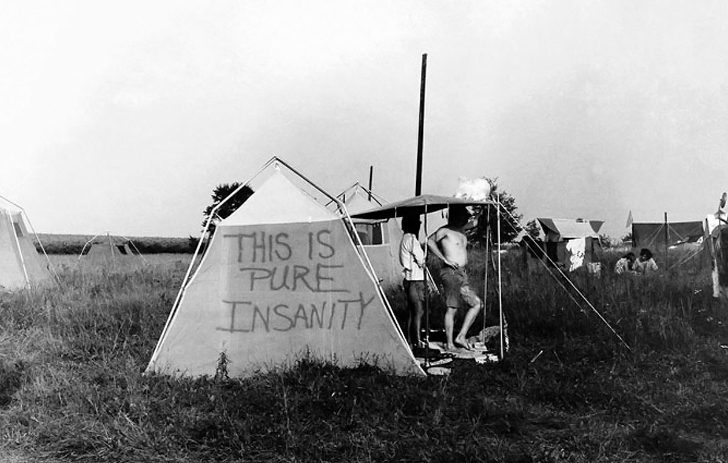
Nothing was set up in a way that made sense. Finding basic supplies turned into a scavenger hunt. There were no lines, clear paths, or predictable seating, and no cell phones to reconnect with anyone. It became a human traffic jam, where you’d get spun around and suddenly lose your spot.
“Going a little crazy” was not just a figure of speech. Food ran low, places to stay were scarce, and people pitched tents right in the field. Roads were clogged from the nonstop arrivals; stepping out to regroup was not an option. Announcements kept coming, but the crowd kept pushing in, worsening the situation.
Why This Fence Moment Has Everyone Grinning
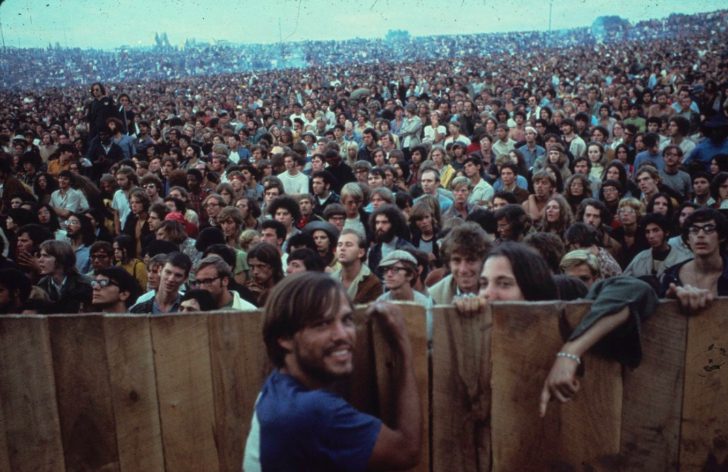
The funniest part of this photo is how the energy matches on both sides of the fence. One guy is posted up alone, across from a group that looks thrilled, as if sharing the same joke without words. The backstory is a mystery, but the vibe is clear: he looks ready to hop over and join the party. The girl seems to guide him, like, “Yep, this way, go for it.”
Alternatively, the solo guy might not be trying to break in at all. He could be working the event, part of the crew, keeping the crowd from surging forward when excitement hits. The smiles fit, as sometimes even a “security” moment becomes a shared celebration. Either way, the fence is the main character here, dividing people who look equally hyped.