
The Viking Wedding “Receipt” That Made Marriage Official
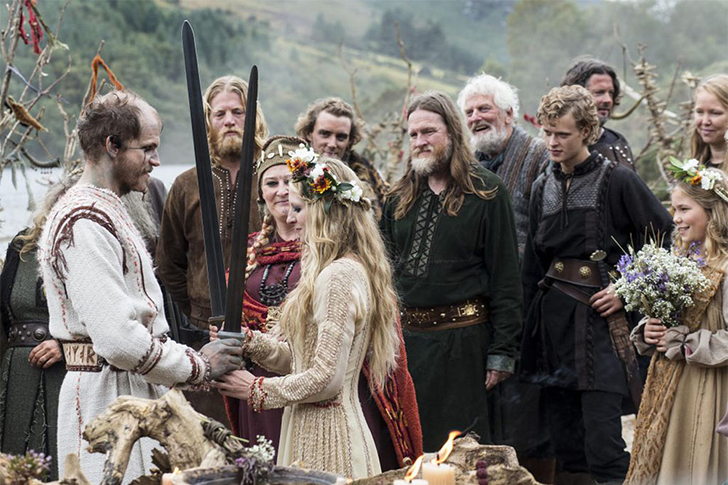
Viking weddings were not just a sweet moment by the fjords with a few toasts. They were high stakes family business. The groom’s side presented the mundr, a bride price, to prove his means to support a household. Love could be part of it, but the paperwork came first.
The bride’s family contributed the heiman fylgia, a dowry of goods like land or silver, matching the mundr's value. In Iceland, the minimum mundr was eight ounces of silver. These exchanges turned marriage into an economic and social alliance, tying families to the same future. It was romance and strategy.
The One Thing Viking Ships Didn’t Have, Cabins
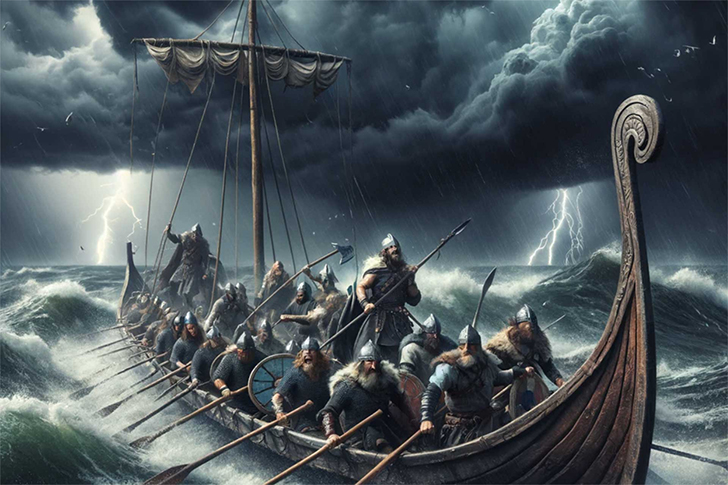
Viking vessels like longships and knarrs were basically all deck and no privacy. There weren’t sheltered cabins or little rooms tucked below for the crew. The boats stayed open to the sky, which meant the same planks were your workplace, dinner table, and bed while you crossed the sea.
When they beached for the night or set up camp, they often dropped the big sail and draped it over the hull like a quick-and-dirty tent, cutting the wind and keeping things drier. Out on open water with no land anywhere, the crew huddled close under thick animal-skin blankets, trying to hold onto warmth against cold spray and rough weather.
The Surprising Thing That Made Cats a Viking Good-Luck Symbol
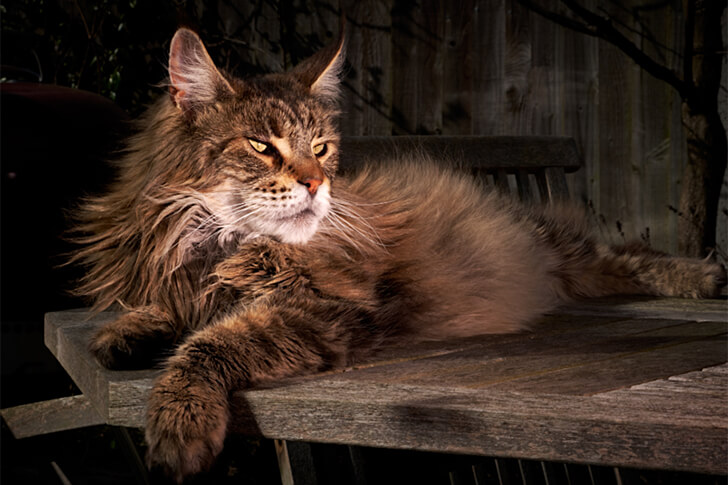
Vikings didn’t just tolerate cats; they gave them status, thanks to myth and daily life intertwining. In Norse stories, Freyja, the goddess linked to love and fertility, rides in a chariot pulled by two big cats. That image greatly contributed to making cats symbols of luck and affection in Viking culture. Archaeologists have found cats buried alongside people in Viking Age graves, suggesting they were valued as companions and household members, not just mousers.
Evidence for Vikings gifting kittens at weddings is sparse. Yet traditions connected cats with blessings for brides and good omens ideal for celebrations, especially in the late 800s and early 900s. Thus, even if the “wedding kitten” tale leans more on folklore than fact, it aligns with the era's beliefs. Cats weren’t just background animals; they were a bridge between belief, luck, and daily routine.
The Mystery Behind Those Viking Tooth Grooves
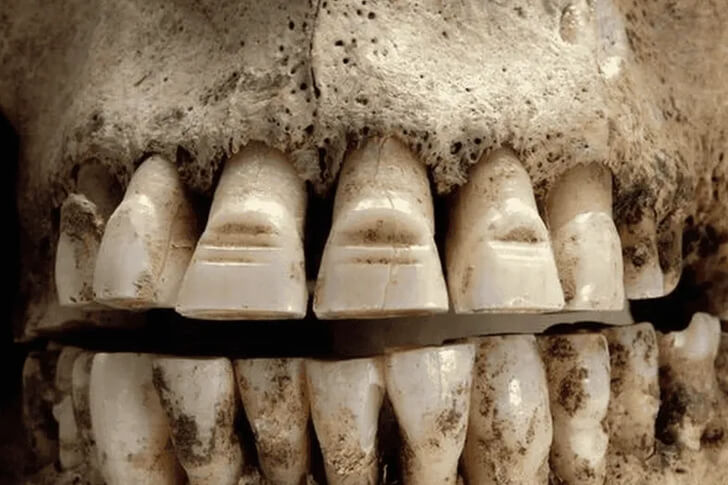
Archaeologists keep finding a peculiar detail in Viking Age graves: the upper front teeth of about 130 men are carved with grooves. These grooves are precise horizontal lines, not accidental nicks. This pattern frequently appears in the graves on Gotland, a Swedish island crucial to Baltic trade, and at busy hubs like Kopparsvik, where various cultures converged.
Experts believe these grooves were intentionally made by others, as achieving such precise filing would be difficult alone. The prevailing theory is that they indicated status or group identity, perhaps linked to merchant networks or a specific social role in Norse society. Most modified teeth date to the 10th and 11th centuries and are mainly found in Scandinavia.
The Weird Crystal Vikings Used to Find the Sun
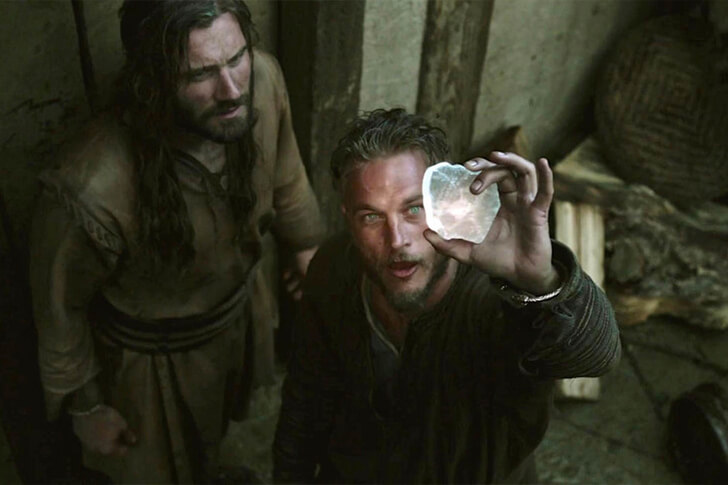
Way before magnetic compasses, Viking sailors may have relied on something out of a fantasy novel. Medieval Icelandic sagas mention a sólarsteinn, or “sunstone,” that a sailor could lift toward the sky. Even when clouds rolled in or sea fog obscured the horizon, the stone was said to help reveal the sun's location, offering a reliable sense of direction despite uncooperative weather.
Researchers think the “sunstone” was probably a polarizing crystal, potentially Iceland spar, known for manipulating light. By rotating this crystal, a navigator could discern the sun’s position even when hidden. Experiments and old stories suggest navigators might have used this method around the year 1000 to maintain a consistent heading across the North Atlantic, crucial in an era where getting lost was perilous.
The Vikings’ Most Chilling “Souvenir” Wasn’t Gold
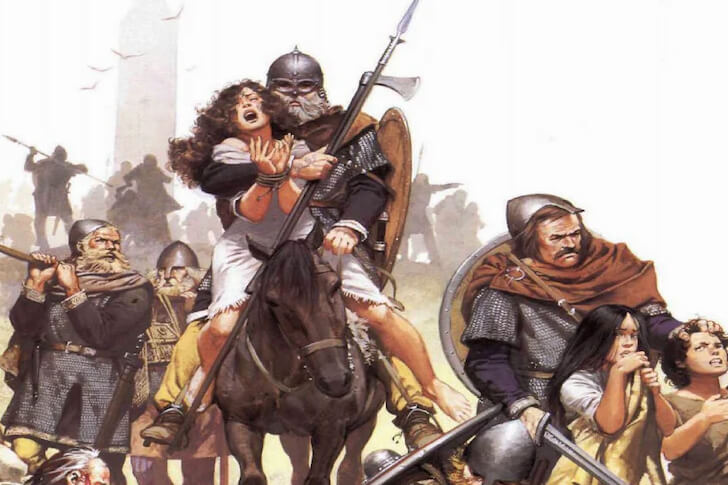
When Norse warbands attacked towns, they sought more than loot; they seized people to become thralls, their society's enslaved captives. While men and children were taken too, women were primarily targeted, with some sold, kept as household laborers, or forced into sexual servitude. Raids marked the start of a coercive new life for many captives.
The Annals of Ulster grimly specify the scale: in 821, a raid near Dublin reportedly carried off “a great number of women.” This was not random chaos but a structured economy. Vikings moved captives across Europe and into Middle Eastern markets, exchanging them for silver, silk, and high-value goods. Women were treated as property, absorbed into households, or condemned to lifelong servitude.
The Viking Helmet Myth: Why Those Horns Never Existed
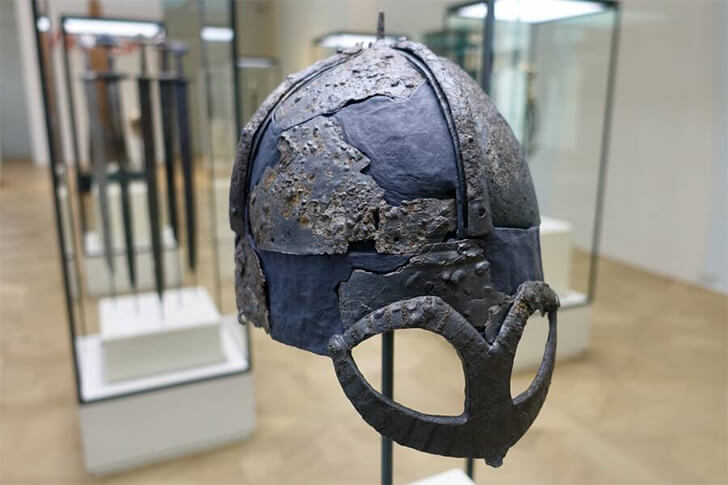
You’ve likely seen Vikings depicted with big, dramatic horns on their helmets, exuding a "fearsome" vibe in cartoons and sports logos. Yet archaeology contradicts this image. From the Viking Age (793 to 1066 AD), no horned helmets have been unearthed. If horns were standard battle gear, we'd expect some artifacts by now.
The genuine relics, like Norway's iron Gjermundbu helmet and fragments from Denmark, Sweden, and Ukraine, are purely functional, lacking horns. This horned concept emerged later, popularized by 1800s artists and opera costume designers seeking dramatic effect. Great for stage presence but impractical for combat, it's not authentic Viking attire.
The “Viking Skull Cup” Myth, and the One Object It Actually Came From
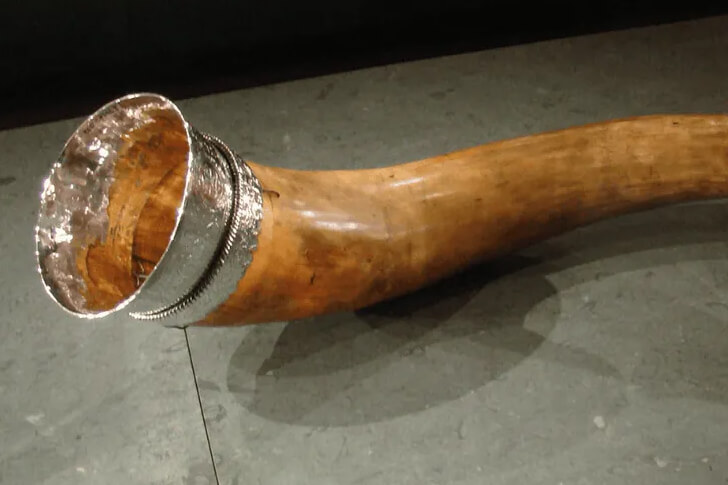
That classic horror movie picture of Vikings guzzling mead from their enemies’ skulls sounds juicy, but it is basically a translation face-plant. In the skaldic poem Krákumál, there’s a poetic kenning that, taken literally, reads like “the curved branches of skulls.” It is not a DIY guide to turning people into drinkware. It is flowery language pointing to drinking horns, the kind made from animal horn, not human bone.
In the 1600s, readers took that line the wrong way, and the story latched onto the Viking brand. Old Norse texts and archaeological findings show a less metal picture: cattle or goat horns, sometimes dressed up with metal fittings, passed around at feasts and used in rituals for mead or ale. So yes, they drank from horns, just not the kind made from someone’s head.
Why a Bowl of Onion Soup Could Decide Your Fate
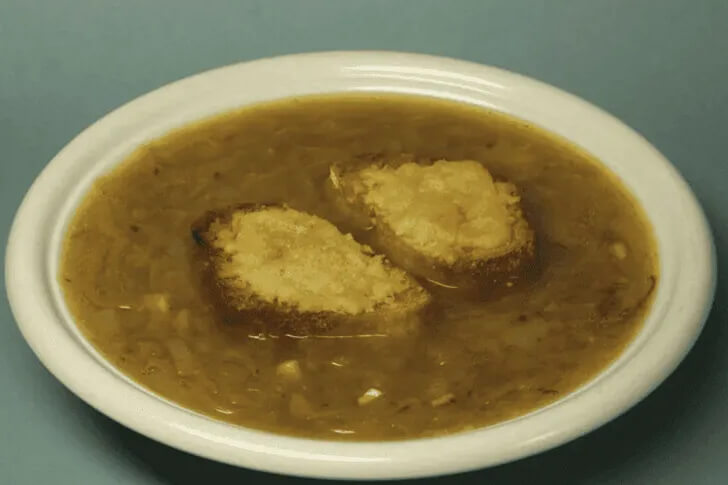
Viking-era medicine was both tough and inventive. In Norse sagas written in the 1200s, healers used a surprisingly simple method to judge stomach wounds. When a warrior returned with a belly injury, the healer didn't use tools or prayers. Instead, they served a strong onion or leek soup and asked him to eat it. The real test began after that.
If a sharp smell of onion, leek, or garlic emerged from the wound, it indicated the gut was pierced, making the injury dire. No smell meant intact intestines, giving the warrior a fighting chance. It might sound wild, but for the year 1200, it was practical detective work—no labs or scans, just pungent soup and a grim conclusion.
The Silver Trick Vikings Used to Make Trouble Disappear
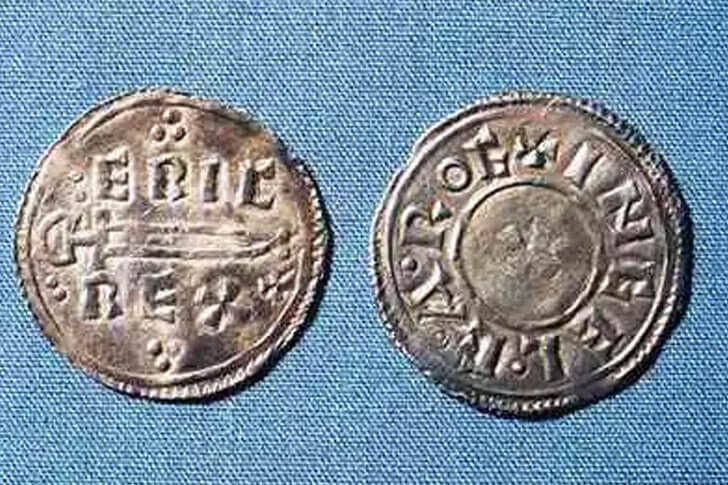
When Viking crews arrived at monasteries or trading towns, they offered a simple deal: pay or face destruction. In England, leaders sometimes chose to pay to maintain peace. The payment, known as danegeld, meant “tribute to the Danes.” It was medieval protection money and often felt like the only choice.
A notable early case occurred after the Battle of Maldon in 991 CE. With intense pressure, English authorities paid 10,000 pounds of silver to make the Vikings retreat. However, the payoff rarely solved the issue permanently. It either bought time or signaled that more silver could be extracted later, enriching the invaders and heightening their fearsome reputation.
The Viking “Game” That Turned a River Into a Weapon
Vikings didn’t exactly do “friendly” competition. Some of their water games, especially those in the Laxdaela saga and other Norse tales, resembled controlled drowning contests rather than swim meets. It wasn't about speed or style but raw strength and endurance. Two men grappled in the water, forcing each other under to keep their rival submerged longer while the river amplified their efforts.
One account features Kjartan and an unnamed foe going under repeatedly, neither conceding. They'd wrestle, vanish beneath the water, then burst up for air, only to plunge again. Victory came by holding the opponent deep until he relented. It was brutal, simple, and distinctly Viking, serving as public proof of toughness, nerve, and grit in their society.
The Weirdest “Armor” in the Sagas, Reindeer Hide Coats That Wouldn’t Cut

In Viking Age Scandinavia, reindeer hides were used for various purposes. Still, one saga detail is unforgettable. In Heimskringla, written by Snorri Sturluson around 1225, chieftain Thórir Hund orders twelve reindeer skin coats during winters spent trading with the Sámi. According to the tale, the pelts were imbued with magic, making them impenetrable by blades, acting like a wearable wall.
This enchanted reindeer-hide “armor” appears at the Battle of Stiklestad in 1030, a saga moment blending gritty history and the supernatural. Whether as literal protection, a reputation boast, or just storytelling, the point is clear: Thórir is dressed for both cold and war, wrapped in hides no weapon could cut.
The Weird Tree Fungus Vikings Used to Carry Fire on the Go
Vikings weren’t just about raids and longboats; they had clever tricks for preserving fire. A key technique used Fomes fomentarius, or touchwood. They’d harvest this fungus, then boil it in stale urine for days. The nitrates from the urine soaked into the fibers, enhancing its flammability.
Once dried, the fungus became a smoldering tinder that didn’t flame immediately but could steadily ember. This slow burn was crucial. Vikings carried small pieces on sea voyages as portable fire starters, ready to spark into flames when warmth or cooking fires were needed.
The Viking-Era Baby Rule That Sounds Unbelievable Today
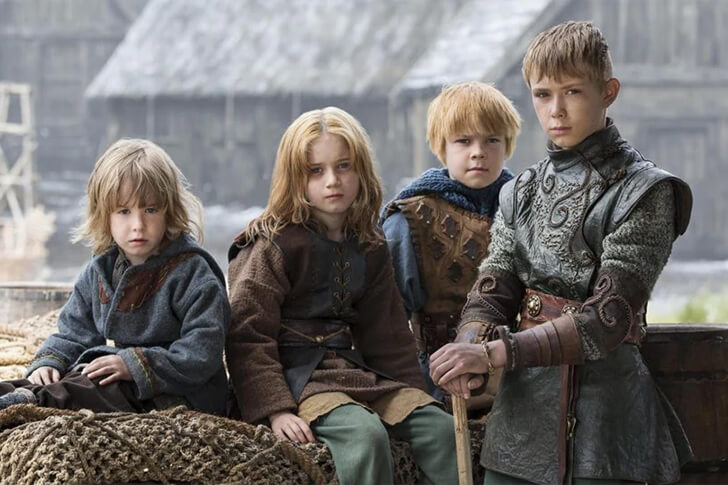
In Viking Age Scandinavia, survival often trumped compassion. Some Old Norse texts describe a grim practice: families could "expose" infants with severe deformities by leaving them outside to die. This was seen as necessary. A child unlikely to live was viewed as a strain on resources. In a harsh world of hunger, injury, and short winters, survival dictated many decisions.
Sagas and later laws suggest this brutal calculation was part of the cultural fabric, especially before Christianity spread in the early 1000s. The practice, though unpleasant, seemed understood. During sea voyages, space and supplies were limited. Groups might abandon a weak newborn rather than struggle to keep the baby alive on a cramped ship. It starkly reminds us how "normal" shifts when survival is paramount.
The Viking Tooth Clue That Reveals Travel’s Hidden Price
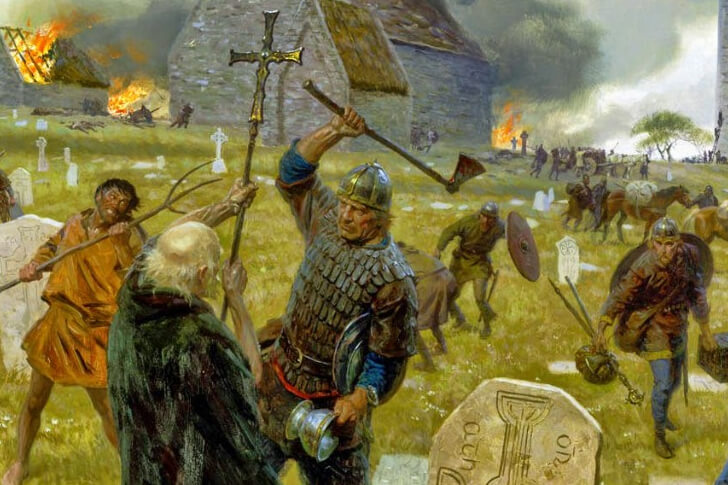
Viking trips involved more than trade and exploration; they inadvertently spread germs. Researchers extracted DNA of the smallpox virus from teeth and bones found at burial sites in Denmark, Norway, Russia, Britain, and Sweden. These remains range from AD 600 to AD 1050, overlapping with the Viking Age. The findings suggest recurring outbreaks rather than isolated incidents, indicating the virus traveled with people and goods.
The smallpox strains identified are distinct from later versions, implying the virus circulated and evolved well before the year 1000. As Vikings journeyed along rivers, coastlines, and bustling ports, they frequently encountered new communities, hastening the spread of infections. Alongside silver, spices, and tales, they likely brought back illnesses—unwanted "souvenirs" of their extensive travels.
The Ox Hide That Turned a Viking Argument Into a Court Case
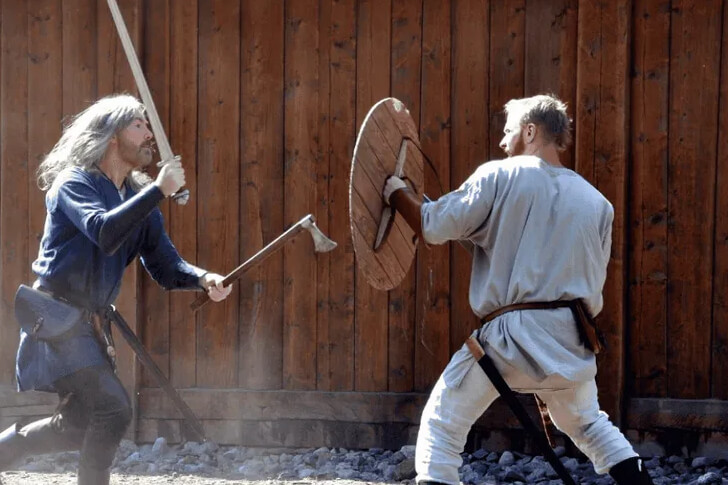
When Viking feuds couldn’t be settled through conversation, some chose holmgang, the official duel. It was a recognized method to resolve disputes over honor, land, debts, or legal issues. The combat could occur on a tiny island or within a marked ground, transforming personal drama into a loud, sharp courtroom.
To legitimize the fight, a large ox hide was staked down to form a square arena around ten feet per side. Fighters entered with three shields, exchanging blows in a rhythm. Bleeding, retreating, or stepping out meant losing the fight, argument, and case.
The Holmgang Trick That Let Vikings Walk Off With Your Land
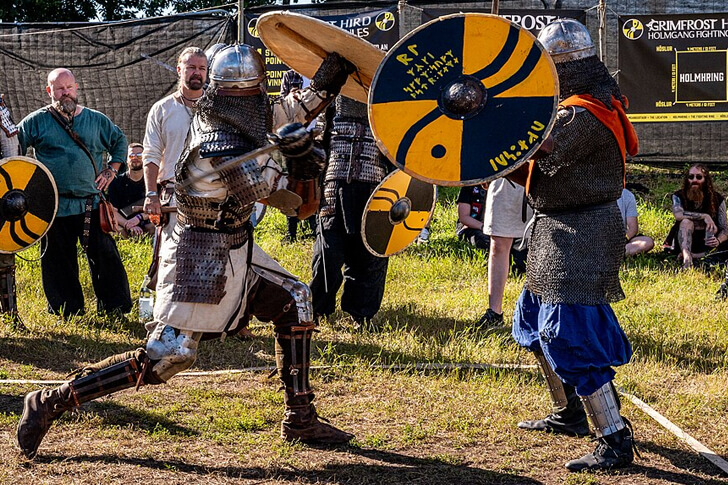
Holmgang, the Viking-era duel system, aimed for fair conflict resolution: two enter the ring, and the outcome is decisive. Yet rules breed loopholes. Sagas and laws note that winners often seized the loser’s land, enticing misuse. Skilled fighters would claim possessions or even spouses before the duel, leveraging prowess to “earn” these spoils legitimately.
Such mercenaries warped holmgang into a legalized form of theft, targeting weaker foes to force duels and then using the legal victory to claim prizes. The situation grew dire enough that Iceland banned holmgang in 1006, with Norway following in 1014, signaling the duel had become more about exploitation than justice.
The Sneaky Viking Words Hiding in Your Grocery List
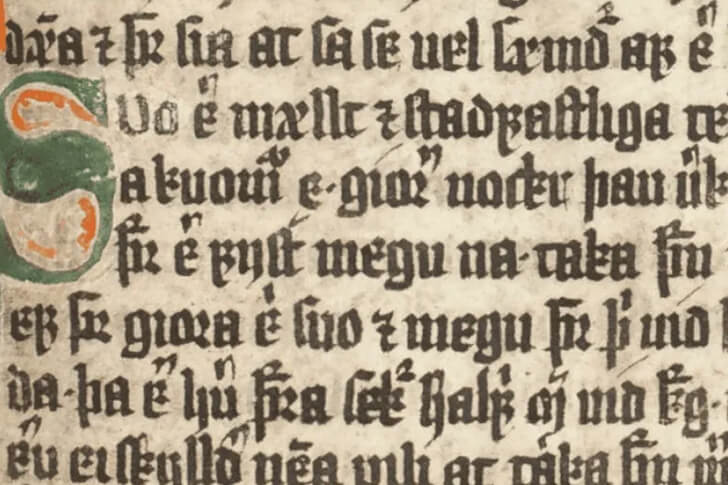
English speakers picked up more than just a swords-and-shields vibe from Norse settlers. When they mixed with Anglo-Saxons in Britain during the Viking Age, their languages mingled and Old Norse words slipped into English between roughly 870 and 1066. Words like ugly, egg, knife, die, give, and husband feel so normal today, but they trace back to Norse roots introduced through daily life.
Some of these imports muscled out older English terms; others settled in alongside them, becoming part of the furniture. Surprisingly, the influence even altered core grammar like pronouns—‘they’ comes from Old Norse, leaving a permanent fingerprint. The Vikings did not just visit; they helped shape how English works.
Why Did Viking Wrestlers Put a Huge Rock in the Ring?
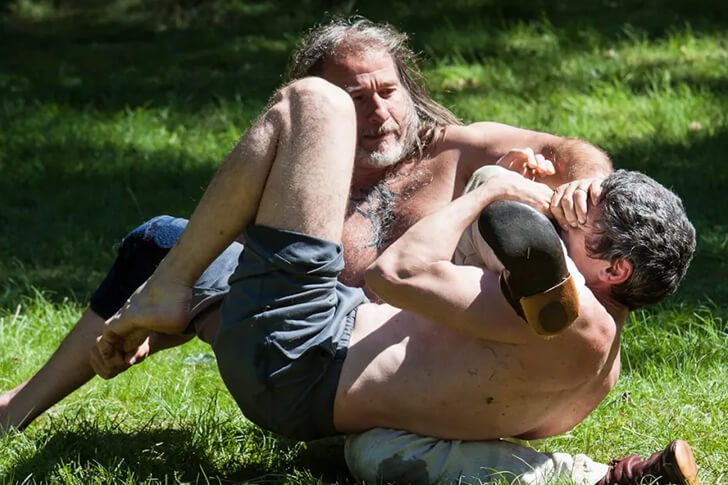
Viking wrestling was not always a polite grab-and-spin. In glíma, sometimes called fang, matches could get so nasty that a big, flat stone was placed right in the middle of the ring. Saga-era Old Norse stories mention this rock at the grappling spot. If you could twist or dump your opponent onto it, you risked broken bones and worse. It turned a test of technique into a survival drill.
That stone was not for decoration or footing. It was an extra hazard, measuring toughness, strength, and nerve. One hard shove, trip, or clean throw onto the rock could end the contest or even a life. That is the intensity competitive wrestling reached in Viking lands, where grit was part of the rules.
The Viking Board Game That Beat Chess to the Party
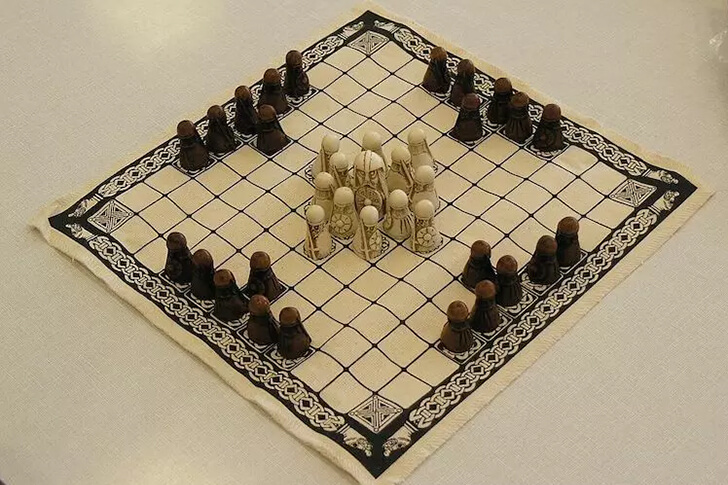
Way before chess became Europe’s go-to brain sport, Vikings were into a strategy game called hnefatafl. Picture a tense standoff on a board, with one side protecting a king in the center and the other side surrounding him. The defenders weren't trying to “win” in the usual sense but aimed to escort the king to safety while attackers closed in.
This wasn't some niche pastime. Archaeologists have found hnefatafl boards and pieces in Viking graves and old settlement sites in Scandinavia, Ireland, and the Orkney Islands. Materials varied from wood to carved bone and ivory, showing that people played it at different levels of wealth. Clearly, this clever board game was a real Viking Age favorite before chess stole the spotlight.
The One Viking Battle Trick That Made Berserkers So Terrifying
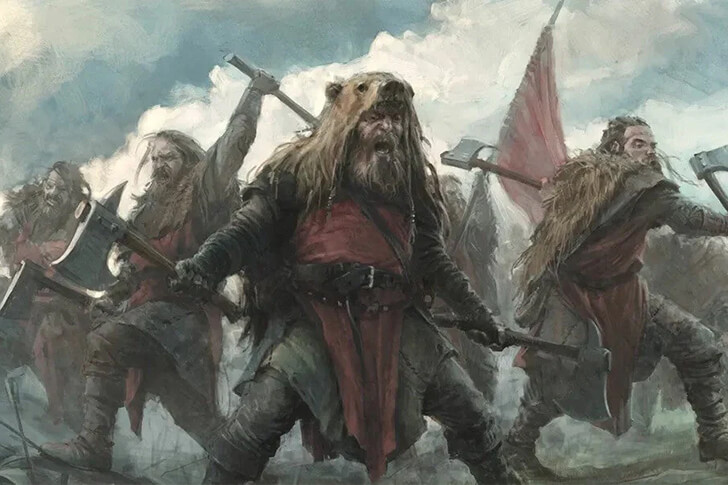
Viking armies had elite fighters called berserkers. Old Norse writings describe them entering berserkergangr, a trance where rage took over. They howled like animals, frothed at the mouth, and even bit their shields. They surged forward, more storm than soldier.
Leaders placed them at the front to smash enemy lines and induce panic. As shock troops, their role was to hit hard, scare harder, and shatter foes for those behind. Sagas mention figures like Harald using this intimidating tactic. They barely felt pain or danger once the frenzy began. Whether literal or not, their fearsome reputation inspired both dread and admiration in Viking warbands.
The One Viking Battle Habit That Freaked Everyone Out
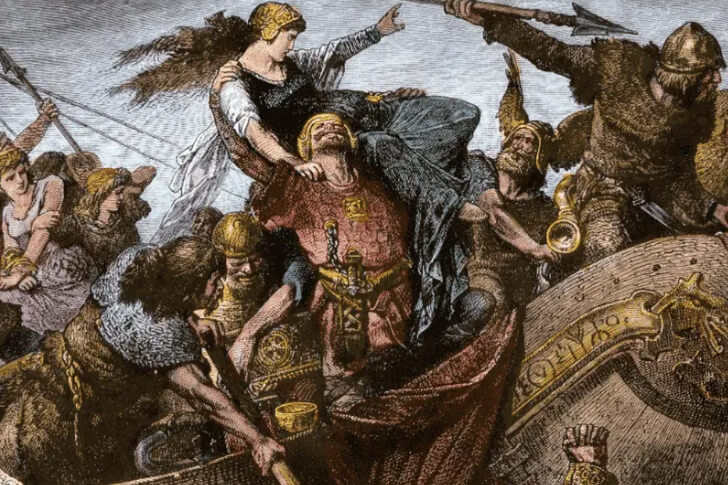
Berserkers entered a trance-rage in battle where everything reduced to noise, blood, and movement. Old accounts describe them so consumed by fury that they couldn’t distinguish friend from foe. They were depicted biting shields, roaring like animals, and charging anything in sight when berserkergangr hit. This uncontrollable fury was advantageous in war but marked them as weapons that couldn’t be easily directed.
This unpredictability threatened community stability. Attacks on allies or bystanders posed serious safety issues beyond “legendary warrior stuff.” Leaders sought order with laws and bans. In 1015, Eiríkr Hákonarson outlawed them, and Iceland’s medieval law code, Grágás, classified berserker fits as criminal. The clear message: rage might win battles, but it had no place in settled society.
The Strange Little Plant That Might Explain Berserker Rage
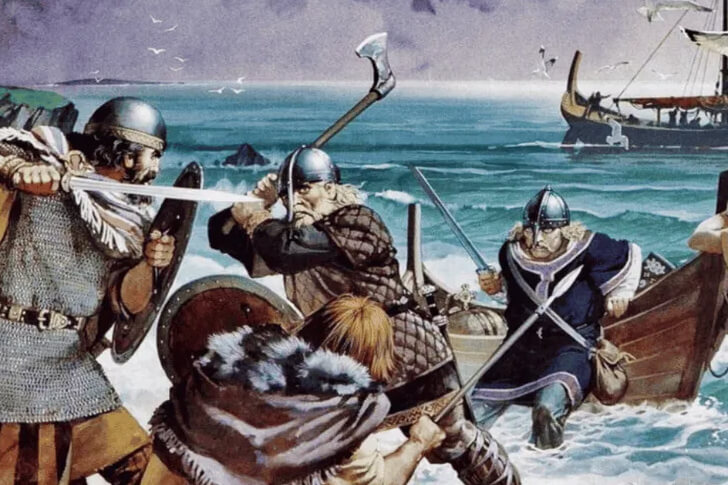
Historians believe Viking warriors used more than just courage in battle, possibly relying on mind-altering plants. One prime suspect is black henbane, a nightshade known for its toxicity across northern Europe. Modern research associates henbane with aggression, numbness, poor judgment, facial swelling, tremors, and dilated pupils. These effects can make someone appear and act as if they have lost control.
This aligns with saga descriptions of berserkers being immune to pain and fiercely aggressive. Archaeologists have found henbane seeds at Viking-era sites in Denmark, some dating back to around 980. While not every warrior might have used it, the plant's presence and effects provide a credible reason for tales of intense battlefield madness.
The Secret Behind Viking Longliners, and Why They Ruled the Open Sea
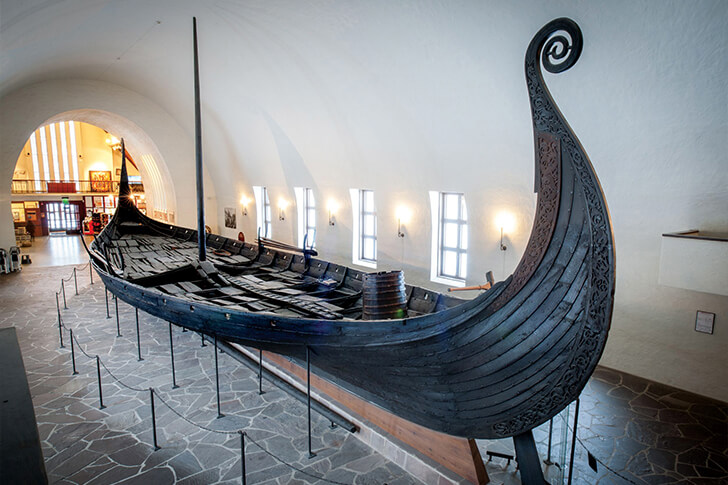
Viking longliners, the sharp, elegant ships most of us picture when imagining Norse sailors, headlined Viking Age sea routes. Built with the clinker technique, long oak planks overlapped like shingles, creating a hull that could take a beating. The result was a tough but flexible boat, designed to handle rough waters, crucial for venturing beyond the coast.
Overlapping planks left seams, but shipwrights had a fix. They packed gaps with moss, wool, or animal hair, soaking it in tar or tallow for a tight ocean seal. This messy trick enabled open-water travel, pushing Vikings from Scandinavia to Ireland and Greenland, using the dependable design for trading, raiding, and long voyages.
The Surprising Speed Trick Behind Viking Longships
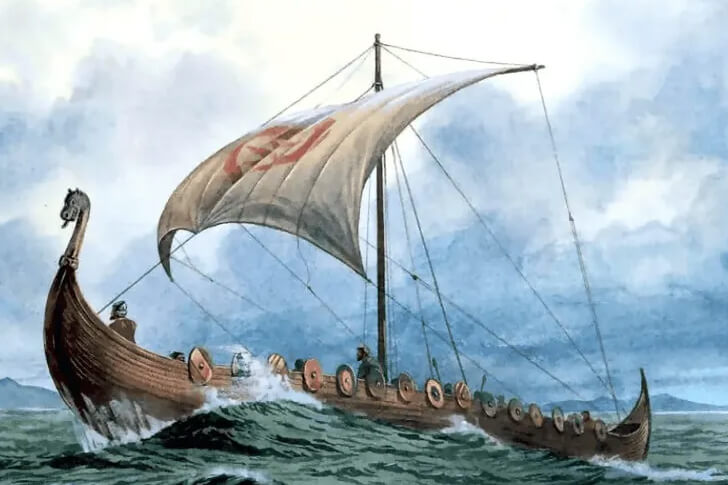
Viking warships and merchant ships weren’t lazy drifters. These slim boats moved using both sail and oars. In decent wind and manageable seas, they held 5 to 10 knots. On a calm day with a perfect breeze, they could sprint up to nearly 15 knots, about 17 miles per hour. In the medieval world, that speed impressed.
It wasn’t just a party trick; it changed possibilities. At that pace, a well-handled ship could cover up to 125 miles a day under sail. Such speed allowed crews to plan bold routes, hop along coasts, and still make time. This is why Vikings weren’t limited to nearby waters; they reached far-off places during the Viking Age and kept coming back.
The Viking Horse-Fighting Ritual Hidden Behind One Specific Word
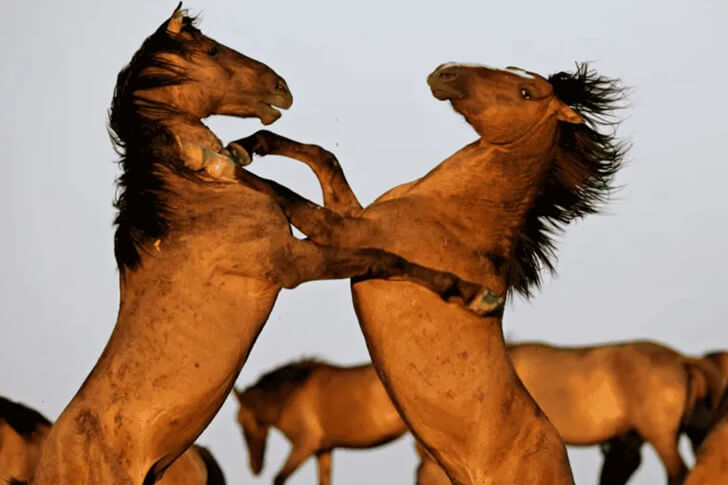
In Viking-age Iceland, crowds gathered for hestavíg, a stallion showdown for pride, status, and breeding bragging rights. Sagas describe how, from the 10th century, two powerful horses were pushed toward each other until one ruled the arena or retreated. Spectators watched dominance play out, with reputations and the animals' prowess at stake.
The handlers didn't just watch; they spurred the stallions on with shouting and sticks, while the scent of nearby mares heightened the tension. It involved chest-to-chest shoving, biting, and striking—a harsh trial of power and nerve. This was no polite sport; it mirrored the Viking spirit: loud, physical, and obsessed with proving toughness.
The One Word That Proves “Viking” Was Never a Nationality
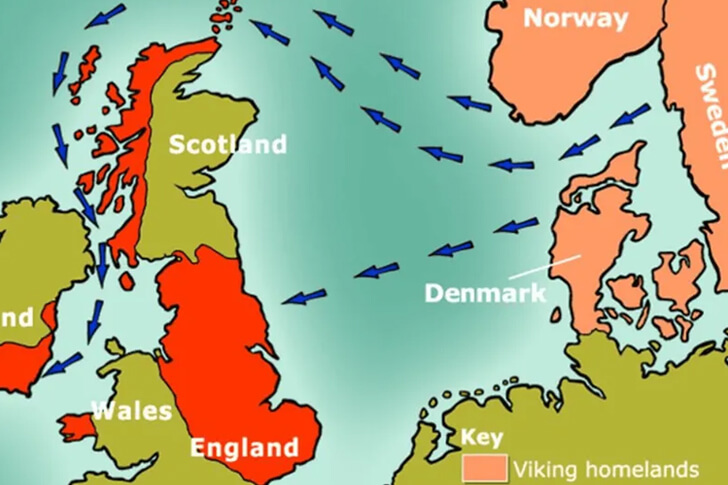
Calling someone “a Viking” is like calling Mexicans and Canadians “North Americans” and pretending it tells you much. The people we lump under that label were Norsemen from Denmark, Norway, and Sweden—different corners of what we now call Scandinavia. They weren’t a unified nation, but shared culture and language. Old Norse, emerging around the 8th century, influenced Danish, Norwegian, Swedish, Icelandic, and Faroese.
Here’s the twist: “Viking” started as a term for someone on a sea raid, more job description than national identity. Only later did it become the broad label we use today. What linked these groups wasn’t a ruler or flag, but shared roots, customs, and language echoing across the region.
The One Weapon That Put Viking Muscle at a Byzantine Emperor’s Side
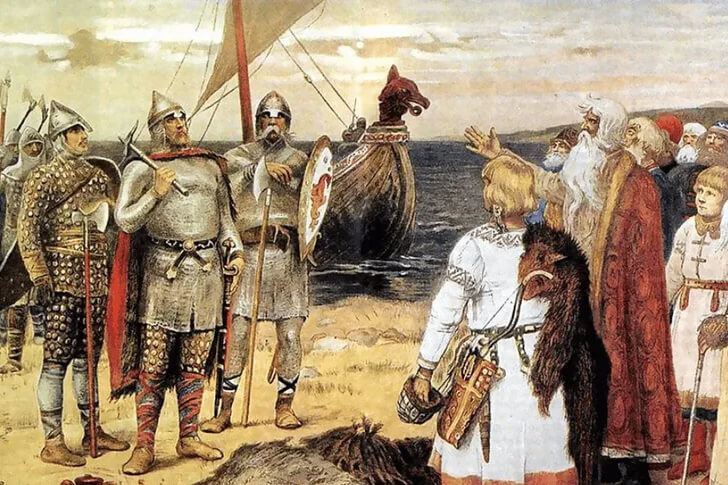
When Byzantine emperors needed an incorruptible personal guard, they turned to the Varangians, Norse warriors celebrated for strength and loyalty. This elite force rose to prominence under Basil II in 988, when Prince Vladimir of Kyiv sought help during a civil conflict. In return, Basil received fighters who viewed guarding the throne as a profession, not a political play.
In Constantinople, these men became the emperor’s shadow during ceremonies, crises, and war. Their lack of local ties made them less susceptible to court intrigue than native troops. This outsider status rendered them trustworthy in a city rife with shifting allegiances. For the ruler, foreign steel provided a sense of security that was truly dependable.
The Louvre’s Secret Origin Story, It Starts With a Viking-Proof Fortress
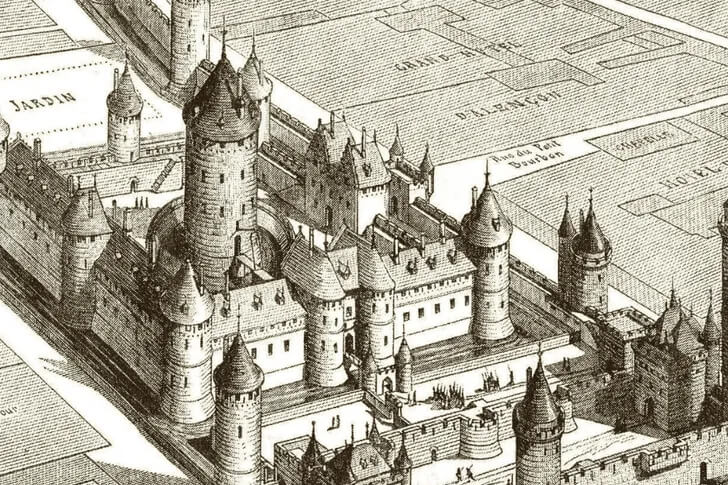
Before the Mona Lisa ever smirked, King Philip Augustus ordered a fortress around 1190 on the Seine’s right bank as a defense against invaders. Paris had grappled with Viking raids, like the siege of 885–886, so he turned it into a defensive anchor for the city.
The fortress boasted thick walls, squat towers, and a moat fed by the Seine to block attacks and guard the western approaches. It functioned as a military stronghold, not a museum, solidifying the city’s defense. Remarkably, those ancient defenses remain below, hidden beneath today’s galleries, under the art and elegance.
The One Viking “Courtroom” That Worked Like a Town Meeting
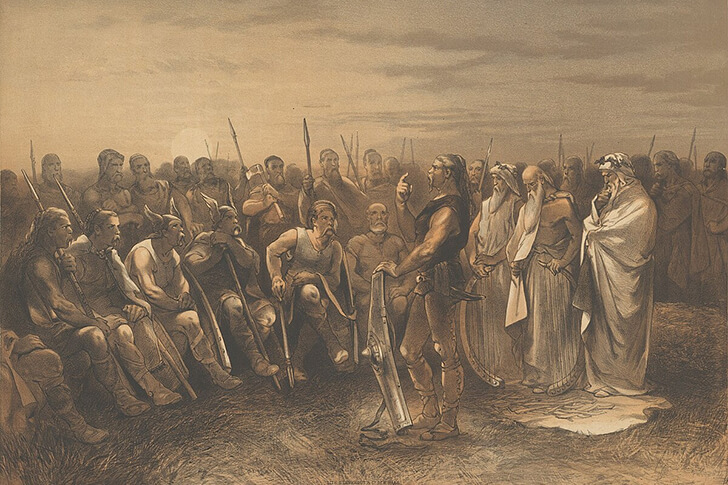
In Viking society, justice was not a private matter. It unfolded publicly at an assembly called the Thing (from Old Norse þing, meaning “gathering”). Free men from a village or region gathered to resolve disputes, voice complaints, and address community questions. Imagine it as a mix of court day, community meeting, and local politics, all visible to everyone.
When it was your turn, you presented your case while any supporting witnesses spoke too. Preventing chaos was the lawspeaker, who recited memorized laws to guide decisions. Free men didn’t just judge arguments; they helped shape laws and considered major political issues. The Thing wasn’t just for settling grudges; it was a vital source of order and authority in Viking life.