
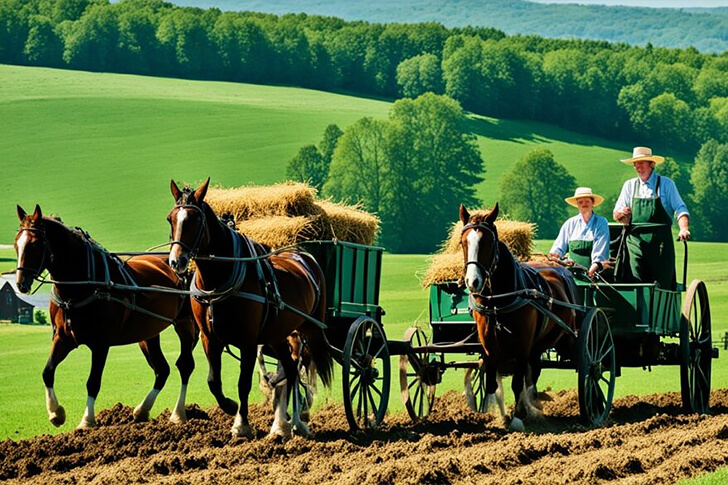
The Amish can seem like they stepped out of another century, but on the money front, they’re basically running laps around the rest of us. While many people chase upgrades, trends, and shiny new stuff, they keep it simple and stick to what actually matters. No constant “must-have” purchases, no lifestyle inflation, no clutter disguised as convenience. It’s a back-to-basics approach that quietly blocks a lot of the spending traps modern life sets for us.
They’re also pros at dodging impulse buys, and that alone is a budget superpower. Instead of tossing things when they wear out, they mend, patch, and fix. Instead of relying on pricey takeout or packaged shortcuts, they cook from scratch and make the most of what they already have. The result is less waste, fewer regrets, and more control over everyday costs. Borrow a few of these habits, and saving money starts to feel less like punishment and more like freedom.
The Amish Playbook for Living Well on Less
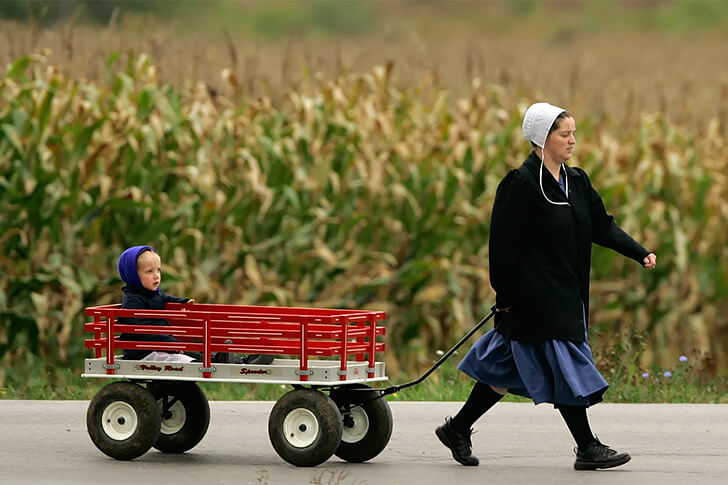
The Amish trace their roots to 17th-century Switzerland, splitting from the Swiss Anabaptists for a simpler life. They're known for plain clothes, horse-drawn buggies, and a “make it, fix it, use it” mindset. Avoiding modern tech isn't about being quirky; it's about fewer distractions. Living in tight communities, they handle much in-house, avoiding consumer noise and debt. Aaron, their leader, often encapsulates their approach: "Own less, live more." Priorities are simple: family, faith, work. They buy once, buy well, and keep things uncluttered—frugality with backbone. Relationships matter greatly; neighbors help one another, sharing skills, crops, and resources. This lifestyle means they lead lives that are rewarding in ways many struggle to understand, yet profoundly fulfilling.
Their No-Drama Approach to Keeping Debt in Check
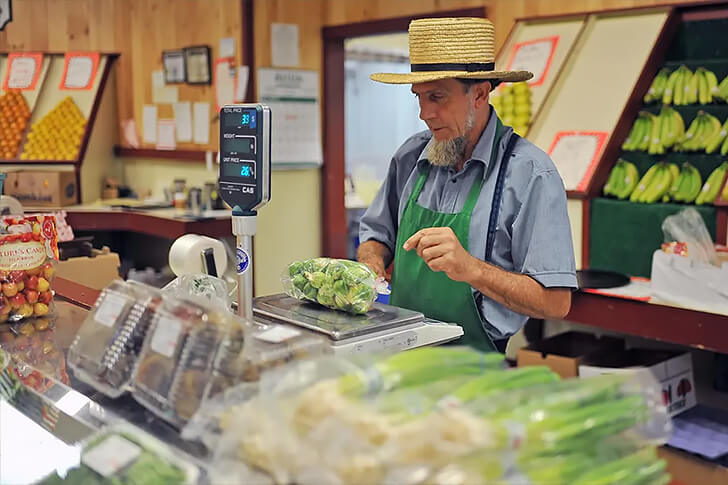
For the Amish, loans are more “use if you must” than casual. They borrow for major purchases like a farm, home, or workshop, avoiding extras or impulse buys. Loans serve as a short-term bridge, not a lifestyle. The goal? Pay it down swiftly and own outright soon. Their approach treats debt as a temporary nuisance, like a pesky fly, avoiding years of interest and endless payments. By borrowing only when necessary and staying disciplined about repayment, they maintain stability and avoid money stress. This calm, careful method is surprisingly effective.
How Amish Potlucks Keep Food Costs Low
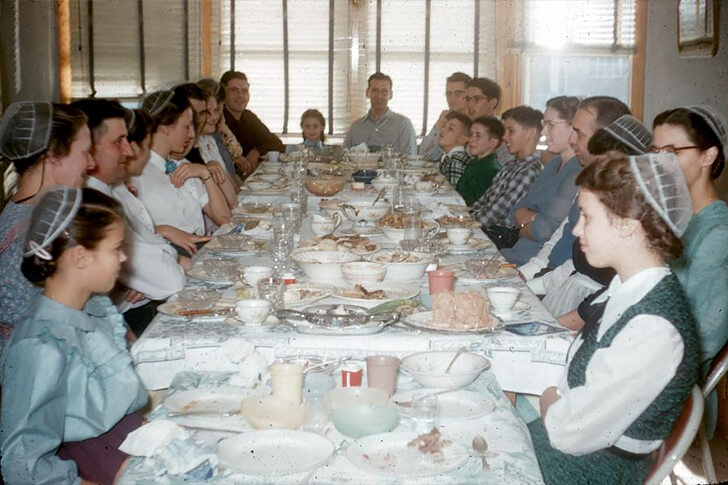
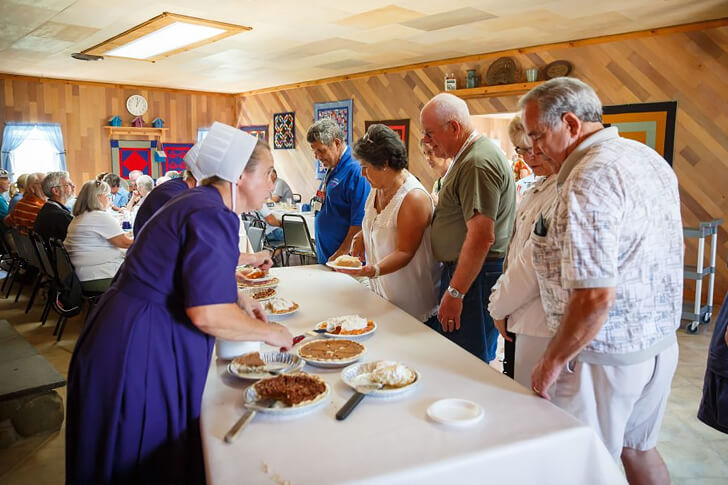
In these communities, Sunday isn’t only about slowing down; it’s the unofficial weekly feast. Families and neighbors gather after church, filling the table with homemade dishes. Each person brings something—casserole, bread, pie—creating a spread without a single household footing the bill.
Ranging from hearty meats to garden-fresh sides and quick-to-disappear desserts, it's practical and cost-effective. Shared work and ingredients keep costs low, preventing burnout. It’s community building with common sense, reminding us that warm meals and smaller grocery bills can coexist.
Power Out? They’re Already Fine
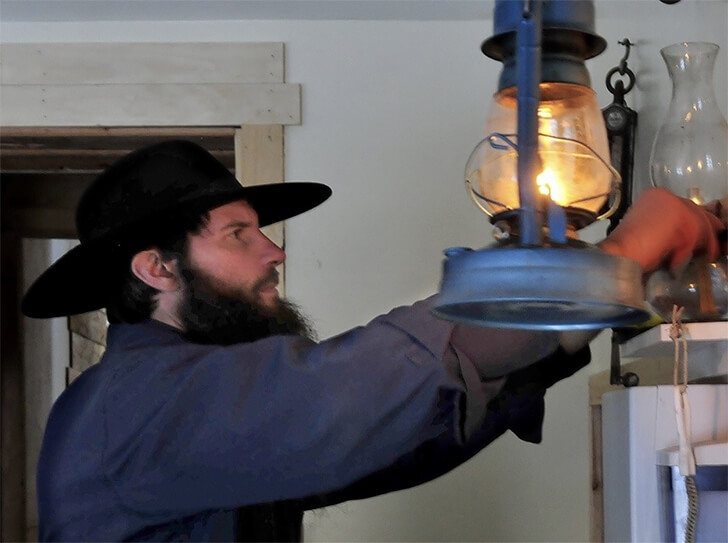
They’re not just dodging electric bills, they’re opting out of electricity entirely. No outlets or frantic searches for a charger. Their no-power lifestyle seems almost effortless. When the sun goes down, it’s gas lamps and candles, offering warm light. Cooking on wood-burning stoves means “home-cooked” has real meaning. It’s simple, practical, and charming once you embrace the unplugged idea.
Laundry is no push-button affair—think hand-cranked wringers and plenty of elbow grease. Without power costs or constant gadget upgrades, their households run lean. This results in a frugal routine that lowers spending and shifts focus to family, work, and everyday basics.
Waste Less, Amish Style: How They Make Every Bit Count
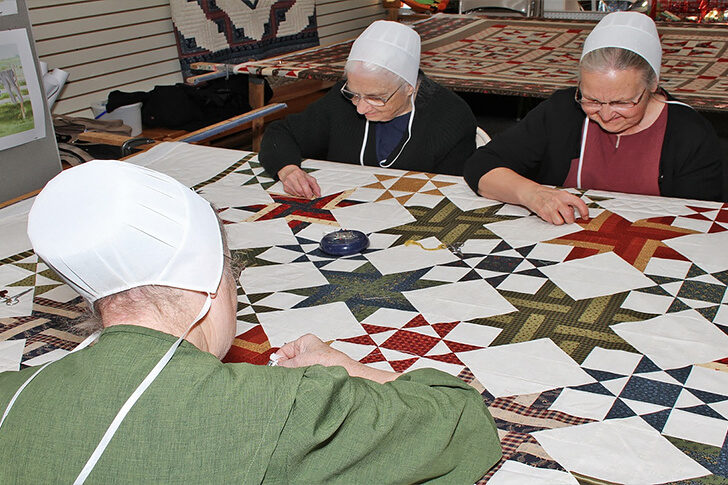
In Amish life, nothing is wasted. Worn clothes transform into beautiful quilts, and kitchen scraps become valuable compost. They buy in bulk, using canning jars and root cellars to keep everything fresh. This repurposing habit ensures that little goes unused. It’s not just minimalist—it is also a real money saver. The frugal nature of their lifestyle plays a significant role in reducing waste. If budget stretching is your goal, take a page from their book. Getting creative with leftovers cuts down on waste, trims grocery costs significantly, and extends the life of your purchases. Explore new recipes that utilize ingredients you have on hand, or create your own version of old favorites to maximize what you already possess.
Amish Teens and Their “Wild” Year Out

Imagine growing up Amish, then getting permission to explore the “English” world. This is Rumspringa. At 16, teens can step outside usual rules for a taste of modern life. Some swap plain clothes for denim, ride in cars, or grab fast food. It’s not a dramatic break but a peek beyond the farm.
The goal? Experience outside life and decide if the Amish path fits. They can return, be baptized, and commit to the church, or leave. Surprisingly, about 90% return and join after experiencing modern life. This return rate highlights strong community bonds and enduring values, despite outside temptations.
Skipping College to Master Real-World Skills
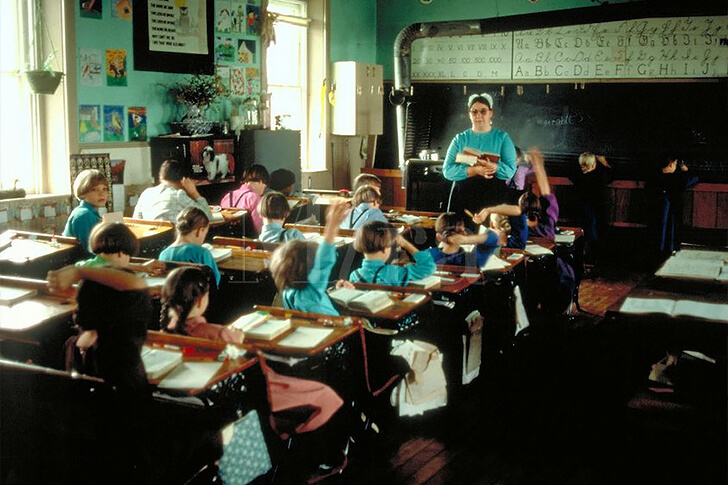
In these communities, formal school typically ends after eighth grade. After basics, focus shifts from worksheets to hands-on know-how that keeps daily life running. Teens start practical trades early, like farming, carpentry, or baking. While peers fill out college applications, they've built skills and confidence for self-sufficiency.
Meanwhile, others face tuition bills and hope degrees pay off. They choose a different path: learn useful skills, work, and save. No student loans, overpriced textbooks, or waiting for “real life” to begin. For them, it starts immediately with on-the-job education.
Old-School Hangouts, the Amish Way
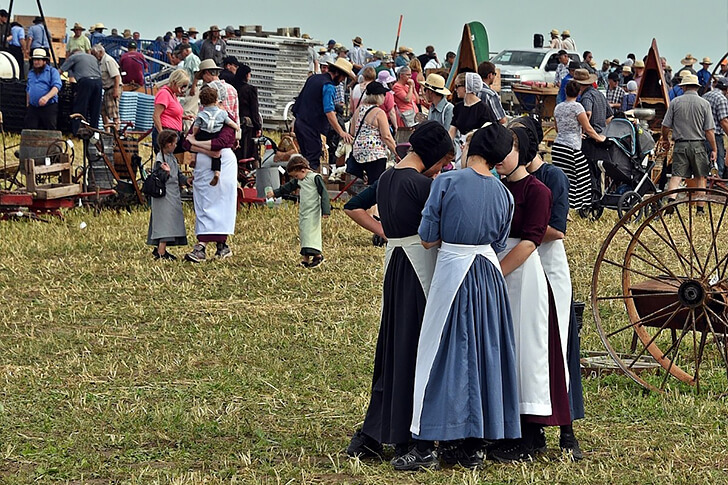
Picture a day with zero pings, no doomscrolling, and nobody half-listening while staring at a screen. In Amish communities, that’s not a detox, it’s just Tuesday. Social life happens in person, around shared work like quilting bees and barn raisings, where everyone helps and truly talks. It mirrors a potluck vibe, minus rented halls or pricey centerpieces. The point is simple: show up, help out, and enjoy the company.
What makes these gatherings smart is their practicality. Instead of outsourcing, neighbors pool time, tools, and skills. That's cost-effective and strengthens relationships through real reliance. The fun is working side by side, swapping stories, and checking in. It’s a reminder that staying close doesn’t need a big budget, just a reason to gather.
Honeymoons Here Mean Knocking on Doors, Not Catching Flights

In these communities, a honeymoon doesn’t mean a beach resort. Instead, after the wedding, the couple goes on a “visiting tour”—friendly house calls to relatives and friends. They share their newlywed glow, receive congratulations, and pick up practical gifts. It’s a chance to strengthen ties without the expense of travel. The focus is social, investing in relationships that will support them later. This simple, budget-friendly tradition sets the tone: marriage is about building a life with community, not luxury trips.
No Obesity Here, Thanks

Why pay for a gym membership when your day is basically cross training? In this community, obesity is rare, not due to counting macros or fitness trends. It’s the routine. They stay busy with farming, carpentry, and raising barns the old-school way. The University of Maryland Medical Center notes lower obesity, diabetes, and hypertension rates here than in average Americans.
All that steady movement does more than keep waistlines in check; it supports a longer, healthier life. And the savings add up fast. Fewer doctor visits, fewer prescriptions, and no pricey gym contracts prove a simpler, more active lifestyle can pay off for both your body and wallet.
Three Tongues, One Tight-Knit Community

The Amish seamlessly switch between Pennsylvania Dutch, High German, and English. At home, Pennsylvania Dutch keeps traditions alive among families and friends, facilitating intimate connections and passing down folklore and histories. In church services, High German adds formality to worship, solemnizing ceremonies, and creating a shared religious identity that transcends individual preferences. English handles business interactions and outside communication. Each language serves a distinct purpose, allowing the community to navigate daily life adeptly. This linguistic versatility maintains cultural integrity efficiently, fostering strong community bonds without incurring extra costs for classes or translations, ensuring everyone remains interconnected.
No Rulebook, Still Rules: Say Hello to the Ordnung

No downloads, no “version 2.0,” no committee edits, just the Ordnung. In Amish life, it’s the time-honored, unwritten guide that informs daily existence. It's about modest attire, minimal tech, and prioritizing family and community over personal flair. Instead of being documented, it’s passed down like a tradition you embrace by living, not reading.
Consider it a shared compass for what to skip, keep, and how to remain grounded amid modern chaos. It decides which gadgets to avoid, why simplicity counts, and places community before trends. It also offers practicality: fewer devices mean fewer costly upgrades, repairs, and subscriptions. The Ordnung ensures a steady, affordable life while preserving culture and values.
Cross the Line? Here’s What Meidung Looks Like

Break the rules in this community and you do not just get a quick scolding, you get Meidung, better known as shunning. If someone steps outside the Ordnung, the response is social distance, Amish-style. That means no meals together, buying, or small talk. It’s a silent treatment: respect standards or lose essential social connections.
The point is not revenge. Meidung encourages reflection and a return. By defining shared expectations, the community protects order and unity, reminding all that belonging comes with responsibilities. In a tight-knit group, this structure helps maintain harmony.
Plain Clothes, Serious Savings
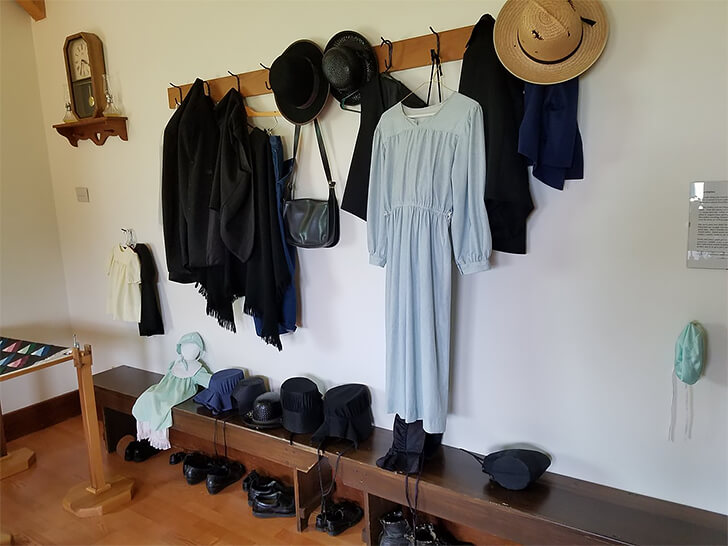
For the Amish, fashion isn't about trends; it's about simplicity. Solid colors, long sleeves, and no flashy logos define their attire. The clothes are modest, practical, and often handmade, avoiding designer markup. Sturdy fabrics and classic cuts prevent the need for seasonal changes, keeping fast fashion at bay.
The result? No frequent closet overhauls, impulse buys, or panic over new looks. A wardrobe built on lasting essentials keeps shopping rare and spending predictable. It's wallet-friendly, stress-free, and less wasteful—an approach minimalists would admire.
Masters of Making Every Dollar Count
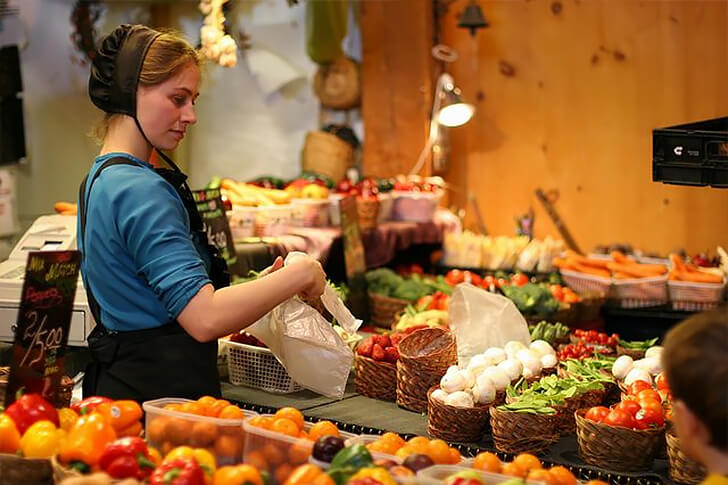
While a lot of the world is busy swiping, financing, and stacking up debt, there’s a community that quietly tucks away 20% of their income. Their strategy: avoid debt, buy what is needed, and choose secondhand when possible. In “Money Secrets of the Amish,” Lorilee Craker highlights their patience in waiting for wants and maximizing the lifespan of possessions.
There’s no trendy splurging here, just steady, old-school saving. By thinking long-term and leaning on community, they achieve real financial stability. Mindful spending and practical choices lead to savings without fancy budgets or investment tricks. The big secret is consistency, buying less, and making things last.
Vintage Know-How, Today’s Grind
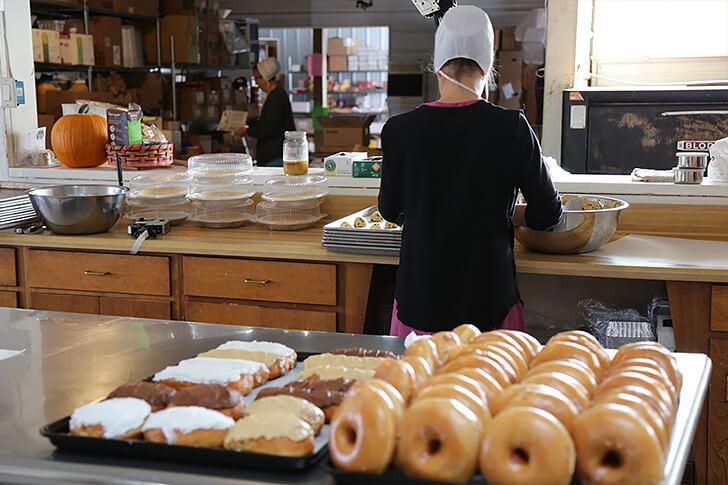
If you picture Amish life as nothing but plows, barns, and endless rows of corn, it’s time for a reset. Farming matters, but the real story is their multiple skills. They’re talented carpenters, bakers, and sharp business owners selling everything from fresh pies to furniture. Need a crew for a construction job? They handle that too, sometimes even beyond their community.
Their work stays low-tech, yet their skills are far from basic. They embrace practical trades without reliance on loans or expensive gear. By focusing on hands-on training and timeless tools, they avoid the costs of formal schooling. The payoff is steady income, little debt, and fulfilling work (no suit required).
Shop Smart, Thrift More

In this world, “going shopping” usually means swinging by the closest thrift store. A good deal is the point, especially for clothes. Second-hand finds line up with values like modesty and practicality. You get solid quality without the sticker shock. When something gets too worn, it’s repurposed as an apron or quilt square.
The mindset is simple: stretch every dollar. Keeping fashion frugal helps cut down on clutter and waste. A thrifted closet isn’t just kinder to your budget; it’s a smart move for living more sustainably, one well-loved piece at a time.
Buy in Bulk, Spend a Lot Less
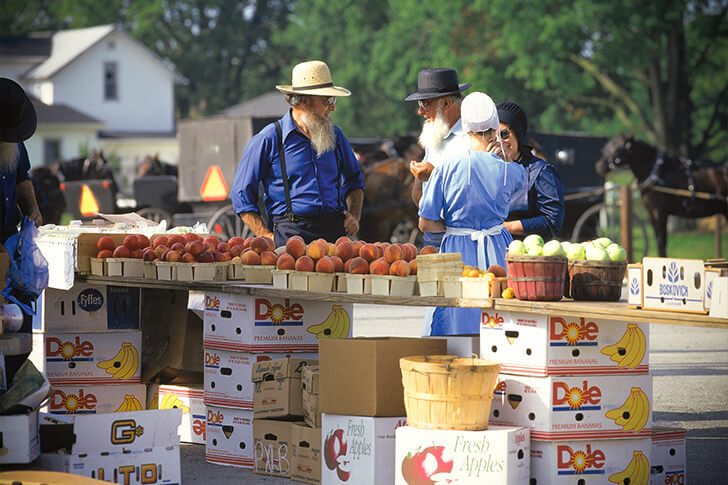
If anyone has bulk buying down to a science, it’s the Amish. Big households and fewer trips into town mean they plan ahead and buy basics like flour and grains in serious quantities. This isn’t just about saving time; buying more often lowers the price per pound, reducing the total bill without skipping essentials.
Stocking up keeps the kitchen ready for weeks. Plus, it means less packaging waste, making it both budget-friendly and greener, a solid approach for spending and wasting less.
Amish Romance, No Fancy Price Tag

The Amish take on marriage feels refreshing. Young adults in their late teens often engage in a phase to meet people and figure out what really matters. Dating is about aligning values and fitting into community life. Couples spend time together in simple, wholesome ways where conversation is key. When it’s the right match, weddings focus on people, not purchases.
Weddings are usually practical and familiar, with meals made by family and neighbors. The focus is on commitment, not a show. Keeping it straightforward keeps costs low, allowing couples to start married life without financial stress. It’s a reminder that real connection requires time, intention, and community.
Fresh Off the Farm, Right to the Plate
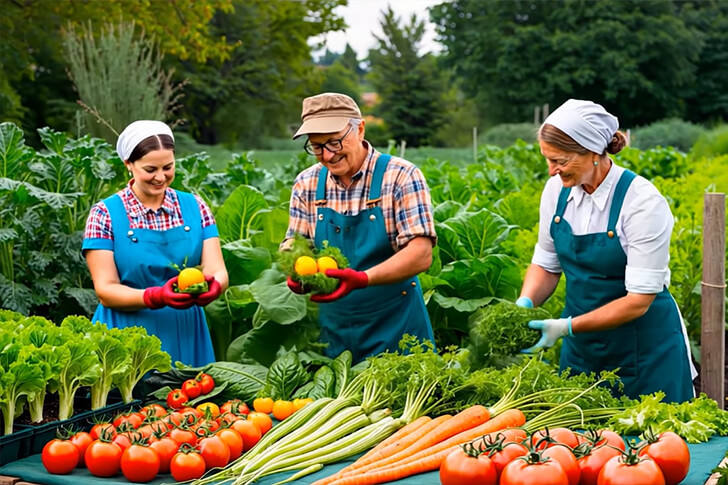
Out here, the big “health hack” isn’t a fancy supplement or a trendy diet, it’s dirt. Since supermarkets aren’t part of the routine, meals start in the backyard garden. Produce is eaten at peak freshness, not after a long trip or a week on a shelf. Lorilee Craker notes that homegrown fruits and vegetables keep people feeling strong and energized.
It's practical and frugal. Growing what you eat cuts the grocery bill and ensures you know what's in your food. Harvesting dinner nudges you toward simple, nutrient-rich meals because ingredients are right there. This habit is a compelling lesson in sustainable living.
Cutting Costs, One Barn-Raising at a Time
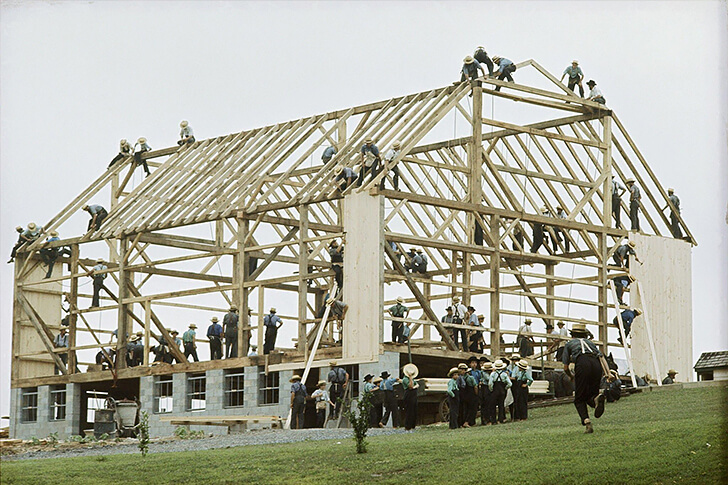
In this community, a barn-raising is a social event with sawdust. When someone needs a new barn, a crew appears at sunrise: neighbors, relatives, friends, ready to work. No fancy equipment, no paid contractors—just simple tools, shared expertise, and teamwork. Food is often involved; people work better with home-baked goods.
By sunset, a barn stands, costing far less than a typical build. With no labor bills or surprise fees, the savings are huge. More importantly, it's based on cooperation, not cash. It's smart DIY: shared effort, shared pride, and a barn that feels like a group achievement, strengthening relationships along with beams.
Photographic Memory? They Make It Look Easy

The Amish have an impressive memory, no calendar alerts or sticky notes everywhere. Using fewer books and less tech, they train to retain important things. Prayers, stories, and community rules are memorized and shared traditionally. In a world where many forget their tabs, such focus is remarkable.
This skill is cost-effective. Without reliance on expensive books or gadgets, you don't spend on them. Instead, invest in a skill needing no charge or update. Their memory-centered approach supports self-sufficiency and demonstrates that a well-trained mind is an excellent money-saving "tool."
Debt-Free, and Honestly, It Feels Great
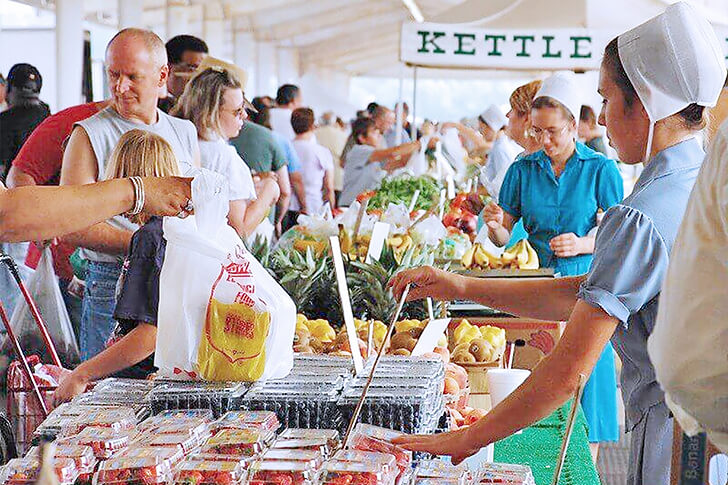
While many tread water in credit card debt, the Amish sidestep the mess by using cash. With no credit cards, they avoid interest and late fees, maintaining about $6,501 less in debt than the average American household. This choice leads to a calm, predictable financial life. No juggling payments or watching balances grow—debt becomes hard to fall into. By prioritizing needs over wants, they remind us that saving first and spending wisely offers true financial freedom.
Making Everyday Meals Feel Like Magic
In an Amish kitchen, leftovers become culinary stars. Last night’s roast morphs into stew; extra veggies become casseroles. This alchemy respects effort, turning scraps into meals and honoring work from field to table. Use what you have to reduce waste and costs without fancy gadgets. Lower your grocery bill with creative planning, transforming near-waste into savings.
For culinary magic, follow Jamie’s creative lead. He transforms ordinary ingredients with imagination and flair, ensuring every meal is a celebration. By adopting this method, you can make dining a delightful experience, infusing everyday cooking with a special touch of magic. Gather your pantry staples and enchant your taste buds!
Short on Cash? Trade Instead
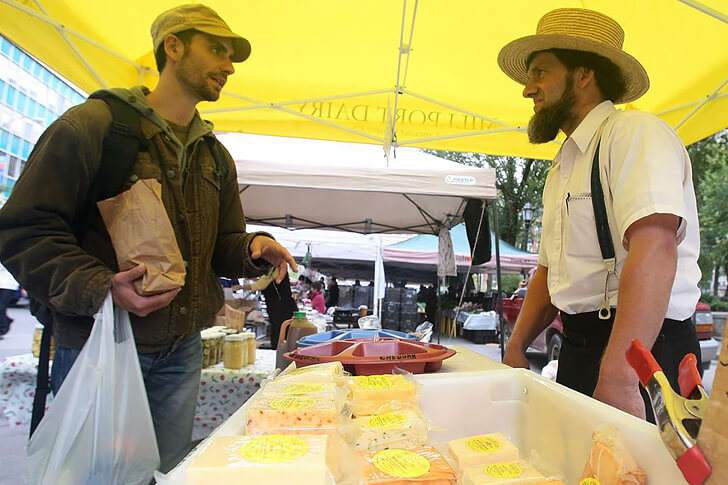
When the Amish need something, credit cards aren’t their go-to. They prefer swapping and trading. Bartering turns “I need this” into “what can I offer?” Fresh veggies might be traded for fence repairs or homemade goods. Worth isn’t just a dollar sign; it’s the time, materials, and fairness involved.
Trading is more than saving money; it strengthens community ties, reduces waste, and decreases dependency on cash. If you’re rethinking your spending, remember that value isn’t always dollars. Bartering can extend budgets, reduce clutter, and foster human exchanges.
Why the Amish Skip the Mustache

In Amish communities, facial hair is a life milestone. Once married, a man grows a beard to signal he is a husband and adult. The mustache, though, has historical ties to soldiers and military culture, especially in the 17th century. As committed pacifists, they avoided anything hinting at military identity, including hair on the upper lip.
The beard is a badge of marriage, while the mustache remains off-limits, reflecting humility, modesty, and separation from worldly symbols of power. Their values appear everywhere, even in the mirror and above the lip.
How Generosity Holds Their Community Together
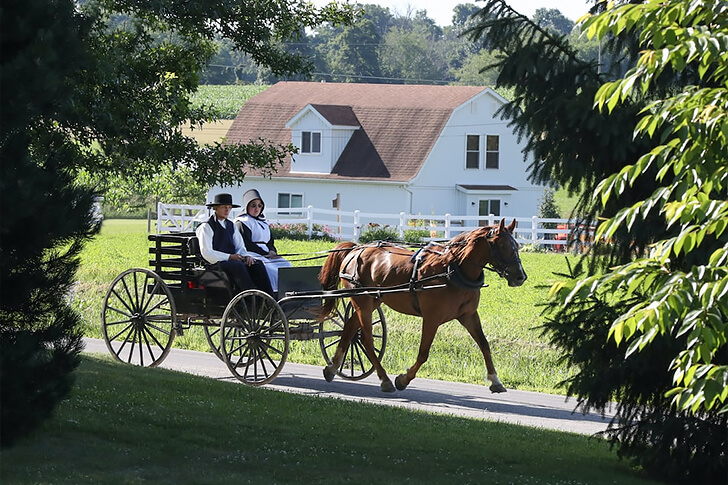
In their world, looking out for each other is the default setting. Wealthier members often step in with low-interest loans to help a neighbor buy land, start a business, or replace equipment, ensuring nobody gets left behind. This pay-it-forward mindset keeps the community financially sturdy and independent. Support is built into everyday life, reducing reliance on big banks or outside systems and pooling resources to strengthen trust. It’s a reminder that helping others isn't just kind, but also smart money.
Amish-Style Toys: Simple, Clever, and Easy on Your Wallet
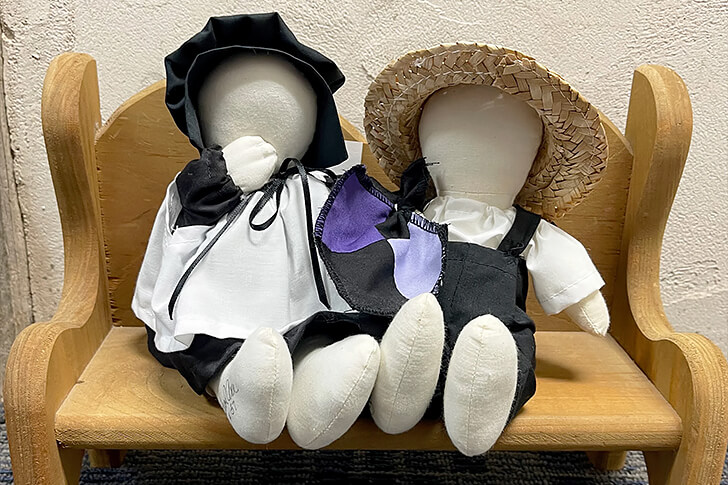
Who says a toy needs to blink, beep, or connect to Wi-Fi to be fun? Amish families stick with classics like sturdy wooden blocks, simple pull toys, and faceless dolls. These toys spark imagination, encouraging stories, games, and characters. Made to last, they don't end up in the trash after a week and can be passed down. Faceless dolls symbolize humility and simplicity, letting kids decide their character each day. This approach focuses on durability and value—reminding us that the best toys don’t break easily or drain budgets.
How the Amish Turn Simple Fun Into the Best Kind of Entertainment
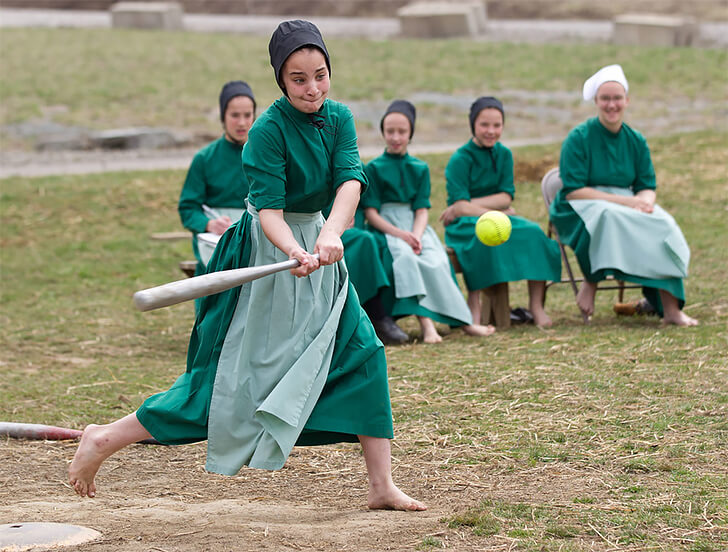
In Amish communities, fun doesn’t require swiping a card. There are no costly parks or endless subscriptions. Entertainment is refreshingly simple: softball games, fishing trips, or picnics. Social gatherings are highlighted by shared efforts, with everyone bringing homemade food, trading stories, and enjoying the moment.
Even team sports like volleyball focus on connecting rather than showing off. Friendly competition serves as a chance to bond. No gadgets needed, just open space, willing players, and a positive mood. It’s a solid reminder that the best entertainment is often about people. Good company, fresh air, and simple games create lasting memories.
Amish Living, Minus the Nine Digits (Most of the Time)
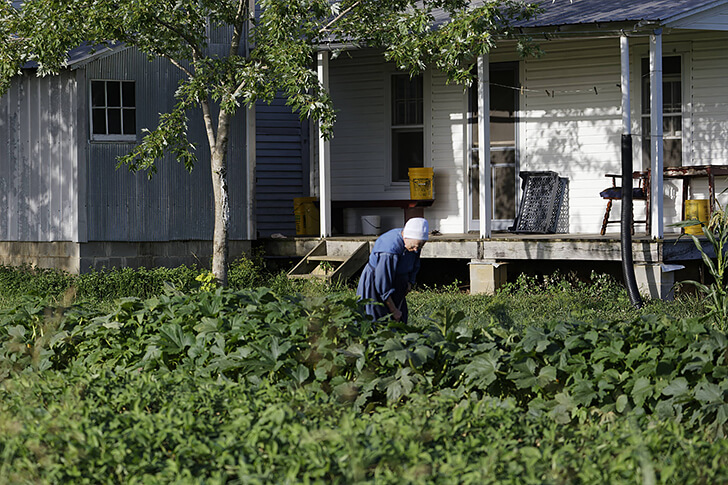
For the Amish community, having a Social Security number is frequently considered optional because of specific religious exemptions from contributing to Social Security and Medicare systems. Nonetheless, there are practical scenarios where these numbers might still be essential, such as when dealing with banks, employment agencies, or in various formal documentation requirements. The Internal Revenue Service provides Form 4029, which allows individuals in this community to formally opt out of paying Social Security taxes while retaining a Social Security number for any necessary practical applications. This delicate compromise allows them to uphold their traditional lifestyle without unnecessary modern entanglements. Therefore, while many choose to forgo obtaining a Social Security number, some members of the Amish do acquire them when it becomes indispensable to do so.
Handing Down Wealth, Not Headaches

When you think long-haul investing and practical spending, you’re basically describing the Amish playbook. It's about investing in things that keep paying off. Family farms, small businesses, and teachable skills get treated like treasures. The goal: ensure every dollar ties to something useful, durable, and worth passing along.
They focus on living debt-free and building investments that outlive a lifetime. Success isn't about luxuries but about steady wealth that strengthens the community. The lesson: spend less on what's fleeting, and invest more in assets, work, and habits that support your family for years.
Real Wealth, Zero Wall Street Drama
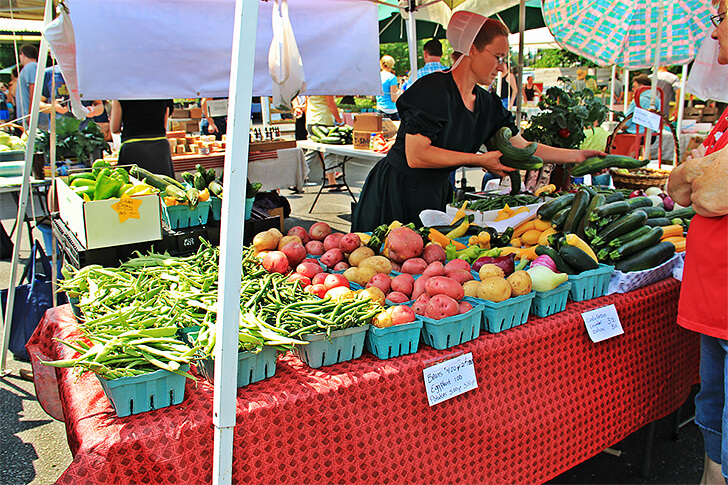
For them, investing isn’t about chasing tips or outsmarting the market, but about the basics: land, family shops, solid tools, and practical assets. No dicey stock bets or day-trading adrenaline. Their money goes into useful things like farmland or equipment for businesses. By sticking with tangibles, they avoid the mood swings and crashes of financial markets.
The payoff is steadier, more durable wealth that supports households and communities. Instead of Wall Street’s rollercoaster, they build a foundation to maintain, improve, and pass on. Learn practical skills, buy what you understand, and keep finances close to real life. If you’re tired of “invest like a genius” noise, this approach may help aim for long-term security.
Amish Gift-Giving: Low-Key, Practical, and Full of Heart
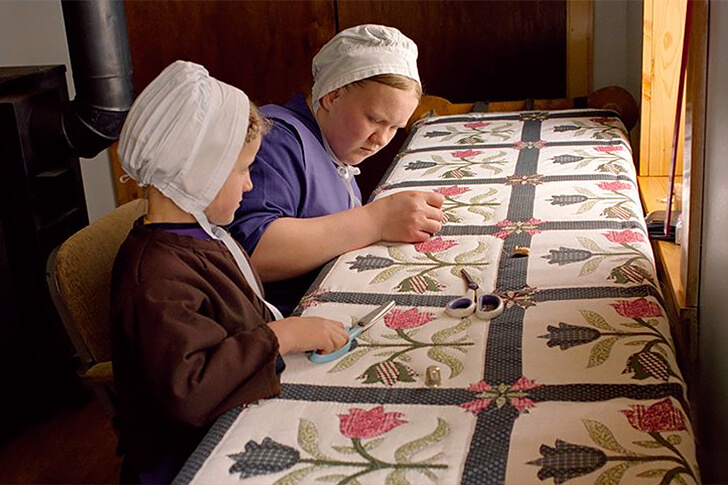
In Amish communities, gifts are personal and practical, often homemade. Hand-sewn clothing, warm quilts, or jars of jam are common. The focus is on items that help, last, and reflect individuality. This approach makes gift-giving meaningful, often easier on the wallet. Emphasizing usefulness and craftsmanship reduces the pressure to spend big. The essence of these gifts is in the time, effort, and attention invested, reminding us that memorable presents don't need a price tag, just creativity and heart.
There’s a Reason Everyone Pitches In
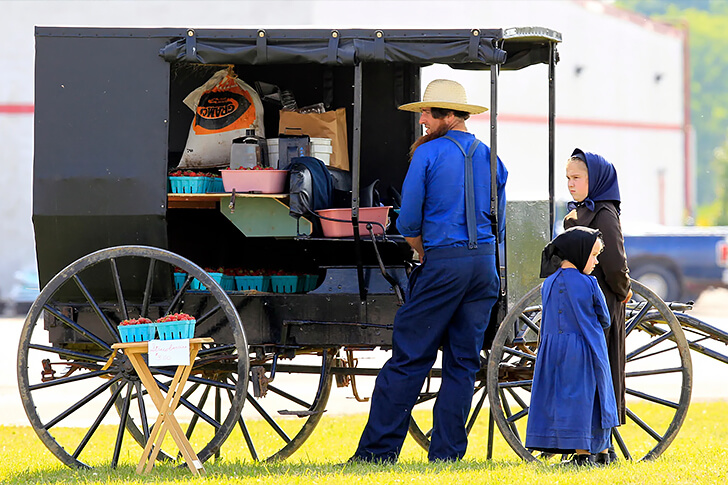
In some families, everyone helps keep the household running, even the teenagers. A summer job isn’t a personal shopping budget; it’s like joining the team. Teens may hand over a big chunk of earnings, up to 80%, to parents. It sounds intense, but it’s framed as a family tradition, not a punishment. The goal is simple: learn responsibility early and build habits for the future.
The money doesn’t disappear into a black hole. Parents often save it to help kids later, like a home down payment, a small business launch, or other big “adult life” costs. It’s practical, a little old-school, and surprisingly smart. Pooling resources can create real stability and teach saving without a lecture.
Zero Pings, Zero Problem
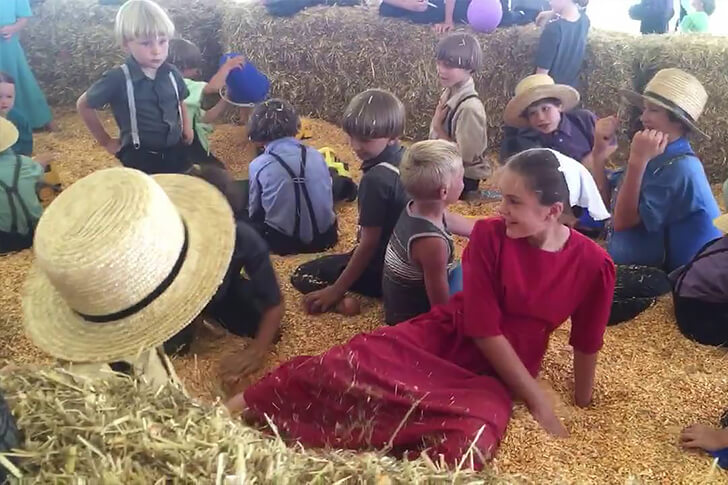
Most reach for phones before even sitting up. The Amish, meanwhile, keep it low tech, focused on simplicity and those around them. A cell phone may be used for work or emergencies, but that's all. No scrolling, selfies, or buzzing chats, just quiet purpose.
Writer Craker notes cutting gadgets keeps them centered on relationships and work, away from digital noise. It’s calmer and cheaper—no phones to replace or data plans. They remind us real connection doesn't need Wi-Fi, and the best talks are free.
A Practical Plan for Bouncing Back From Debt

When expenses creep past income, the actor’s first move isn’t a new loan. Instead of borrowing, they pick up extra work, like crafting on nights and weekends or taking on seasonal jobs. The goal is simple: use what they can do to create more income, then direct that money at debt.
It’s not glamorous, but it works. Fixing furniture, mending items, selling fresh-baked goods—each small job becomes a payment without added interest. Choosing effort over easy credit helps avoid the borrow, repay, repeat loop. A few extra hours and balanced spending aid their climb out. Skills and sweat prove as valuable as cash.
How Amish Small Businesses Manage to Beat the Odds
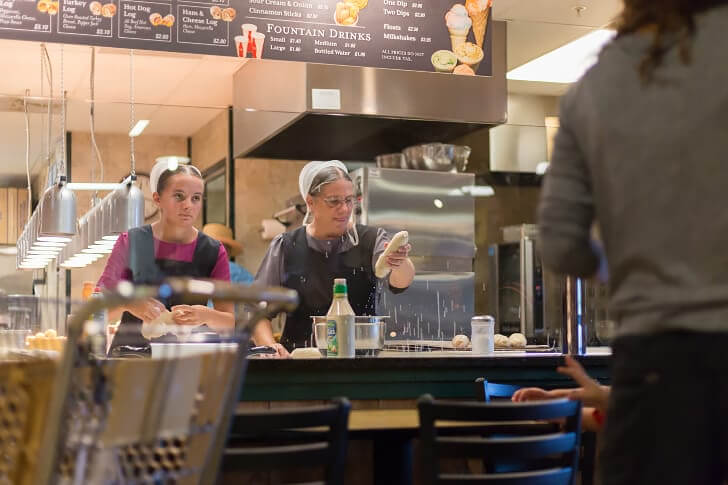
Some of the sharpest entrepreneurs in America might be those in bonnets and straw hats. More than 90% of their businesses survive after five years. The “secret” is well-built furniture, honest work, and self-selling baked goods. Instead of trendy apps or hype, they focus on stable craftsmanship and a supportive community.
They stay lean on purpose. Family helps, overhead is low, and materials are simple. Avoiding fast growth, they focus on stability and repeat customers. Their reputation promotes them more than expensive marketing. Consistent work builds word of mouth, trust, and loyalty. A reminder that living within means and quality over speed works.
Why Amish Households Keep Chores In-House
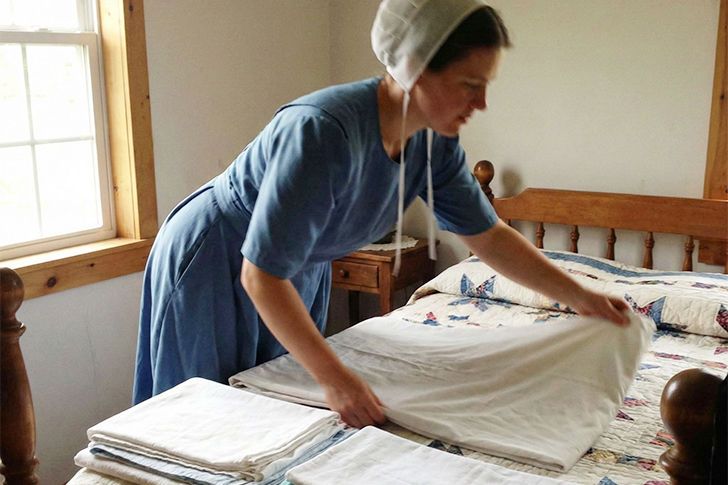
In Amish homes, chores are a staple. Everyone participates, from young kids to elders, with roles tailored to age and ability for smooth operations. A child might sweep, gather eggs, or do dishes. This routine keeps the household running harmoniously. The focus isn't on cleaning services or gadgets but on cooperation and responsibility, which reduces costs and enhances family unity. Shared chores foster togetherness and ensure everyone contributes, grounding the home in practicality and connection.
To Them, We’re All “English”
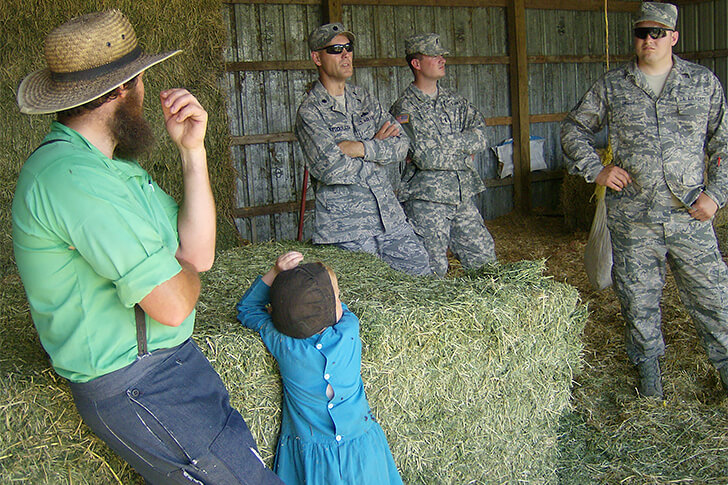
In their world, anyone outside the community is simply labeled “English.” This practice has roots in colonial times, when language and culture were key dividers. The Amish, though private, are generally welcoming to outsiders who display good manners and respect for customs. Known for their quiet demeanor, they might offer a smile or answer questions when approached politely. Families often welcome respectful visitors at shops and markets, showing that while they uphold traditions, there's no grudge against “the English” with mutual respect.
Minimalism Done Right

These weddings keep it simple, with family and faith doing the heavy lifting. Forget destination venues and runway gowns; the bride makes her own dress, often in practical shades like blue or purple. Ceremonies are at home, with relatives and friends packed in close. It’s warm, personal, grounded—more like a big family gathering. Everything points back to what matters: two people committing, supported by community.
The reception skips the usual wedding industry checklist. No towering cake or flashy extras, just a homemade meal—think roast chicken, fresh bread, pies. No hired photographer, no pricey decor, keeping the budget low while staying focused on togetherness. Honestly, it’s frugal in the best way, and modern couples could steal a few ideas.